
Liberia sacks officials after record cocaine seizures
Roberts International Airport becomes the bottleneck in West Africa’s Europe-bound transit trade, dismissals arrive faster than convictions
Images
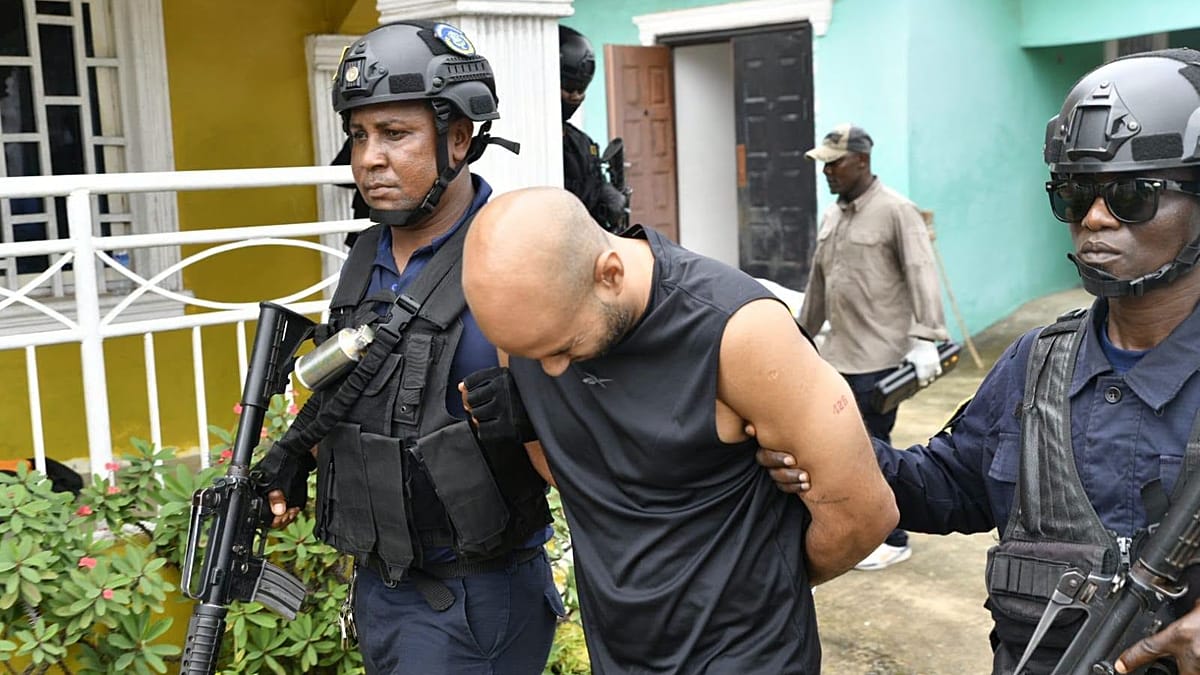 Liberia sacks officials after record cocaine busts worth $336 million
euronews.com
Liberia sacks officials after record cocaine busts worth $336 million
euronews.com
Liberian President Joseph Boakai has dismissed a dozen government officials after two major cocaine seizures at Roberts International Airport, according to Euronews. The June find was hidden in commercial cargo, including packages described as Maggi seasoning cubes; in July, authorities seized nearly four tonnes of cocaine near the airport. The government has also referred additional officials for investigation, with airport operations staff and senior law enforcement supervisors among those removed.
The numbers are large enough to turn an airport into a political problem. West Africa has long served as a transit corridor for cocaine bound for Europe, and a single chokepoint like an international airport concentrates both profit and risk: whoever controls access to cargo areas, manifests, scanners, and security rosters can make shipments glide through—or make them disappear into evidence rooms. Euronews reports that the dismissals include the airport’s deputy director for operations and senior supervisors tied to criminal investigation, intelligence, Interpol, and the National Security Agency, a sweep that suggests investigators believe facilitation was not limited to low-level employees.
The state’s response also highlights a common pattern in anti-trafficking drives: the public sees seizures and assumes enforcement capacity is improving, while traffickers treat seizures as a cost of doing business and adjust routes and payoffs. Boakai’s order ties employment consequences to indictments—officials “indicted” in connection with the seizures were dismissed—creating an incentive for agencies to show prosecutions rather than simply announce record hauls. At the same time, removing staff does not answer how the shipments entered secured areas in the first place, or which controls failed: cargo screening, chain-of-custody, or the discretion of supervisors who decide what gets inspected.
Public pressure is already part of the equation. Euronews notes that several hundred protesters demonstrated in Monrovia earlier in July demanding swift action and rapid charges, organised by a civic group called Stand. That kind of scrutiny can push governments toward visible personnel moves—dismissals, suspensions, referrals—because they are faster than court cases and easier to communicate than reforms to procurement, pay, and internal auditing.
Boakai’s office says the sackings followed a status report on narcotics trafficking investigations. For Liberia, the next test is not whether another shipment is intercepted, but whether the airport can run without treating every container as an opportunity for a cut.
In June the cocaine was concealed in ordinary cargo. In July, it was measured in tonnes.