
Italy suspends Schengen travel with Spain
Ceuta migrant surge triggers diplomatic clash and new passport checks, EU free movement narrows via ad hoc controls
Images
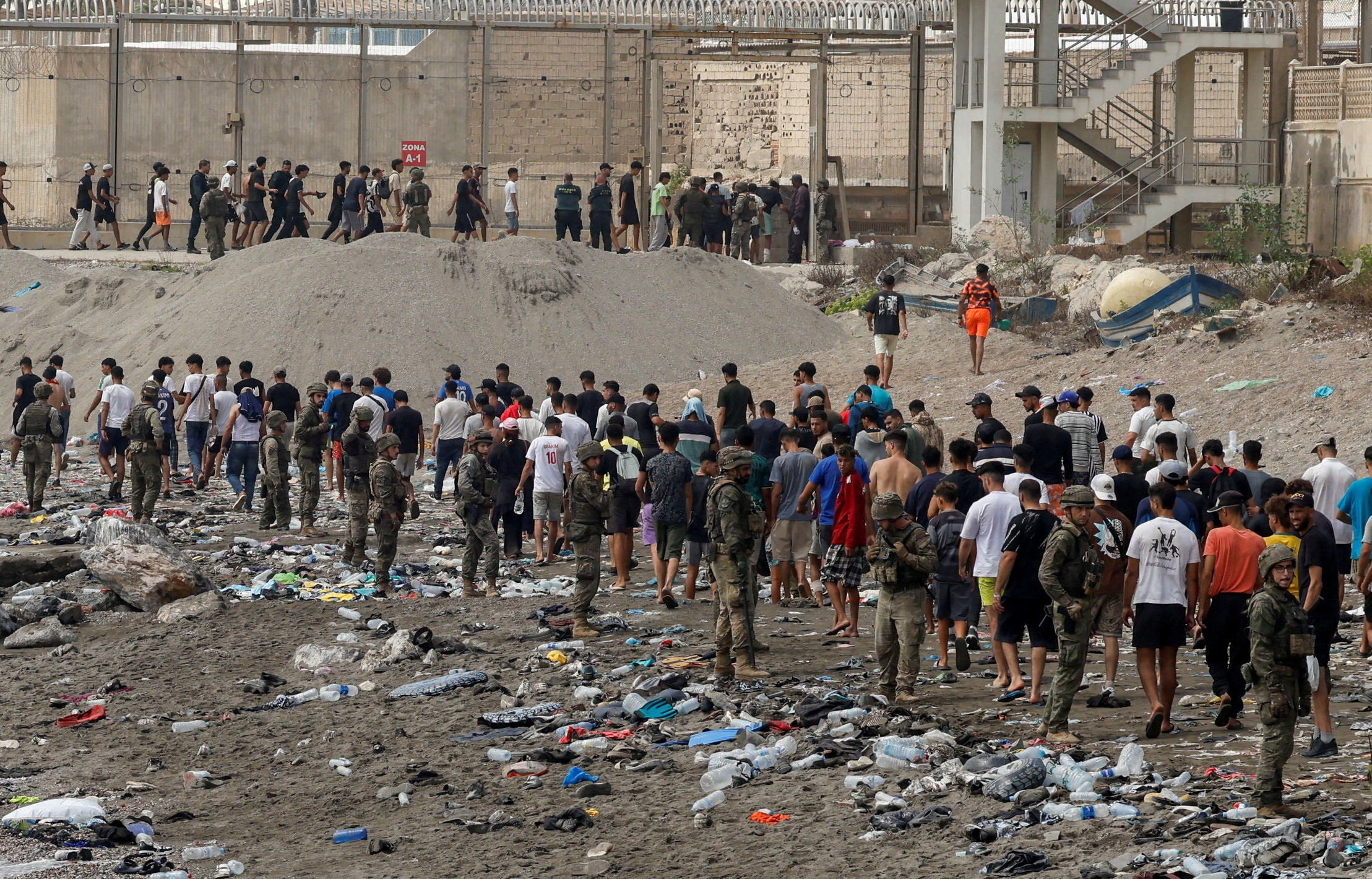 People walk towards the border with Morocco leaving Spain, amid mass crossings of migrants on foot and by sea from Morocco into Spanish territory, in Ceuta (Reuters)
Reuters
People walk towards the border with Morocco leaving Spain, amid mass crossings of migrants on foot and by sea from Morocco into Spanish territory, in Ceuta (Reuters)
Reuters
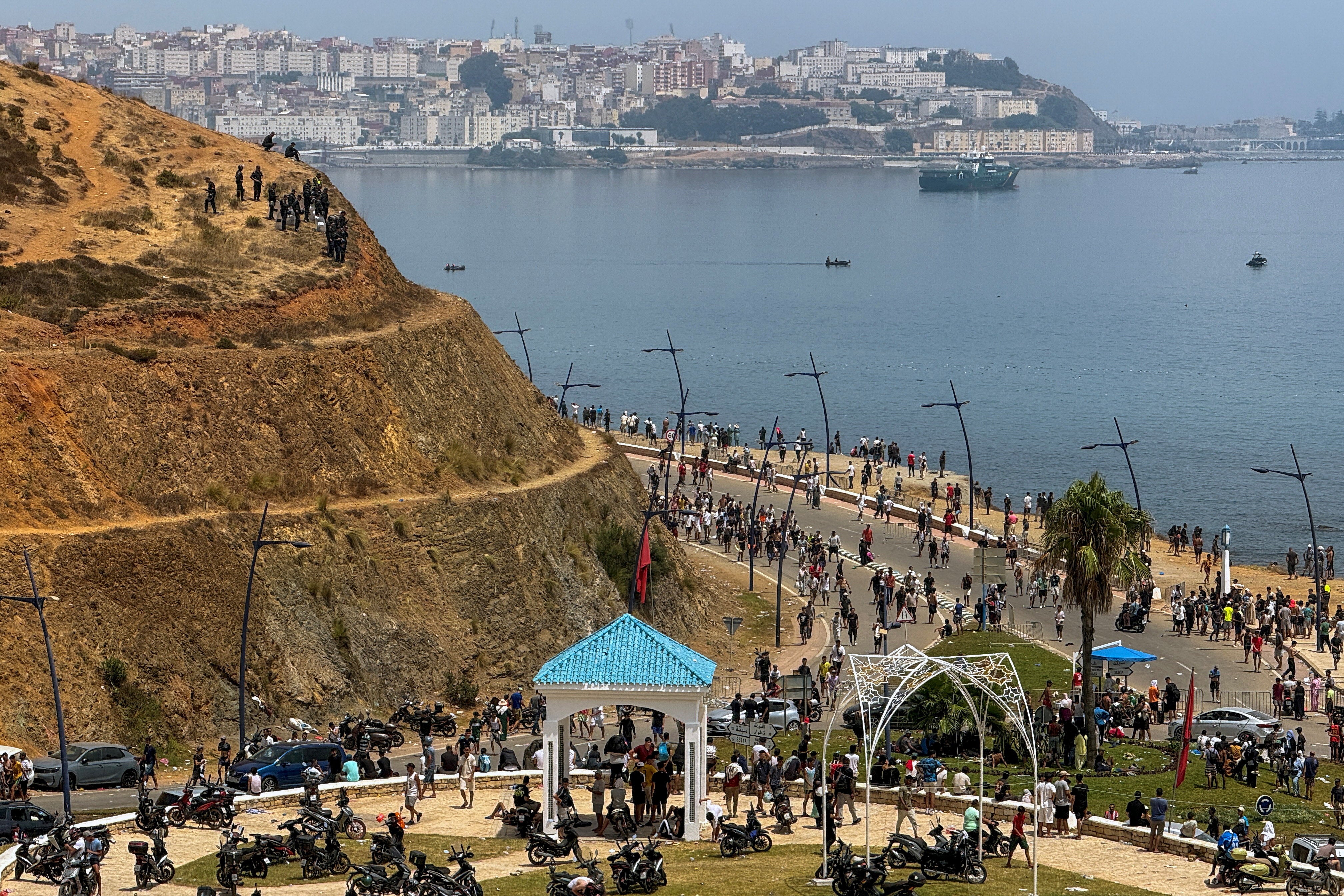 Migrants gather in Fnideq after crossing back from the Spanish enclave of Ceuta (Reuters)
Reuters
Migrants gather in Fnideq after crossing back from the Spanish enclave of Ceuta (Reuters)
Reuters
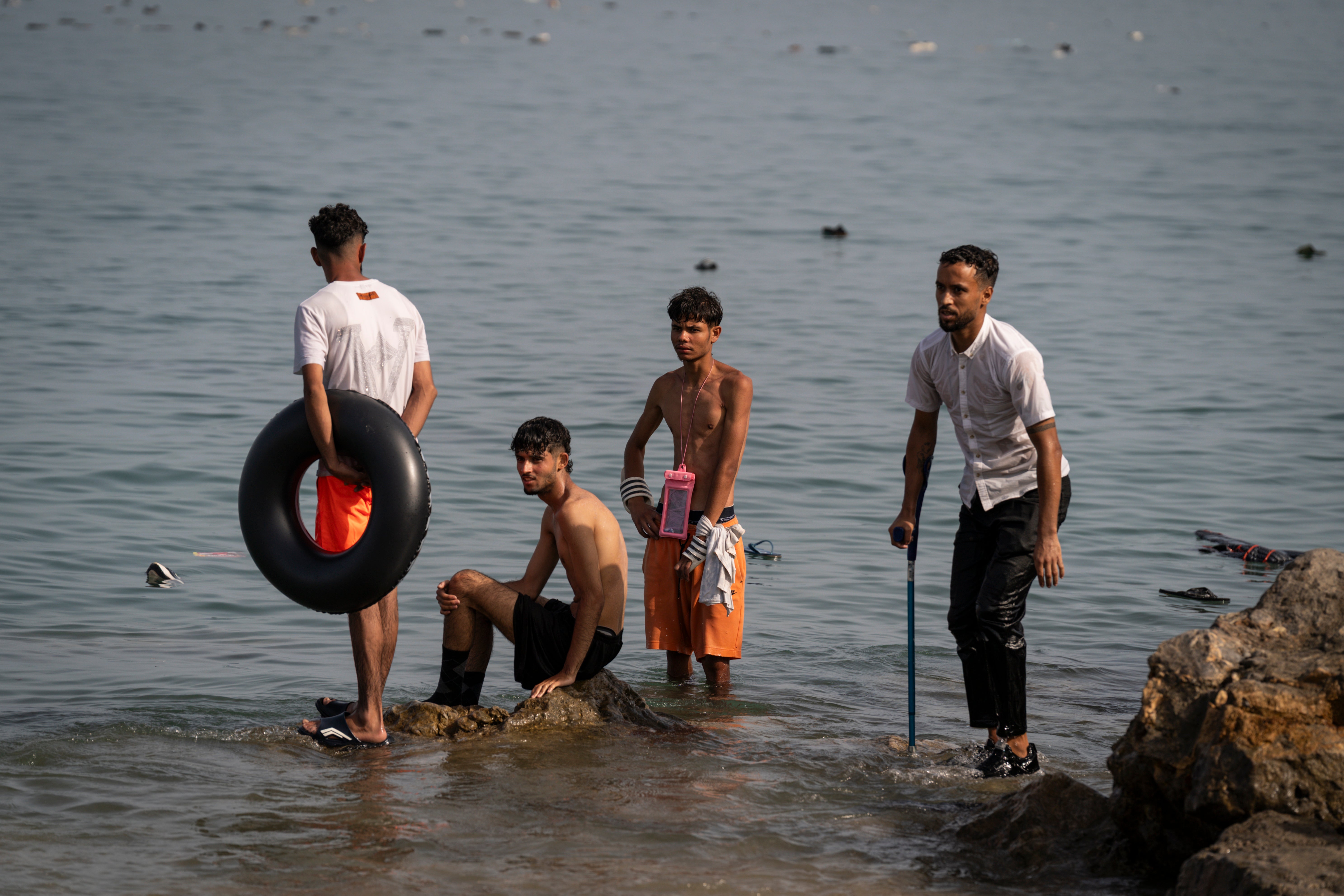 Migrants arrive on Tarajal beach after crossing the border between Spain and Morocco (Getty)
Getty
Migrants arrive on Tarajal beach after crossing the border between Spain and Morocco (Getty)
Getty
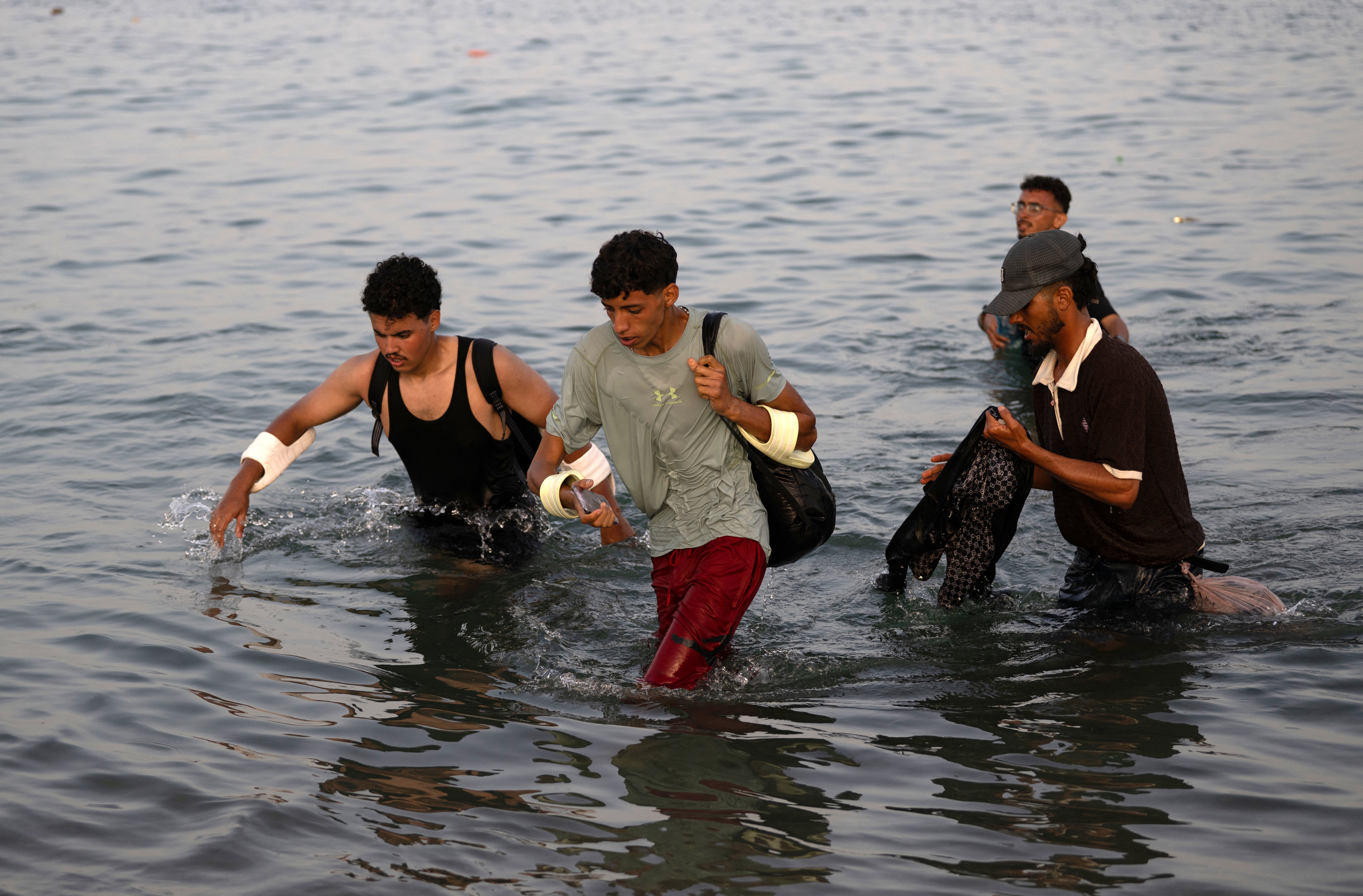 Migrants wade through the water near the border with Morocco as they attempt to enter Spain's North African enclave of Ceuta (AFP/Getty)
AFP/Getty
Migrants wade through the water near the border with Morocco as they attempt to enter Spain's North African enclave of Ceuta (AFP/Getty)
AFP/Getty
 (AFP/Getty)
AFP/Getty
(AFP/Getty)
AFP/Getty
Thousands of people have crossed from Morocco into Spain’s North African enclave of Ceuta in recent days, prompting Madrid to deploy military and police reinforcements, according to The Independent. Italy’s government has responded by suspending Schengen free-movement arrangements with Spain, a step that mainly means extra passport checks for travellers flying or sailing between the two countries.
According to The Independent, Italy’s interior ministry said it would strengthen controls with France along the Franco-Italian land border to prevent undocumented migrants from moving north. The same report says Italy does not share a land border with Spain, so the practical effect is less about stopping people at a frontier and more about making routine travel less routine. Prime Minister Giorgia Meloni framed the move as temporary and tied to national security, while Spain summoned the Italian ambassador and its foreign minister criticised what he called partisan rhetoric.
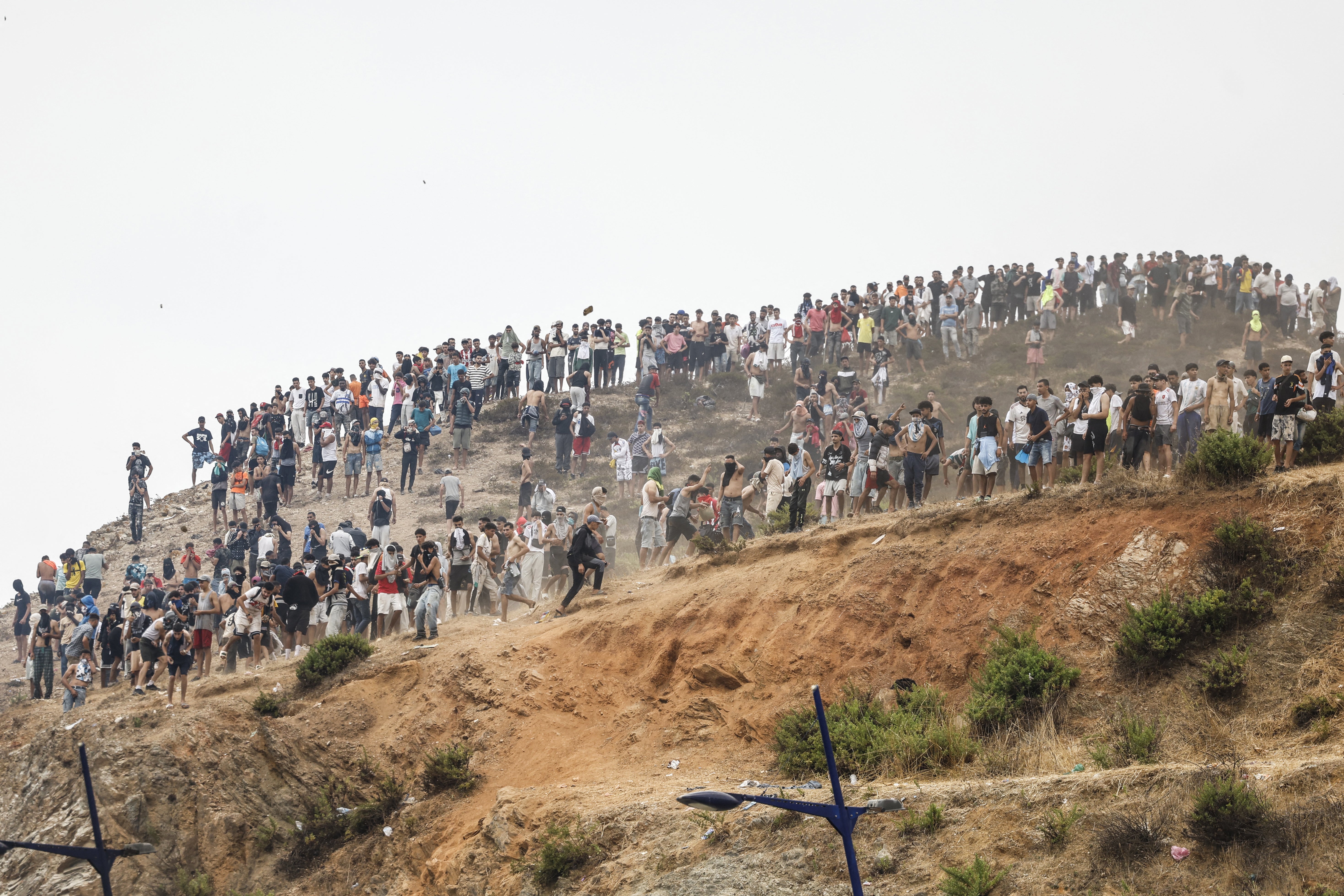
Ceuta and Melilla are the European Union’s only land borders with Africa, and their geography turns local surges into continental arguments. When large numbers arrive at once, the immediate costs sit with Spanish police, emergency services and the enclave’s limited infrastructure; the political costs spread quickly, because any onward movement becomes a shared European problem. The Independent describes chaotic scenes in the Moroccan border town of Fnideq, with people converging overnight, official crossings blocked, and migrants looking for coastal routes around fencing or preparing to swim.
The numbers in circulation are themselves part of the dispute. Spanish state broadcaster TVE put one day’s arrivals in the low thousands, while The Independent reports a much larger figure for the overall surge. The same article says at least 57 people died attempting the crossing, a toll that turns a border-management story into a humanitarian one and raises questions about what deterrence looks like when the route is a stampede or open water.
Italy’s decision also shows how quickly Schengen’s freedoms can be narrowed by member states acting unilaterally. Even when a measure is described as “extraordinary” and time-limited, it creates new frictions for ordinary travellers and businesses, while the underlying driver—pressure at a single external border—remains. The immediate levers available to governments are checks, controls and diplomatic signalling; the hard work is persuading Morocco to stop departures and persuading EU partners to share responsibility when departures continue.
Spain has troops on the ground in Ceuta, Morocco has deployed security forces including water cannon trucks in Fnideq, and Italy is checking passports on flights that used to be routine. The border is still in the same place.