
ICE arrests Johns Hopkins researcher at Baltimore airport
Data-sharing with TSA expands visa-overstay enforcement into domestic travel, university seeks legal access as DHS defends detention
Images
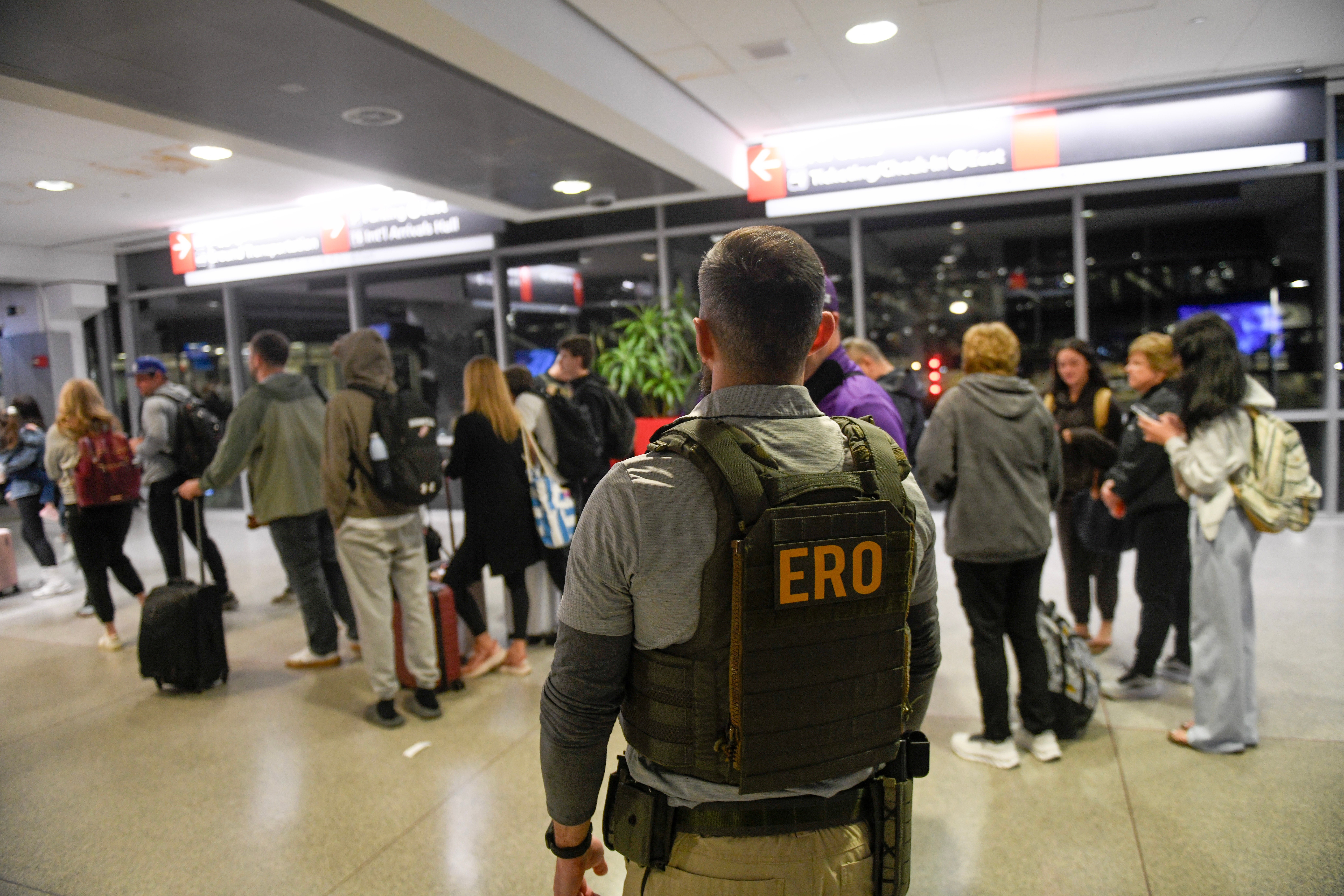 A public health researcher at Johns Hopkins University was arrested while boarding a domestic flight in Baltimore, the latest ICE arrest in apparent coordination with TSA (Getty)
Getty
A public health researcher at Johns Hopkins University was arrested while boarding a domestic flight in Baltimore, the latest ICE arrest in apparent coordination with TSA (Getty)
Getty
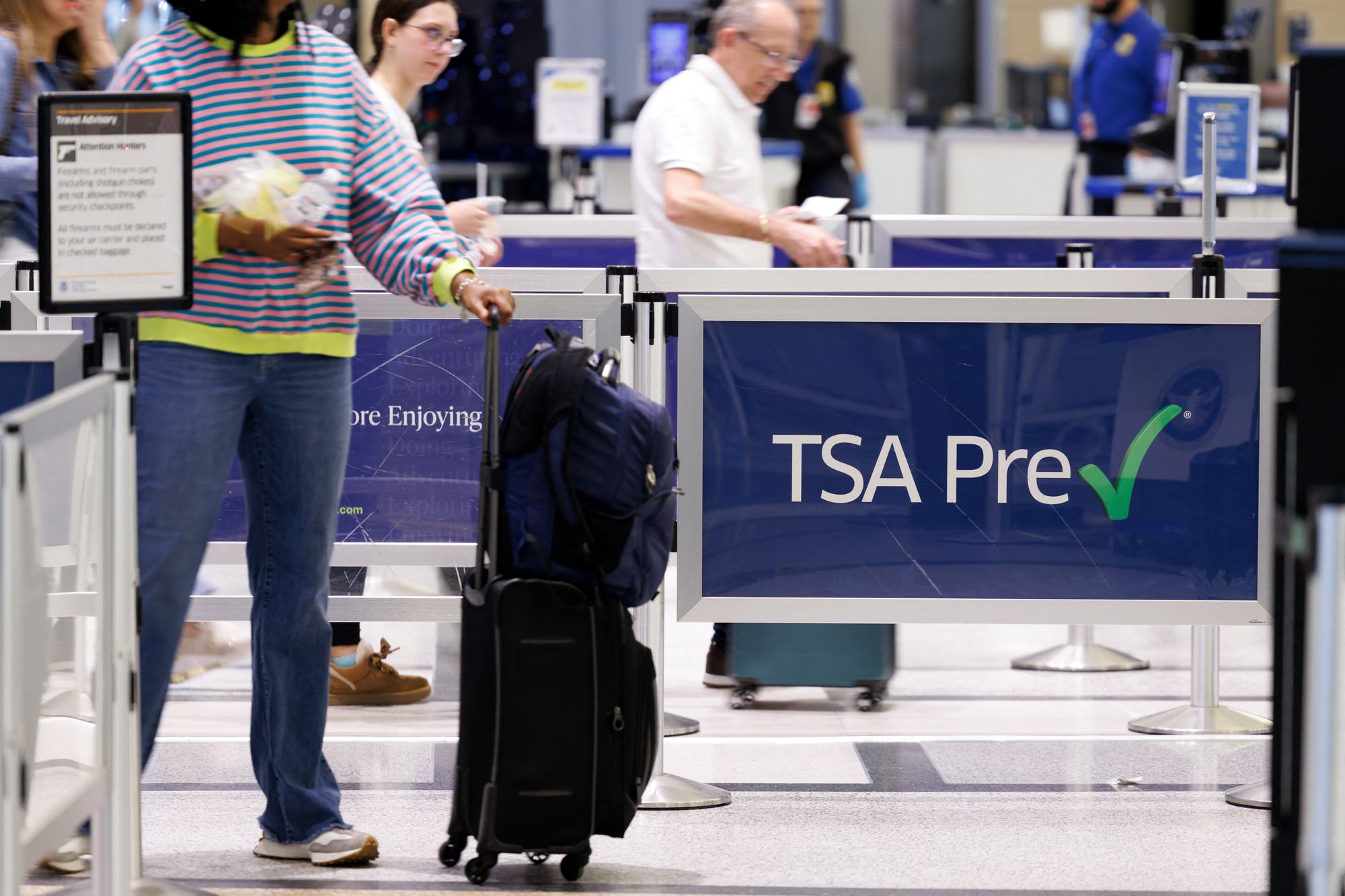 Newly released documents reveal an apparent data-sharing agreement between ICE and TSA to identify immigrants traveling in American airports who could be targets for removal from the country (AFP/Getty)
AFP/Getty
Newly released documents reveal an apparent data-sharing agreement between ICE and TSA to identify immigrants traveling in American airports who could be targets for removal from the country (AFP/Getty)
AFP/Getty
Federal immigration agents arrested Johns Hopkins public health researcher Fatima Ameaka while she was boarding a domestic flight at Baltimore-Washington International Thurgood Marshall Airport, according to The Independent, citing reporting by The Baltimore Banner. Ameaka, a senior analyst at the Bloomberg School of Public Health’s Center for Outbreak Response Innovation and a former Fulbright scholar from Cameroon, was taken into custody over an alleged visa overstay. She was later held at the South Louisiana ICE Processing Center, The Independent reported.
The arrest is being read by universities and civil-liberties groups as more than an individual case because it sits on top of a procedural change: tighter coordination between Immigration and Customs Enforcement and the Transportation Security Administration. The Independent reports that newly disclosed memorandums describe a data-sharing arrangement that gives ICE access to passenger information gathered for aviation security purposes, allowing officers to identify and arrest noncitizen travellers in airport terminals.
That kind of pipeline changes the risk calculus for anyone with unresolved immigration status questions, including people who are not trying to cross a border. Visa overstays can be mundane—renewal delays, paperwork while seeking permanent status—but the enforcement mechanism becomes immediate when travel itself turns into a screening point. The Independent says the Trump administration has prioritised arrest and removal in visa-overstay cases as part of an effort to deport 1 million people annually.
The reporting also highlights the gap between public testimony and internal practice. According to The Independent, watchdog group American Oversight obtained agreements showing ICE and TSA collaboration dating back to at least May 2025. The same story says the documents appear to contradict congressional testimony from acting TSA administrator Ha Nguyen McNeill about whether TSA sends information to ICE, with the memo describing information-sharing within the Department of Homeland Security.
Johns Hopkins said it was “deeply concerned” and that it was working to support Ameaka, including ensuring access to legal representation, The Independent reported. The Department of Homeland Security, meanwhile, said she entered the US on a visa valid until mid-2024, and a spokesperson offered a blunt line: “Being in detention is a choice.”
Ameaka was travelling in a personal capacity when she was arrested. The enforcement action still relied on aviation-security infrastructure built for an entirely different purpose.