
UN drafts Venezuela earthquake reconstruction plan
EU World Bank and regional lenders join needs assessment, financing question collides with sanctions and debt talks
Images
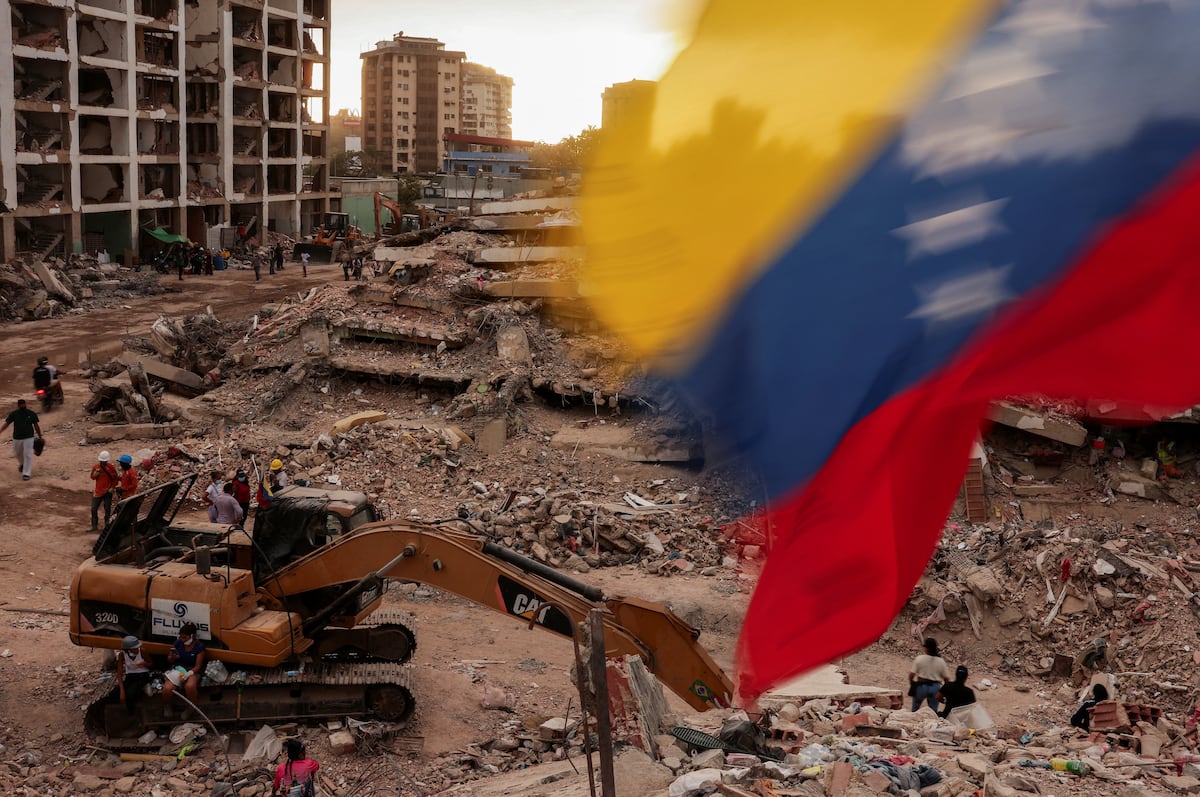 United Nations prepares Venezuela’s post-earthquake reconstruction plan
english.elpais.com
United Nations prepares Venezuela’s post-earthquake reconstruction plan
english.elpais.com
Working groups convened this week under a UN-led “Post-Disaster Needs Assessment” to draft a reconstruction roadmap for Venezuela after the June 24 earthquakes, with a plan expected by late September, according to El País. Interim Vice President Delcy Rodríguez launched the process at an official event, while UN agencies, the European Union, the World Bank and regional lenders including the Inter-American Development Bank and CAF are listed as participants.
The assessment is designed to quantify needs across seven affected states and to translate the disaster into projects donors and lenders can fund: housing, debris removal, and the restoration of basic services such as water and electricity. Those services were already unreliable across much of Venezuela before the quakes, and El País reports that about 600,000 people in the disaster zone required humanitarian assistance even before June. The UN’s broader picture is larger still: at the start of 2026, the UN Office for the Coordination of Humanitarian Affairs said 7.9 million people in Venezuela needed urgent help; after the earthquakes, that figure has climbed above nine million. The UN has added $299 million to its Humanitarian Response Plan to cover newly affected communities, but the reconstruction plan raises a harder question: who pays for rebuilding in a country where public accounts, infrastructure maintenance and credible reporting have all been strained for years.
Financing is the missing line item. El País notes that Venezuela’s economy has been battered by mismanagement and corruption and that international sanctions have been in place since 2019, complicating transactions and long-term lending. At the same time, Venezuela’s “massive debt burden” is under review in talks overseen by Washington, and the article suggests that earthquake assistance could become entangled with debt-relief discussions. That linkage would turn a humanitarian plan into leverage in a negotiation over repayment capacity, political concessions and the conditions under which money can move.
On the ground, reconstruction planning is colliding with immediate disputes over safety and accountability. In La Guaira, authorities are preparing controlled demolitions of buildings deemed at risk of collapse, while some families are still searching for bodies in damaged structures. Residents of a Misión Vivienda public housing complex in Playa Grande asked for the demolition of a leaning tower to be postponed; the transport minister, Francisco Garcés, who leads the presidential commission assessing habitability, said no building would be demolished if bodies remained inside and that each case would be analyzed individually. Garcés said 32,000 buildings have been inspected, with half deemed habitable, a quarter repairable and a quarter tagged for severe damage.
The UN’s resident coordinator, Gianluca Rampolla, is due to end his mission this week, as the assessment process moves forward amid what El País describes as a lack of transparency and gaps in official updates. In La Guaira, the next step is not a financing conference but a demolition schedule, and residents are asking for time before the concrete comes down.