
UN warns strengthening El Niño already hits early intensity records
WMO expects effects to run into 2027, governments urged to build cooling and early-warning capacity before the peak
Images
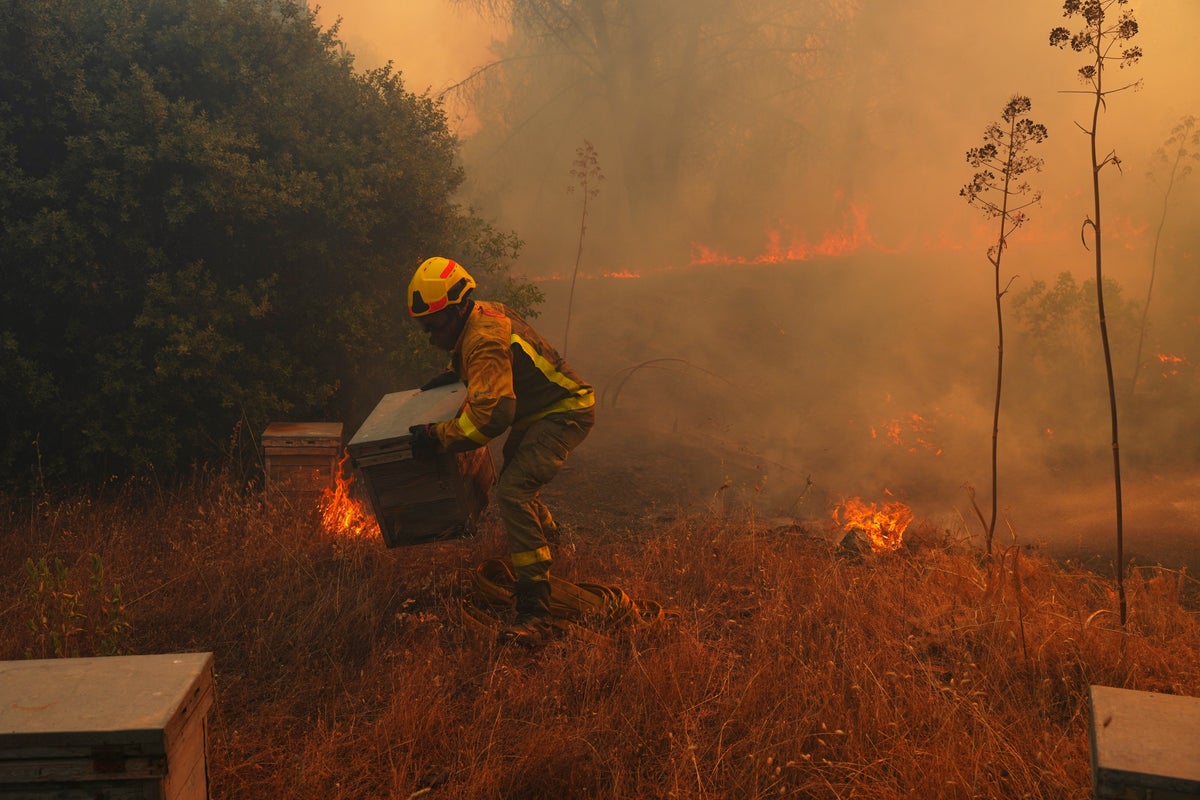 UN, scientists warn that strong El Nino will add fuel to 'a planet already on fire'
independent.co.uk
UN, scientists warn that strong El Nino will add fuel to 'a planet already on fire'
independent.co.uk
United Nations officials warned on Friday that a strengthening El Niño has already reached record intensity early in its development, according to The Independent. The paper reports that a key Pacific Ocean region used to measure El Niño strength has hit its warmest level ever recorded for 15 consecutive weeks, citing scientists at Columbia University. The World Meteorological Organization said the event is expected to last through spring 2027, with effects likely to be felt well into 2027.
El Niño is a natural warming in the equatorial Pacific that reshapes global weather patterns, but this cycle is forming on top of unusually warm oceans and rising temperatures. The Independent quotes UN Secretary‑General António Guterres saying El Niño has moved from “arriving on the doorstep” to being “inside the house”, after a summer of record heat domes and major wildfires in parts of southern Europe. The WMO warned of heightened risks of extreme heat, drought and heavy rainfall as the event matures, with potential for drought and wildfires in parts of Indonesia, India, sections of Asia, southern and eastern Australia, parts of South America and southern regions of Africa.
The forecast also implies uneven consequences: some regions are expected to see above‑average rainfall, including much of the United States and parts of southern Europe that have already been affected by fires, according to the WMO summary in The Independent. That mix creates a planning problem for governments and utilities that rely on seasonal expectations for water, power demand and agricultural output. When the same ocean heat that drives stronger storms also raises baseline temperatures, “normal” becomes a moving target, and emergency spending tends to arrive after the damage rather than before it.
Columbia climate scientist Jeffrey Shaman told the newspaper that the indicator region recorded its warmest July ever, and said a year from now the Northern Hemisphere could see exceptional heat. He also warned that changing rainfall patterns ahead of the peak could bring “chaotic extremes” in fall and winter. The WMO’s secretary‑general, Celeste Saulo, said the developing event offered governments and communities a chance to anticipate risks and act before impacts occur.
El Niño will eventually fade, but the heat released from the ocean does not disappear. The Independent’s account leaves a narrower point: the world is being asked to build cooling, warning and response systems for conditions that are still accelerating.