
Methane blast kills dozens in Pakistan coal mine
Baluchistan rescue teams search for trapped miners near Quetta, compensation announced before safety answers arrive
Images
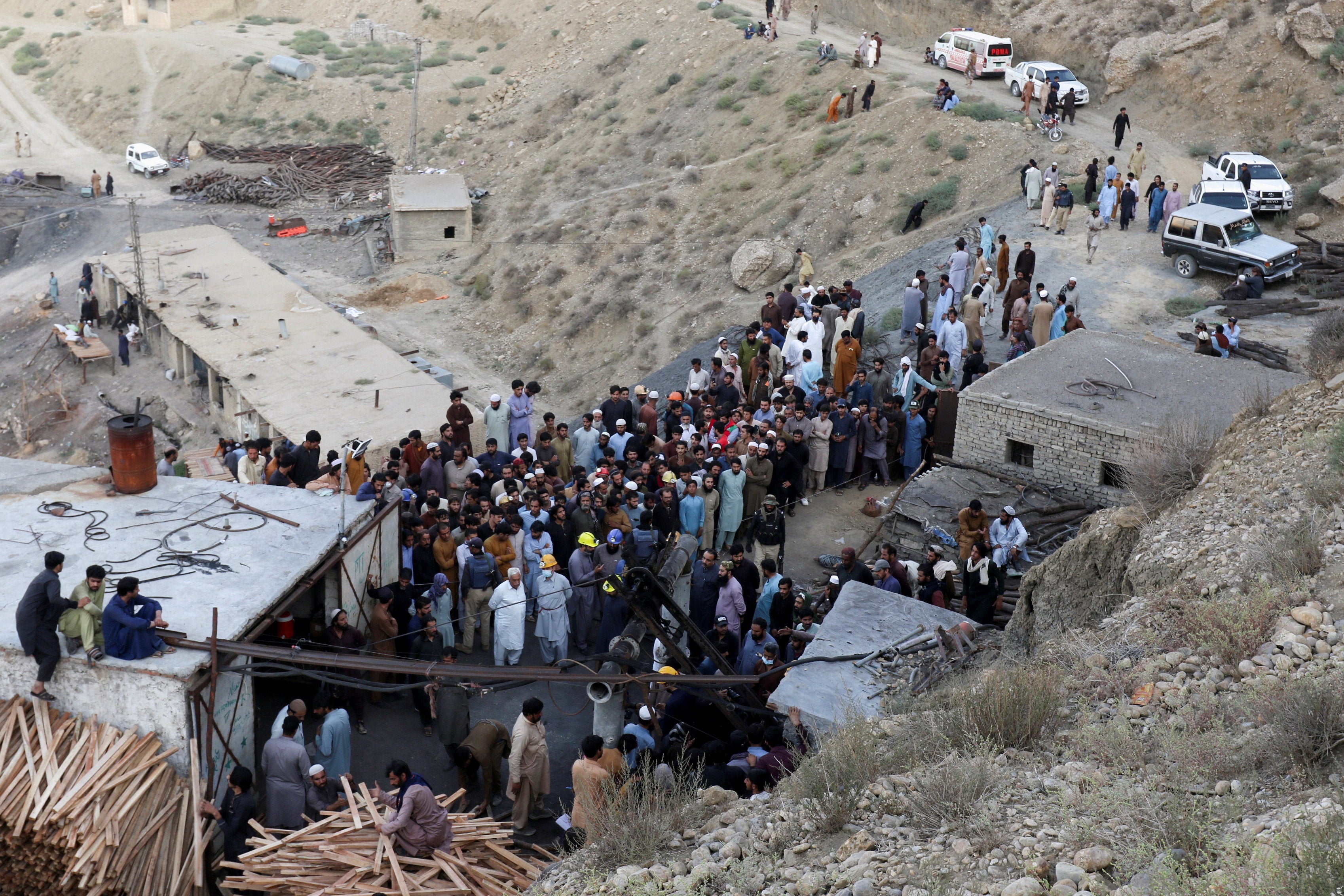 People gather after an explosion buried parts of a coal mining complex (Reuters)
Reuters
People gather after an explosion buried parts of a coal mining complex (Reuters)
Reuters
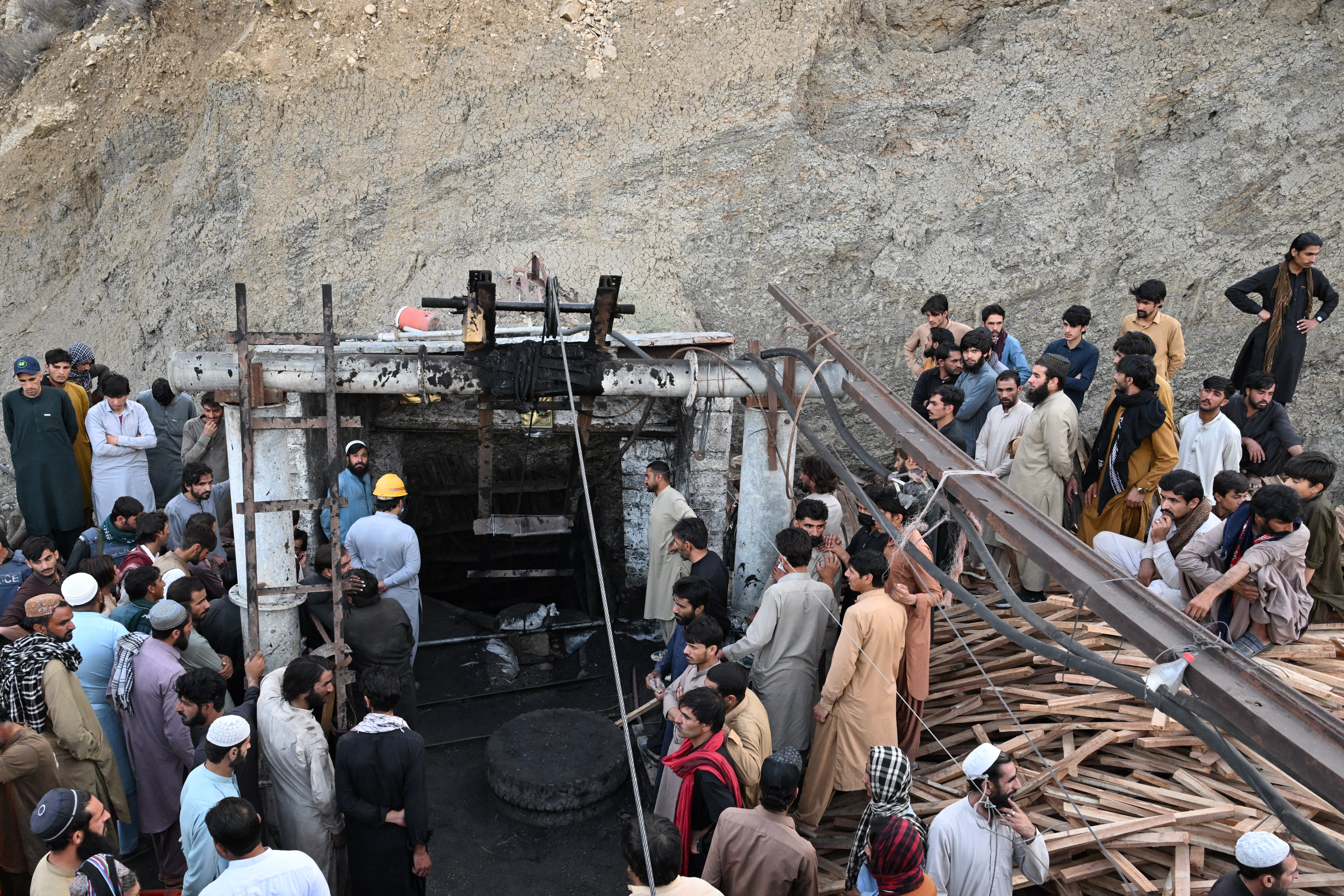 Coal miners and relatives gather at the entrance of a coal mine after it collapsed (AFP/Getty)
AFP/Getty
Coal miners and relatives gather at the entrance of a coal mine after it collapsed (AFP/Getty)
AFP/Getty
At least 32 miners were killed in a methane gas explosion at a coal mine in Pakistan’s Baluchistan province, with 10 others still trapped underground, according to The Independent. The blast hit a mine on the outskirts of Quetta, the provincial capital, and rescuers spent hours recovering bodies as they worked their way into unstable, hazardous tunnels.
A government mine inspector, Ghani Baloch, told the paper the explosion was caused by a buildup of methane gas, a routine risk in coal seams that becomes lethal when ventilation and monitoring fail. A provincial disaster management agency said search and rescue operations were continuing, while the Baluchistan minister for mines and minerals, Shoaib Nosherwani, acknowledged the dangerous conditions facing rescue teams and pledged provincial support. Officials also announced compensation of 500,000 Pakistani rupees per погибший miner, and said an investigation would review safety measures.
The details point to a familiar pattern in Pakistan’s coal industry, particularly in Baluchistan: high-risk extraction carried out in mines that often lack basic safety provisions. The Independent cites the Pakistan Central Mines Labour Federation, which suspects negligence and is demanding accountability as well as stricter enforcement of mine safety regulations. In practice, that enforcement burden falls on provincial authorities in a region described as Pakistan’s largest and least developed province, where unemployment and poverty leave many workers with few alternatives.
The economics are straightforward. Coal mines keep operating when the cost of proper ventilation, gas detection, and maintenance can be deferred, and when penalties are uncertain or delayed. The public sector then absorbs the most expensive part of the lifecycle—disaster response, recovery, and compensation—after the private value has already been extracted. Each major incident also tests the limits of local capacity: methane explosions do not just kill; they strip oxygen, destabilise tunnels, and force rescuers to move slowly, turning time into a second hazard.
Baluchistan’s geography and politics add another layer. Mines are scattered across remote areas, and the province’s underdevelopment constrains both inspection regimes and emergency services. When accidents are frequent, they also become easier to administratively normalise: an investigation is promised, compensation is paid, and the mines reopen, because the labour market keeps supplying men willing to descend.
Rescuers were still searching for the 10 trapped miners as officials warned oxygen levels could drop to zero after such blasts. The province put a price on each dead worker before it could say when the last missing would be brought out.