
Spain and Morocco agree urgent returns from Ceuta
Court ruling restricts immediate pushbacks for swimmers, civil protection system says migration does not qualify as emergency
Images
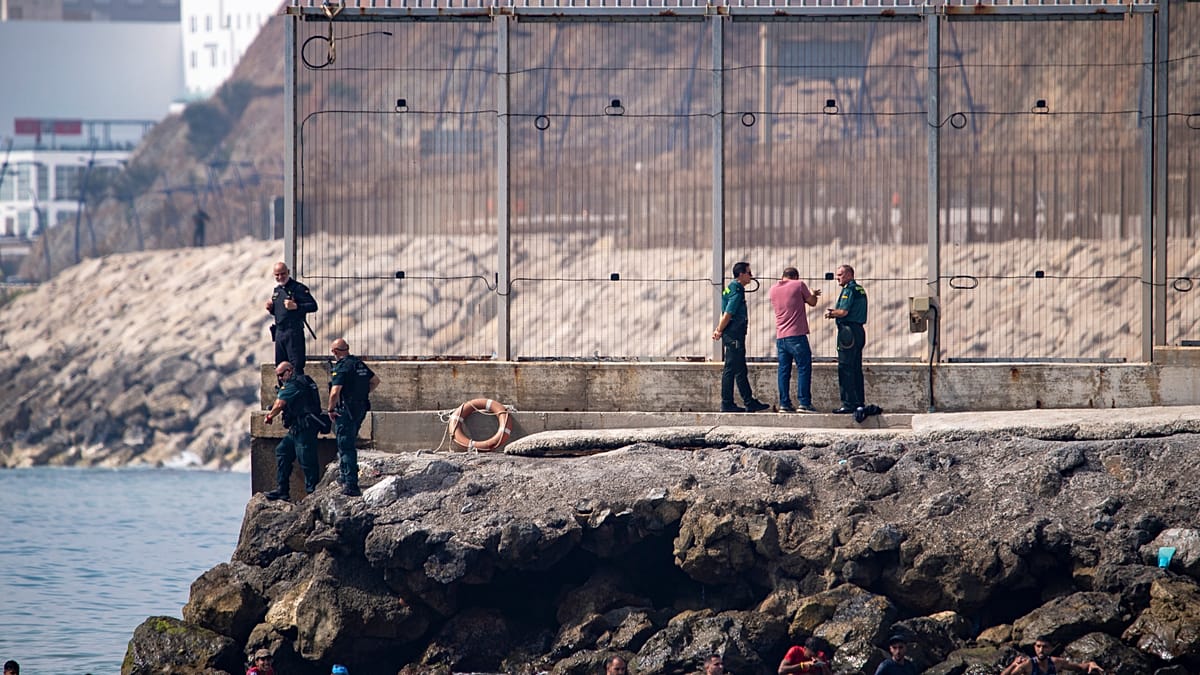 Spain and Morocco agree urgent return of latest Ceuta migrants
euronews.com
Spain and Morocco agree urgent return of latest Ceuta migrants
euronews.com
Thousands of migrants crossed into the Spanish enclave of Ceuta on Thursday, prompting Spain and Morocco to announce an “urgent” process to return those who entered irregularly, according to Euronews. Ceuta’s regional president Juan Jesús Vivas said the civil guard was overwhelmed and asked Madrid to take over management, warning local services were close to collapse.
The immediate trigger is legal as much as logistical. Spain’s Interior Ministry pointed to a recent court ruling that, in its reading, makes it harder to reject people at the border when they enter by swimming rather than breaching the fence. Euronews reports that the ruling requires an individual assessment for those arriving through Tarajal beach, limiting the practice of immediate pushbacks that had acted as a fast filter for the enclave’s small reception system.
Ceuta and Melilla are the EU’s only land borders with Africa, and their control has long depended on a patchwork of fences, patrols, and cooperation with Morocco. That cooperation is now the central variable. Moroccan diplomatic sources told Euronews the latest surge does not reflect any intent by Rabat to facilitate crossings, while Morocco’s embassy in Madrid blamed criminal smuggling networks. Civil guard sources in Ceuta, however, questioned how much help they were receiving from the Moroccan gendarmerie on the ground.
The Spanish government says it is mobilising resources and coordinating with Moroccan and “international” authorities, but it also draws a line around what it will officially call an emergency. The Interior Ministry has ruled out declaring a national emergency, saying Spain’s civil protection framework does not classify migration flows as a risk covered by the National Civil Protection System. In practice, that means the enclave can face overloaded centres and people sleeping outdoors while the state argues the legal category is wrong for activating national emergency machinery.
For Ceuta’s local government, the numbers are already concrete. Vivas estimated average sea arrivals recently at around 300 a day and said the trend was rising. Euronews also reported that more than 60 people have died attempting the crossing over the past 12 months, a toll that sits alongside images of flippers, flotation devices, and wetsuits left on the sand after mass arrivals.
Spain’s interior minister is expected to travel to Ceuta to coordinate with local authorities. The agreement with Morocco includes stepping up coordination and reviewing procedures to speed returns — but Euronews notes there is no timetable for implementing the measures.
On Tarajal beach, the equipment left behind was easier to count than the legal steps now required to send its owners back.