
Drone attack ignites fire on LNG vessels at Egypt port
Damietta incident hits regasification capacity as Cairo returns to LNG imports, peak-summer demand meets a shrinking margin for error
Images
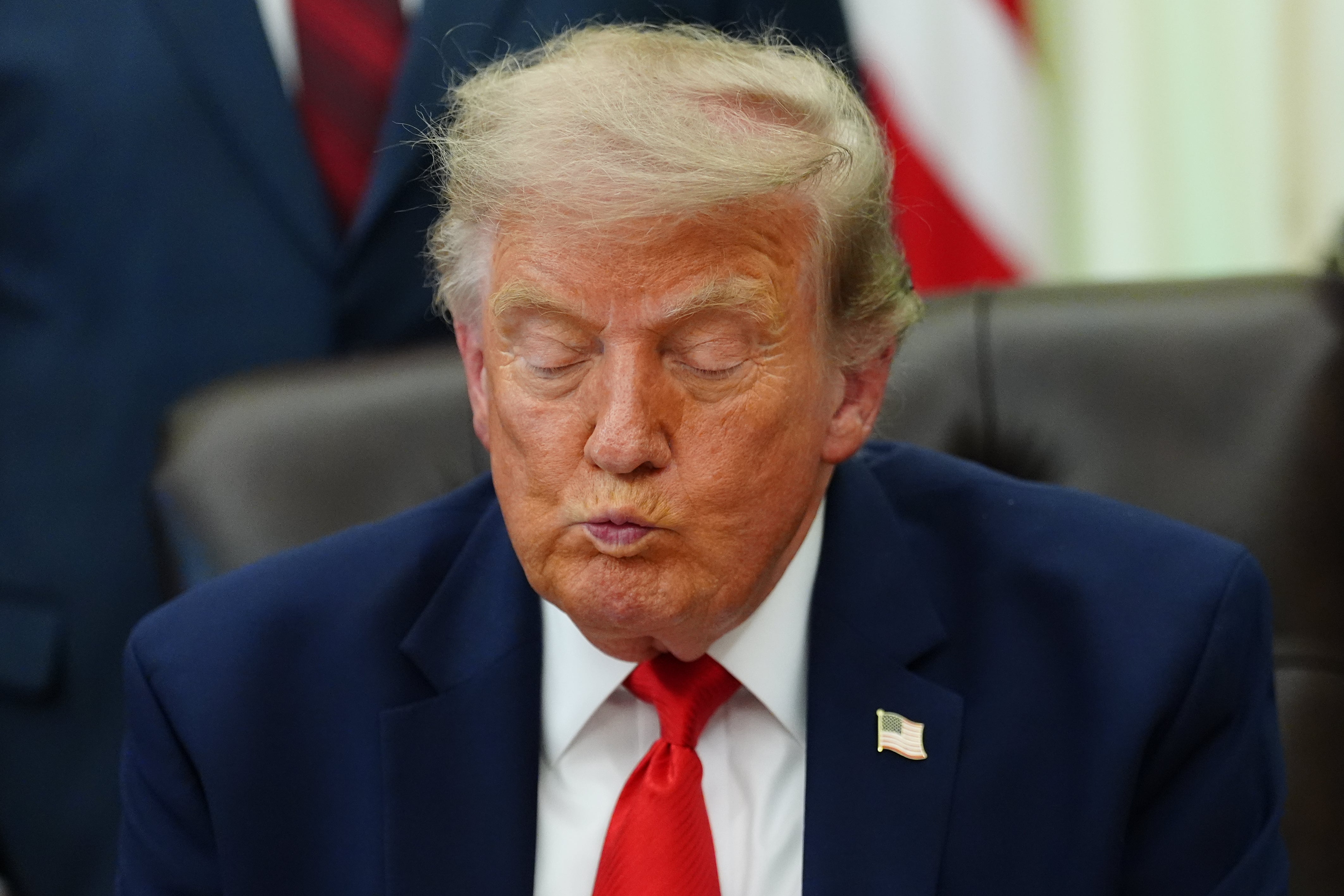 President Donald Trump had threatened retaliation against Iran after they launched a missile strike against US forces (AP)
independent.co.uk
President Donald Trump had threatened retaliation against Iran after they launched a missile strike against US forces (AP)
independent.co.uk
A drone strike set two gas vessels on fire at Egypt’s Mediterranean port of Damietta, an incident the Egyptian cabinet said was an attack rather than an accident. According to The Independent, the blaze involved a floating storage and regasification unit and another LNG vessel, and was brought under control by firefighting and security teams. No injuries were reported, and no group has claimed responsibility.
The target selection matters because Egypt has recently returned to the market as a significant LNG buyer, after declining domestic production and rising demand tightened its gas balance. Trading and maritime sources cited by The Independent said the affected floating unit is expected to remain out of service for an extended period, with one source describing a breach in a tank that could prolong repairs. The same report says the unit’s regasification capacity represents a meaningful share of Egypt’s daily gas consumption and a larger share of its import-receiving capacity, which turns a single port incident into a system constraint rather than a local fire.
The episode also lands in a region where attackers have been probing the infrastructure that turns energy into cash: ports, tankers, pipelines, and the narrow sea lanes that connect them. The Independent places the Damietta strike shortly after Iran launched a missile strike against US forces in Jordan, and amid retaliatory actions by Washington and Saudi Arabia against Iran-backed paramilitary groups in Iraq. Yemen’s Houthi movement has separately declared a naval blockade on Saudi Arabia, while shipping routes around the Red Sea and the Gulf have already been absorbing higher security costs and longer diversions.
Egypt’s government said it has opened an investigation and is taking measures to safeguard national security. But the practical question for Cairo is less about attribution than about resilience: how much spare import capacity exists when a single unit goes offline in peak summer demand, and which customers get curtailed first if flexibility runs out. The Independent reports that officials see mitigation options—maximising other import facilities, switching to fuel oil, tapping renewables, and as a last resort reducing gas supply to some industrial users—which is a menu that implicitly ranks households, factories, and the state budget against each other.
Petroleum minister Karim Badawi visited the site as the fires were contained. The vessels, however, are expected to stay out of service, leaving Egypt’s gas system to operate with less slack at the exact moment the region is testing every chokepoint it can reach.