
Samsung and SK Hynix post record chip profits
AI server memory demand lifts prices while shares slide, China’s domestic lithography push hangs over the next cycle
Images
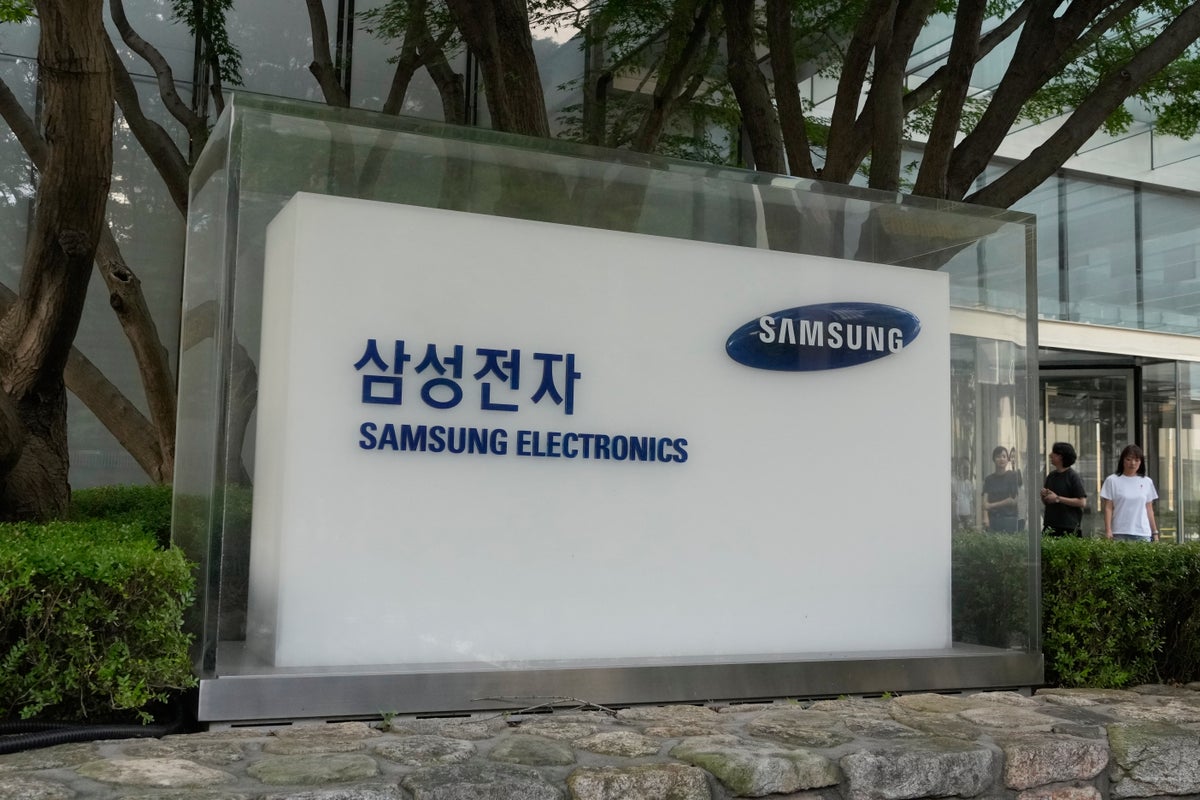 Samsung reports record profit as South Korean chip giants benefit from global AI boom
independent.co.uk
Samsung reports record profit as South Korean chip giants benefit from global AI boom
independent.co.uk
Samsung Electronics and SK Hynix have reported record results as the global buildout of AI infrastructure pushes up memory-chip prices, according to reporting by The Independent and Euronews. The earnings arrived in the same week that South Korean chip stocks sold off sharply, with SK Hynix shares falling after its numbers and Samsung’s share price also under pressure.
The Independent reports that Samsung’s April–June operating profit hit a record level and that most of it came from semiconductors, as shipments of advanced high-bandwidth memory for AI servers increased. At the same time, Samsung’s consumer divisions—mobile, TVs and home appliances—posted an operating loss, partly due to higher component costs. The picture is of a company being pulled in two directions: one business printing cash from a single global capex cycle, another exposed to household demand and squeezed margins.
For investors, the immediate question is whether today’s shortage economics justify the scale of spending now being committed. Both Samsung and SK Hynix are investing heavily in manufacturing capacity and data-centre-linked projects, and analysts cited by The Independent question whether returns will match the outlays if the cycle turns. Memory has a long history of boom-and-bust dynamics; a few quarters of undersupply can quickly become a glut once new fabs come online and customers pause orders.
The second pressure point is geopolitical and technological. The Independent notes market anxiety about intensifying competition from China, including reports that a state-owned Chinese company has begun mass-producing domestically developed deep-ultraviolet lithography machines—a key tool for advanced chipmaking. It also points to the market debut of Chinese memory chipmaker ChangXin Memory Technologies as another catalyst for nerves. Even if the performance gap remains, the direction of travel matters: a domestic toolchain reduces the effectiveness of export controls as a permanent barrier.
South Korea’s stock market is also prone to sharp retail-driven swings, the Independent adds, amplifying moves that begin with earnings surprises into broader risk-off selling. Record profits, in other words, are not being treated as a destination; they are being treated as a temporary peak that arrives just as competitors and capital expenditure both accelerate.
Samsung says it expects strong memory demand in the second half of the year. The same week’s trading suggests investors are already pricing in what comes after it.