
19 cadets fall ill at D.C. National Guard youth academy
Parents question notification delays after hospital evaluations, food quarantine begins while cause remains unclear
Images
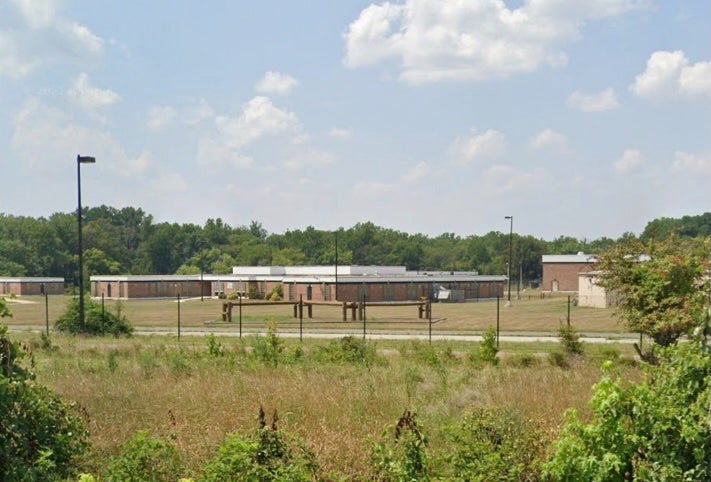 Parents have demanded answers after 19 cadets at a military-run youth academy fell ill after eating lunch (Google Earth)
Google Earth
Parents have demanded answers after 19 cadets at a military-run youth academy fell ill after eating lunch (Google Earth)
Google Earth
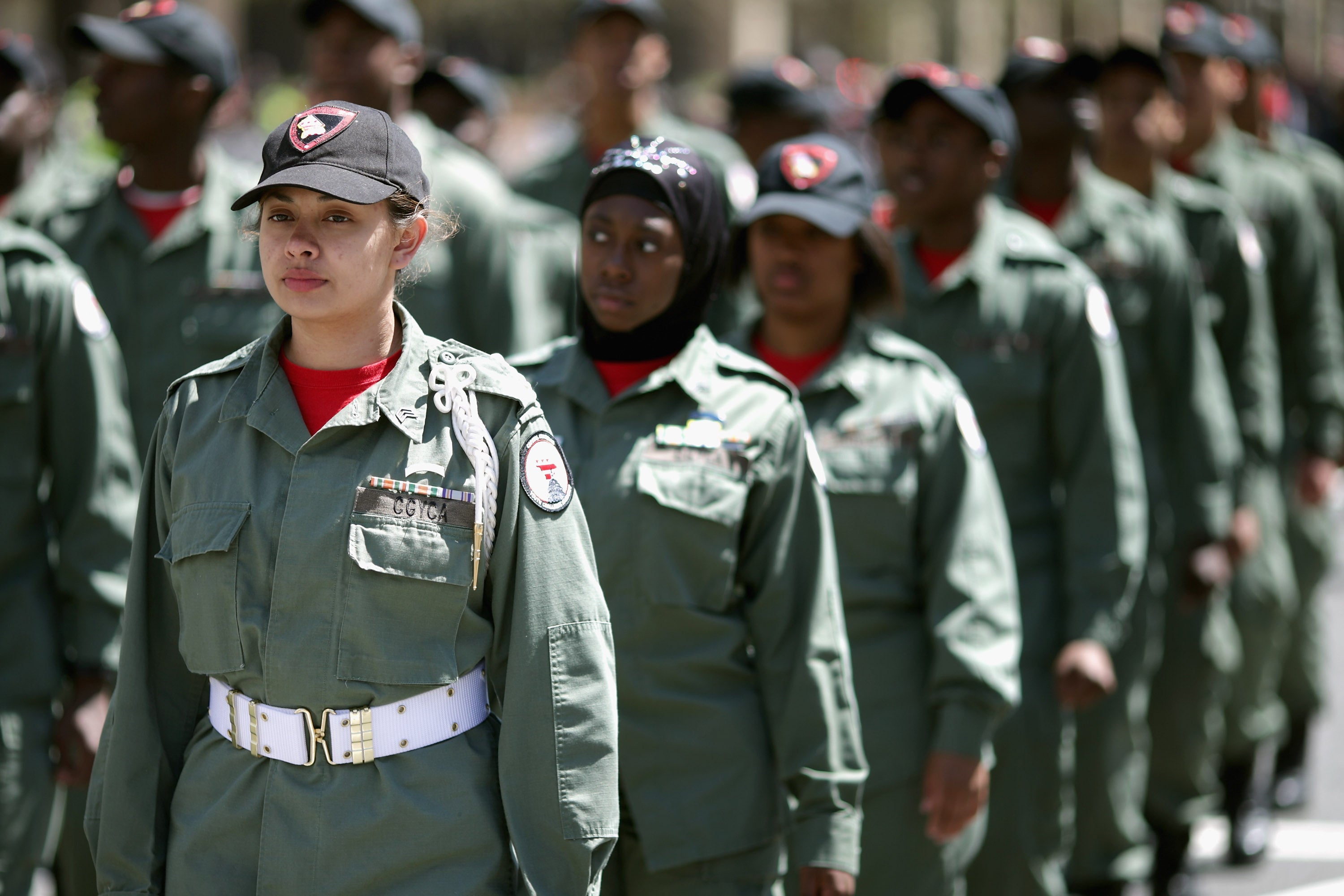 The cadets were at the Capital Guardian Youth Challenge Academy in Laurel, Maryland, on Sunday when first responders were called (file photo) (Getty Images)
Getty Images
The cadets were at the Capital Guardian Youth Challenge Academy in Laurel, Maryland, on Sunday when first responders were called (file photo) (Getty Images)
Getty Images
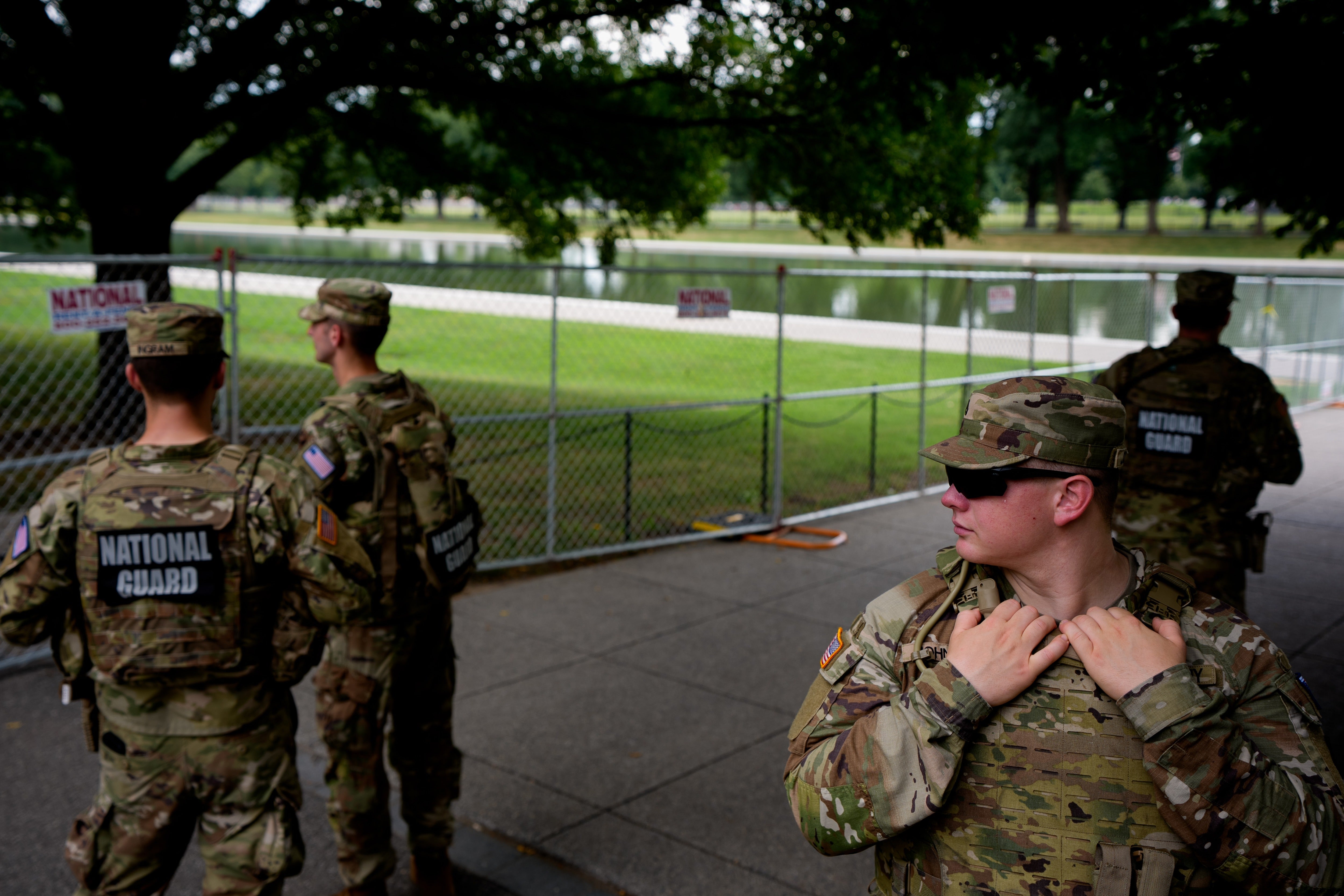 The D.C. National Guard, which runs the academy, said 'it would be premature to speculate' the cause of the illnesses (Getty Images)
Getty Images
The D.C. National Guard, which runs the academy, said 'it would be premature to speculate' the cause of the illnesses (Getty Images)
Getty Images
Nineteen cadets at the Capital Guardian Youth Challenge Academy in Laurel, Maryland fell ill after eating lunch on Sunday, prompting three calls to the Anne Arundel County Fire Department within 90 minutes, according to The Independent. Parents told the outlet that teenagers reported lightheadedness, dizziness, vomiting and, in some cases, loss of consciousness. The D.C. National Guard, which runs the academy, said the cadets were taken to local hospitals “as a precaution” while the cause of the illnesses remains unclear.
The episode has turned into a test of basic duty-of-care at a state-run residential program designed for “life intervention” and GED preparation. One 16-year-old cadet told The Independent he repeatedly asked staff to contact his mother as his condition worsened, yet she said she did not hear from him until nearly six hours after he became ill and ended up driving him to the hospital herself. Another parent said her son was taken to hospital without her knowledge. The Guard said parents and guardians were notified, but did not specify when, leaving the dispute to hinge less on the medical symptoms than on the communications chain inside a controlled facility.
The investigation has also produced competing narratives about what, if anything, was detected on site. The cadet’s mother said hospital doctors told her son he had been exposed to carbon monoxide, though she was told levels were not dangerously high. The National Guard, by contrast, said fire officials detected no carbon monoxide or other environmental hazards during their assessment and warned it would be premature to speculate. In the meantime, the Guard has initiated a food quarantine to preserve potential evidence, while an independent private company conducts water, air and environmental testing on campus.
Public health agencies are now leaning on data collection rather than immediate answers. The Maryland Department of Health and the D.C. Department of Health sent an email on Monday asking anyone who was at the academy on Sunday to complete a survey to support the inquiry. On Monday, 15 cadets were evaluated by emergency medical personnel; nine had been assessed on Sunday, and after those assessments nine declined further treatment while six were taken to local medical facilities for additional evaluation.
For parents, the unresolved cause matters less than the practical reality that a program meant to provide structure and supervision can still leave families piecing together what happened after the fact. For the Guard, the next steps run through lab results, quarantined meals and timestamps.
Nineteen teenagers ate lunch, felt sick, and their parents are now arguing about who was told what, and when.