
Salman Rushdie attacker convicted on federal terrorism charges
Prosecutors cite 1989 fatwa and messaging-app contacts, a public talk on writers’ safety ends in life-sentence exposure
Images
 independent.co.uk
 (AP Photo/Chris Pizzello)
Chris Pizzello)
(AP Photo/Chris Pizzello)
Chris Pizzello)
 independent.co.uk
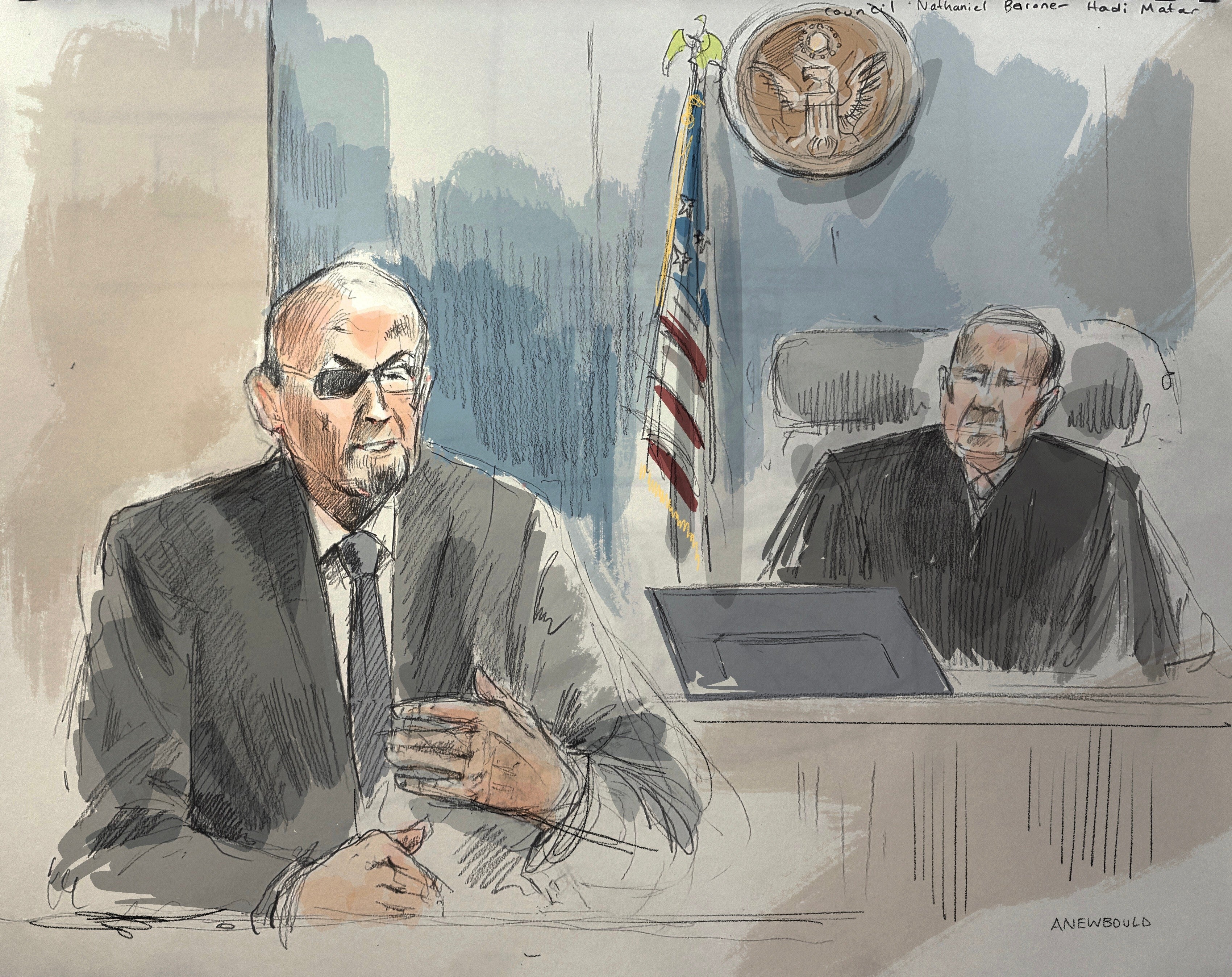
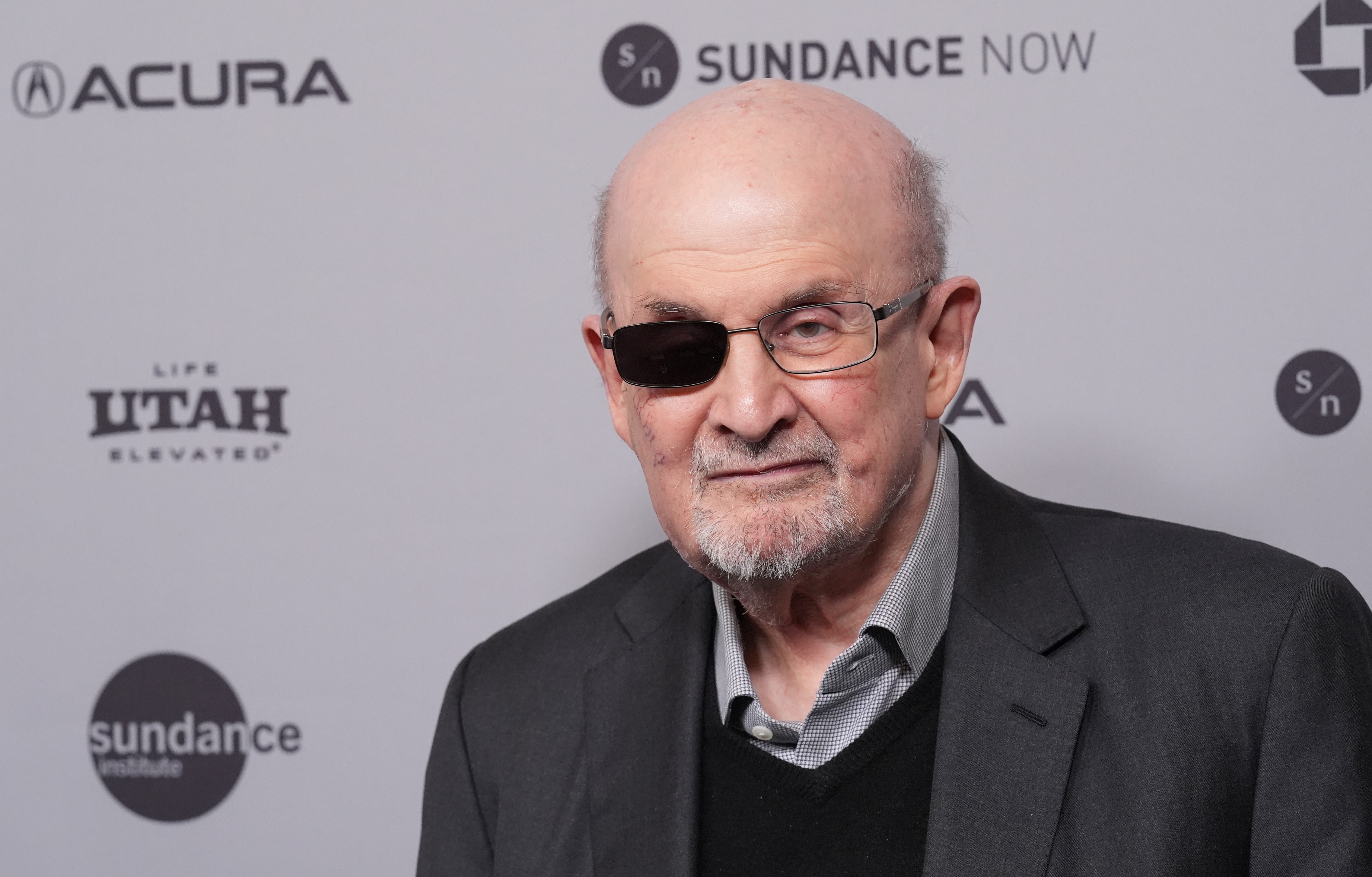
A federal jury has convicted Hadi Matar of terrorism charges over the 2022 stabbing of author Salman Rushdie, according to the Associated Press via the Independent. Prosecutors said Matar attacked Rushdie as the writer was about to speak at the Chautauqua Institution in western New York about safety for writers, stabbing him repeatedly in front of an audience. Rushdie survived with grave injuries, including the loss of sight in one eye, while Matar already has a state sentence for attempted murder and now faces the possibility of life in federal prison.
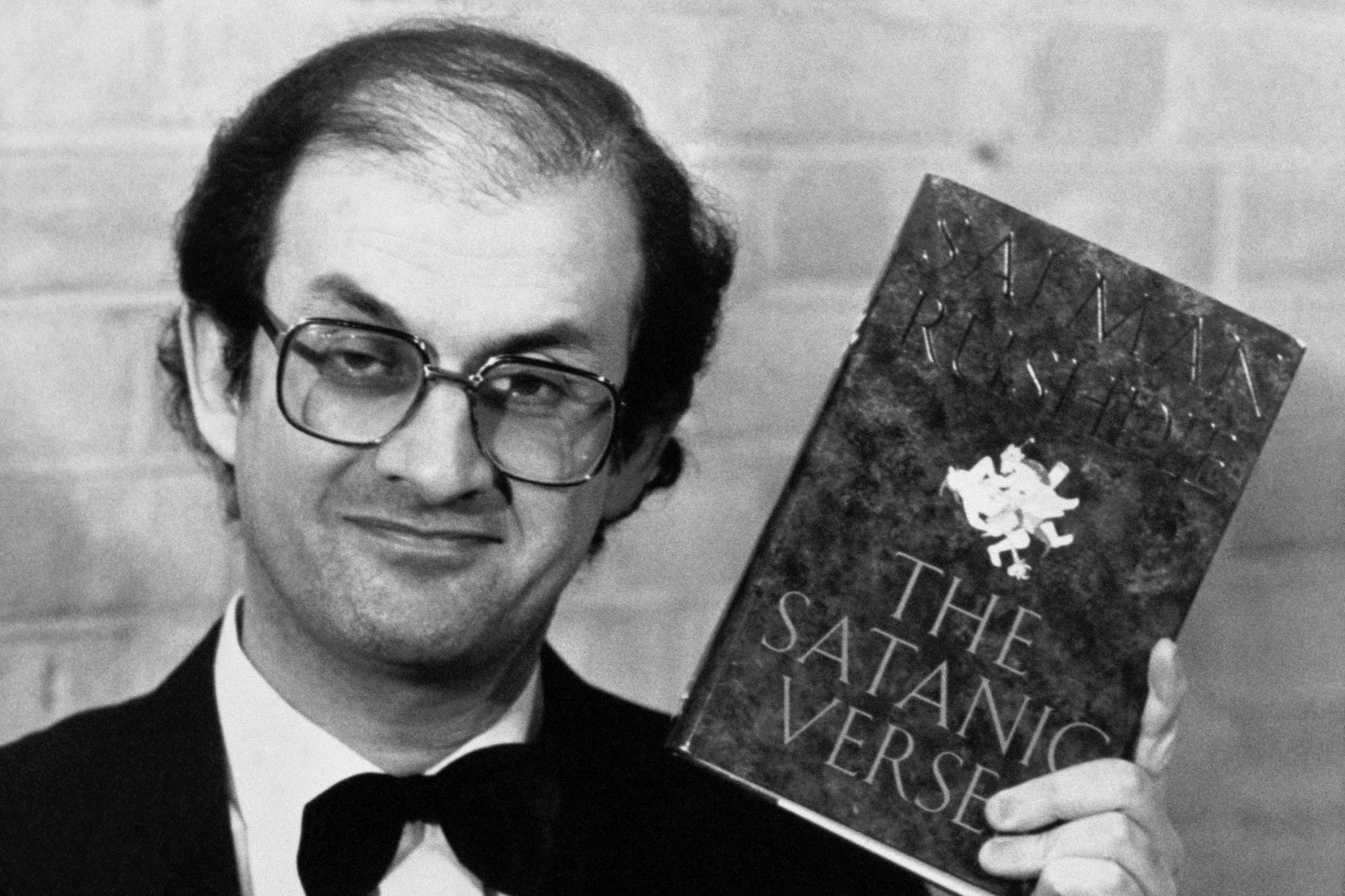
The federal case tried to connect a single stage attack in upstate New York to a decades-old political and religious campaign that began far from the courtroom. Prosecutors argued Matar was motivated by the 1989 fatwa issued by Iran’s Ayatollah Ruhollah Khomeini after Rushdie’s novel The Satanic Verses triggered protests across parts of the Muslim world. The Independent recounts how the controversy was not confined to rhetoric: it coincided with deadly riots and attacks on people associated with the book, including the killing of a Japanese translator and violence against others involved in publishing.
Rushdie’s own testimony underscored how long the threat has lingered while changing form. After years in hiding, he returned to public life when Iran’s government appeared to distance itself from the fatwa in 1998, and he told the court he lived publicly for more than two decades without trouble. But the fatwa was never formally rescinded, and the Independent notes that Iran’s current supreme leader, Ayatollah Ali Khamenei, indicated years later that it still stood, while an Iranian foundation has offered a multimillion-dollar bounty.
In court, the government leaned on digital traces rather than confessions. Prosecutors presented evidence that Matar discussed the fatwa with contacts on messaging apps and wrote privately that Rushdie needed to be killed quickly, while also collecting material indicating support for Hezbollah, which the United States designates a terrorist organization. The defense argued prosecutors could not prove what was in Matar’s head, and Matar did not testify—leaving the jury to weigh intent from notes, messages and the planning described at trial.
The verdict turns a long-running, half-dormant threat into a formal transnational terrorism conviction. It also leaves the practical question unchanged for event organisers and public institutions: a man climbed onto a stage during a talk on writers’ safety, and the outcome now depends on how many layers of security can be afforded the next time.