
Trump says Andy Burnham will open North Sea oil drilling
Downing Street call summary omits any drilling pledge, UK energy policy drifts while output declines
Images
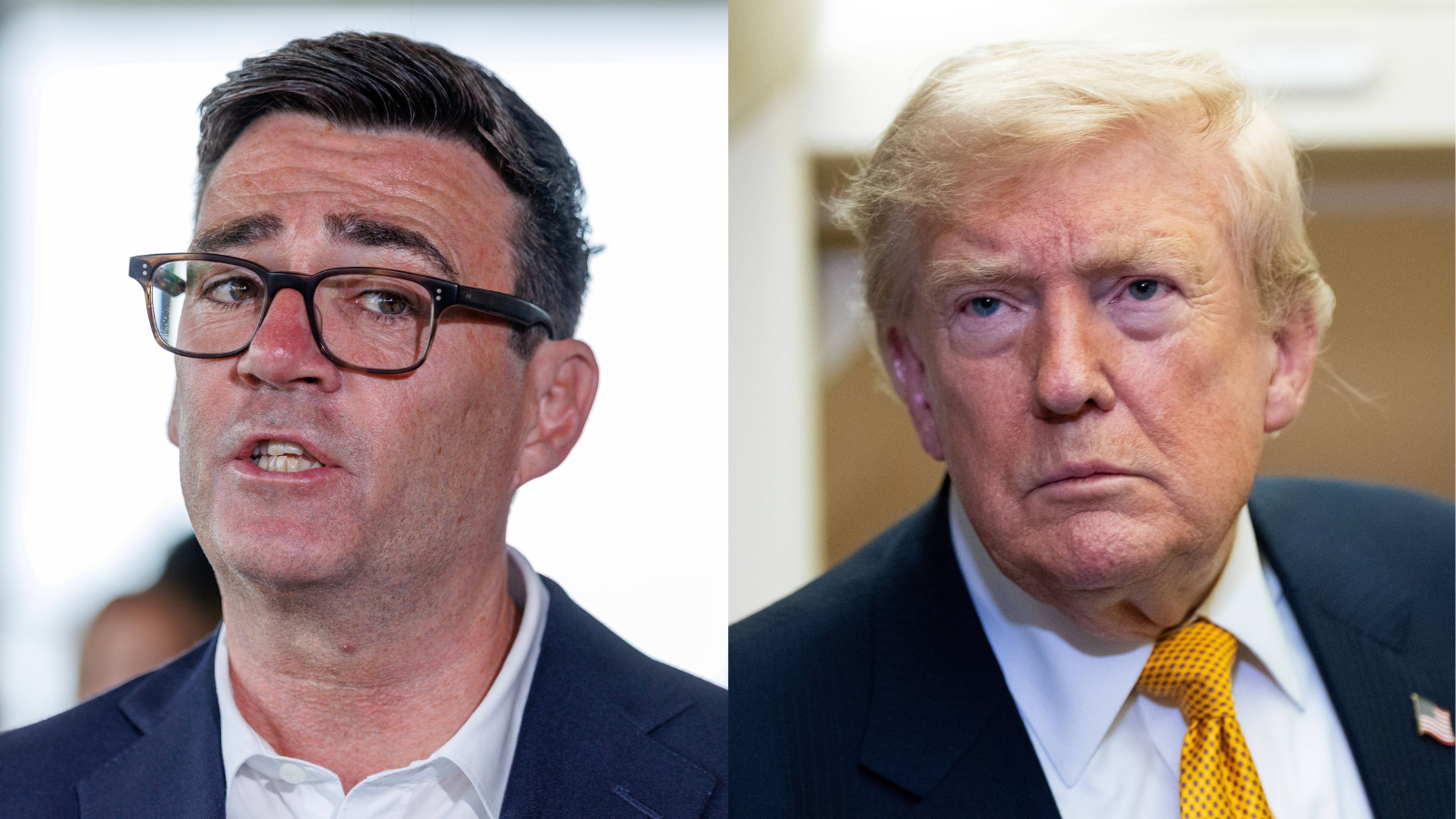 Mr Burnham said, according to Mr Trump, that he would allow new drilling for oil (Getty/AP)
Getty/AP
Mr Burnham said, according to Mr Trump, that he would allow new drilling for oil (Getty/AP)
Getty/AP
 It’s been so hot that some people have used leaf-blowers to try to cool off (PA)
independent.co.uk
It’s been so hot that some people have used leaf-blowers to try to cool off (PA)
independent.co.uk
 The climate emergency has exacerbated French wildfires (AFP/Getty)
AFP/Getty
The climate emergency has exacerbated French wildfires (AFP/Getty)
AFP/Getty
 standard.co.uk
 standard.co.uk
 standard.co.uk
Donald Trump told reporters at the White House that UK prime minister Andy Burnham had promised to “open up the North Sea” for oil drilling, a claim Downing Street did not include in its own summary of their call. Trump made the remark during a briefing this week, arguing that Britain would be “a really rich country” if it expanded offshore production. The comments landed as the UK endures another spell of extreme summer heat, with parts of the country under drought restrictions, according to reporting by The Independent.
The gap between Trump’s account and the official readout matters because the Labour government’s last published position under Sir Keir Starmer was to end new licences for North Sea oil and gas exploration. Burnham has previously said he would stick to that manifesto pledge, but he has also declined to rule out approving new production, keeping the policy deliberately ambiguous. Trump, who has long attacked wind power, used the exchange to contrast “windmills made in China” with oil imports from Norway, pointing to Oslo’s sovereign wealth as the payoff from decades of offshore extraction.
The North Sea is not a blank map. Official statistics cited by The Independent suggest that most of the oil and gas likely to be produced from the basin has already been extracted, and industry data show output falling year by year. The UK’s North Sea Transition Authority has estimated that existing fields could still yield substantial volumes before 2050, but that framing shifts the debate from “new drilling” to how hard to push mature assets and whether to approve fresh projects that may not produce for years. Offshore Energies UK, the sector’s trade group, argues there is more recoverable oil than the official baseline implies, a familiar dispute in a province where the economic case depends on assumptions about prices, decline rates, and tax treatment.
Politically, the episode shows how energy policy can be pulled by two competing pressures at once: climate commitments on paper and security-of-supply arguments in practice. A prime minister who wants to fund reindustrialisation, defence, and household relief has an obvious reason to keep every revenue stream on the table, particularly when annual production is already declining and the country imports most of the energy it consumes. At the same time, the North Sea’s geography turns any “open it up” promise into an internal UK distribution fight, with Trump himself noting that Scotland controls a large share of remaining reserves.
For now, the only public attribution for Burnham’s alleged pledge is Trump’s. Downing Street is still pointing reporters back to a summary that mentions growth, defence and security, but not oil.