
Air France-KLM and Lufthansa bid for TAP stake
Portugal keeps majority control under privatisation law, management influence arrives before capital injection
Images
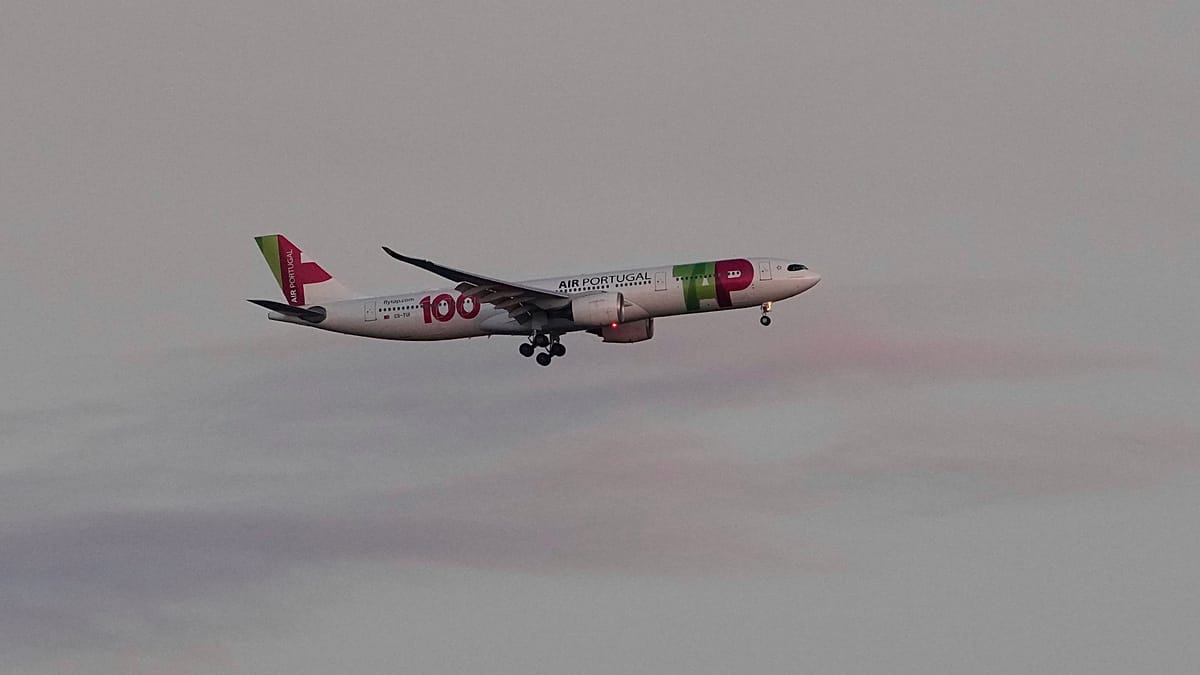 Portugal: Air France-KLM and Lufthansa submit binding bids to buy TAP
euronews.com
Portugal: Air France-KLM and Lufthansa submit binding bids to buy TAP
euronews.com
Two of Europe’s biggest airline groups have submitted binding bids for a minority stake in Portugal’s flag carrier, putting TAP Air Portugal at the centre of the continent’s slow-motion aviation consolidation. Air France-KLM and Lufthansa filed offers to buy 44.5% of TAP, according to Parpública, the state body that manages Portugal’s holdings. The bids are part of a privatisation process relaunched in 2025 by Prime Minister Luís Montenegro’s government, with Lisbon aiming to conclude the sale by September 2026.
Parpública said the proposals include a price for the stake and an “industrial and strategic plan” setting out how the bidders would support TAP’s sustainability and future. The agency now has 30 days to analyse the documentation and report to the government, a clock that can be paused if Parpública asks the airlines for clarifications. After that review, the government can invite one or both bidders to submit a new final offer, extending a process that has already moved through multiple stages and deadlines.
The structure of the sale keeps the state in control while shifting key decisions into the hands of a partner with its own network logic. A decree law approved a year ago allows Portugal to sell up to 49.9% of TAP to private investors while remaining the majority shareholder, with 5% reserved for employees and any unsubscribed portion available to the selected investor. That design offers political cover—TAP remains “national”—but also creates a familiar split between authority and responsibility: the carrier’s strategy would be shaped by a large group whose incentives are to route traffic through its hubs, while the Portuguese state retains ultimate ownership and the domestic political fallout.
The bidder list itself shows how narrow the field has become. International Airlines Group, owner of Iberia, withdrew, leaving two legacy groups competing for an airline whose value lies not just in its aircraft but in its slots, routes and feeder traffic. For Air France-KLM and Lufthansa, buying into TAP offers a way to lock in market share before rivals do, especially as European airlines face pressure from low-cost carriers on short-haul routes and from non-European competitors on long-haul travel. Under that squeeze, scale is less a corporate vanity project than a defensive posture: bigger groups can spread costs, centralise procurement, and negotiate harder with airports and suppliers.
Portugal’s timeline also underlines how privatisation can be staged to postpone the hardest commitments. Infrastructure Minister Miguel Pinto Luz said the selected investor could begin sharing management with TAP’s current board as early as 2026, but the expected capital injection would come in summer 2027. That sequencing lets the parties agree on governance and direction first, while leaving the cash—often the part that tests whether a “strategic plan” is more than a slide deck—for later.
Parpública will now review two sets of binding documents, and Lisbon will decide whether to ask for a final round of offers. The state is selling less than half the airline, but the buyer is being asked to write the future.