
US Haitian TPS expires for roughly 350000 people
Trump administration moves to end long-running legal shield after Supreme Court ruling, Miami families shift jobs and property into survival mode
Images
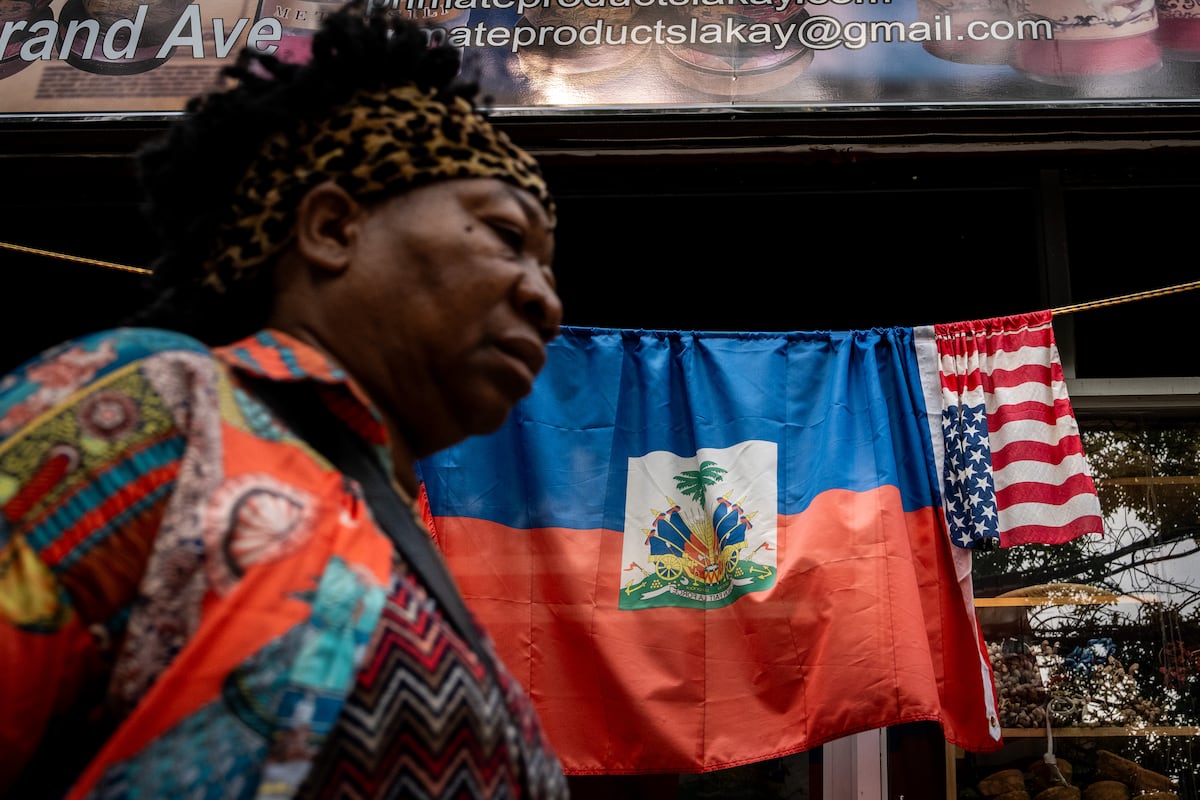 Thousands of Haitians face deportation after losing TPS: ‘They have been struggling for years and now they have nothing’
english.elpais.com
Thousands of Haitians face deportation after losing TPS: ‘They have been struggling for years and now they have nothing’
english.elpais.com
Temporary Protected Status for Haitians expires in the US, about 350000 lose work authorisation as court action follows Supreme Court ruling, families shift assets ahead of possible detention
Temporary Protected Status for roughly 350,000 Haitians expired at midnight on Monday, removing the legal basis to work and remain in the United States for people who have often lived there for years, according to El País. In Miami’s Little Haiti, business owner Franz Fabien told the paper he is six months behind on his mortgage and fears losing both his home and his business as customers and employees in the neighbourhood lose their papers.
The immediate change is administrative but the effects are physical: jobs end when work permits lapse, leases and mortgages become harder to service, and daily routines narrow to whatever feels least likely to trigger an encounter with law enforcement. Fabien said two of his sisters were fired on Monday after their status and work authorisation ended, and that they are now afraid to leave the house. El País reports that residents have been moving ownership of houses and cars into names that might be less exposed to detention or deportation, a form of household risk management that does not create new legal status but can preserve assets if a wage earner disappears.
The legal pathway that produced the deadline runs through Washington rather than Port-au-Prince. TPS for Haitians was first granted after the January 2010 earthquake, and has since functioned as a long-running exception that allowed people to build lives while their formal immigration cases remained unresolved. El País says a recent Supreme Court decision cleared the way for the Trump administration to end TPS programmes, and that a federal judge is expected to formally lift protections in the wake of that ruling. That sequence matters because it turns what many recipients experience as a settled arrangement into something closer to a renewable licence: once the renewal stops, the same workers and parents become unauthorised overnight.
Advocates are now trying to slow the consequences through courts and Congress. Vanessa Joseph, an attorney who chairs Catholic Legal Services of the Archdiocese of Miami and leads the National Haitian American Elected Officials Network, told El País she is advising families to seek immigration counsel and to prepare for disruptions by protecting children, finances, businesses, property and vehicles. The paper also describes community organising and protests, including a demonstration in San Diego earlier in July. A bill that would extend protections for Haitians who benefited from TPS has passed the House of Representatives, El País reports, but Senate leadership has refused to give it a hearing.
In Little Haiti, the policy change is showing up less as a border story than as a neighbourhood employment shock. People who arrived legally and built businesses are now planning around the possibility that the next knock on the door is not a customer.