
Magnitude 7.1 earthquake hits southern Japan
Tsunami warning lifted as Kumamoto reports building collapses and power outages, explosion at Aeon mall leaves people trapped and deaths unconfirmed by officials
Images
 Reuters
 Reuters
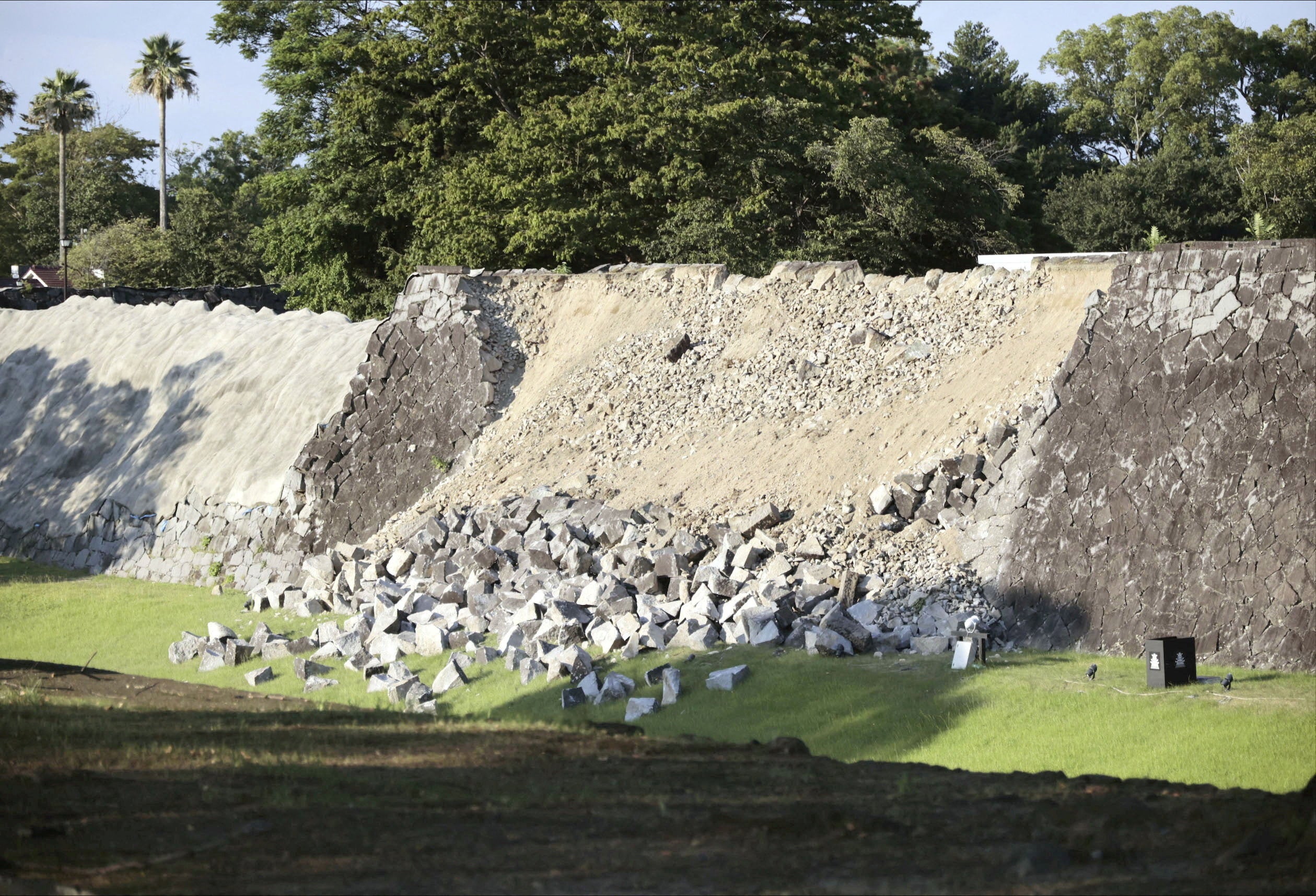 A collapsed part of Kumamoto Castle's stone walls after an earthquake (Reuters)
Reuters
A collapsed part of Kumamoto Castle's stone walls after an earthquake (Reuters)
Reuters
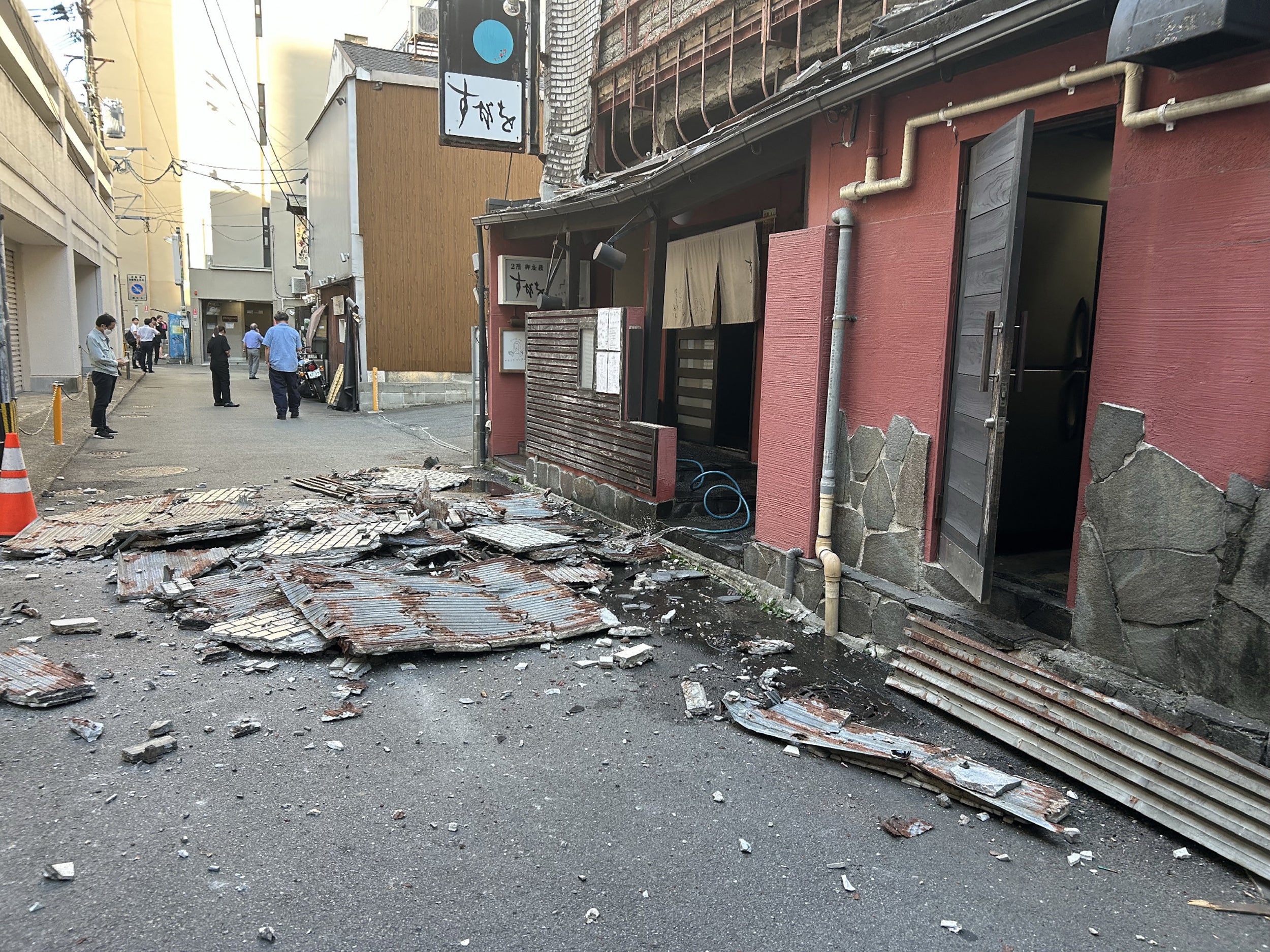 The exterior wall of a shop is seen collapsed in an earthquake, in Kumamoto City (AFP/Getty)
AFP/Getty
The exterior wall of a shop is seen collapsed in an earthquake, in Kumamoto City (AFP/Getty)
AFP/Getty
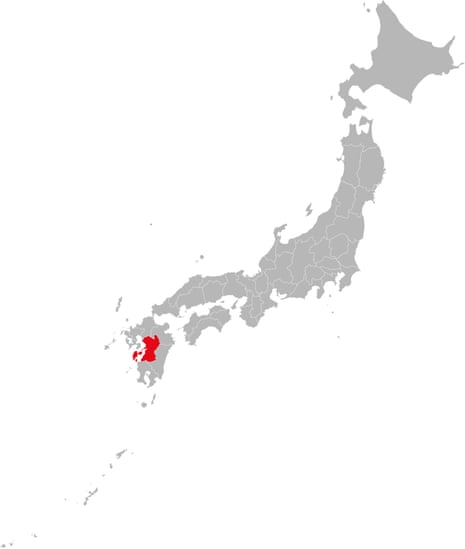 Kumamoto province highlighted in red on map of Japan. Illustration: Mohamed Rasik/Getty Images/iStockphoto
theguardian.com
Kumamoto province highlighted in red on map of Japan. Illustration: Mohamed Rasik/Getty Images/iStockphoto
theguardian.com
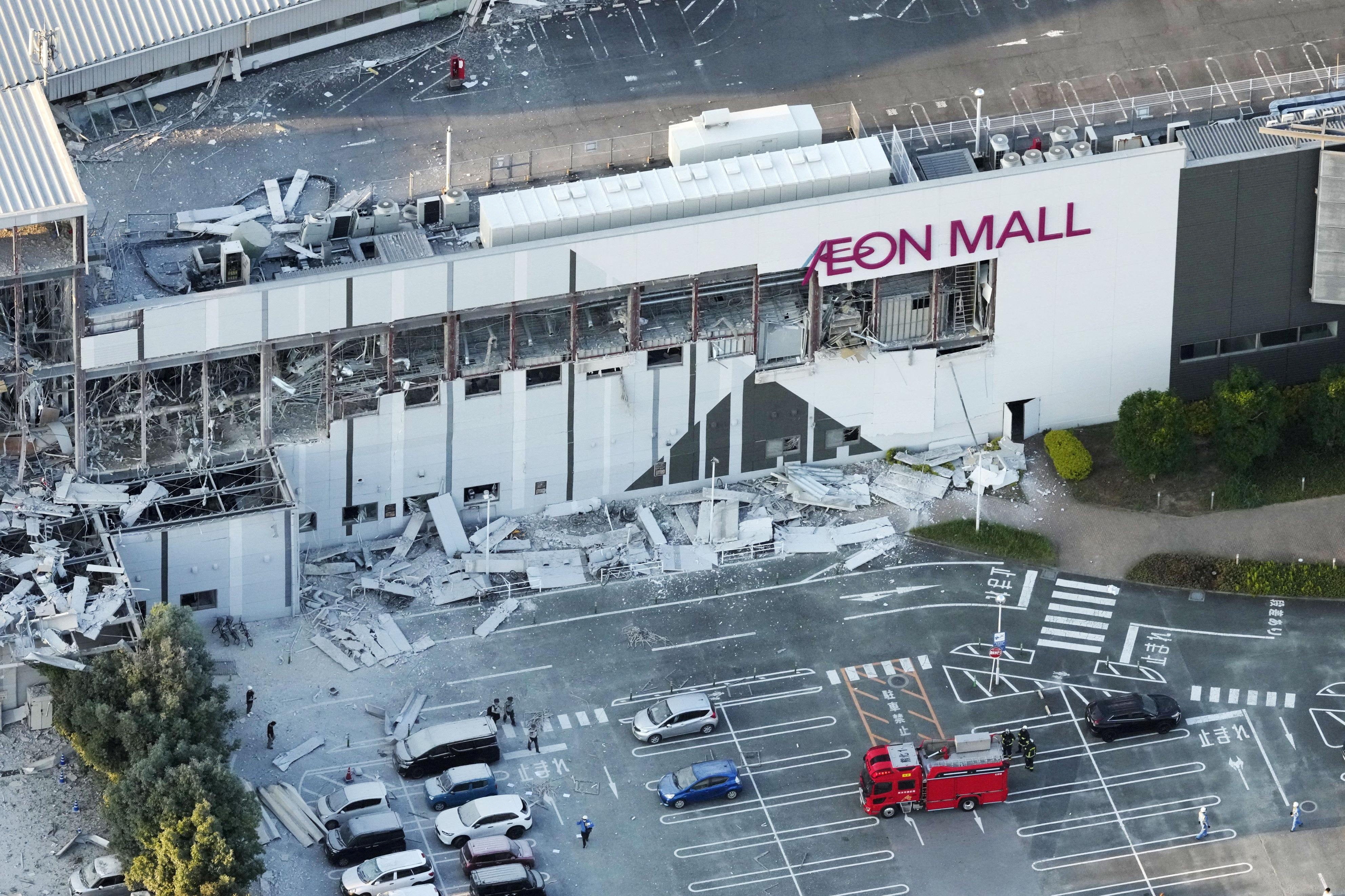
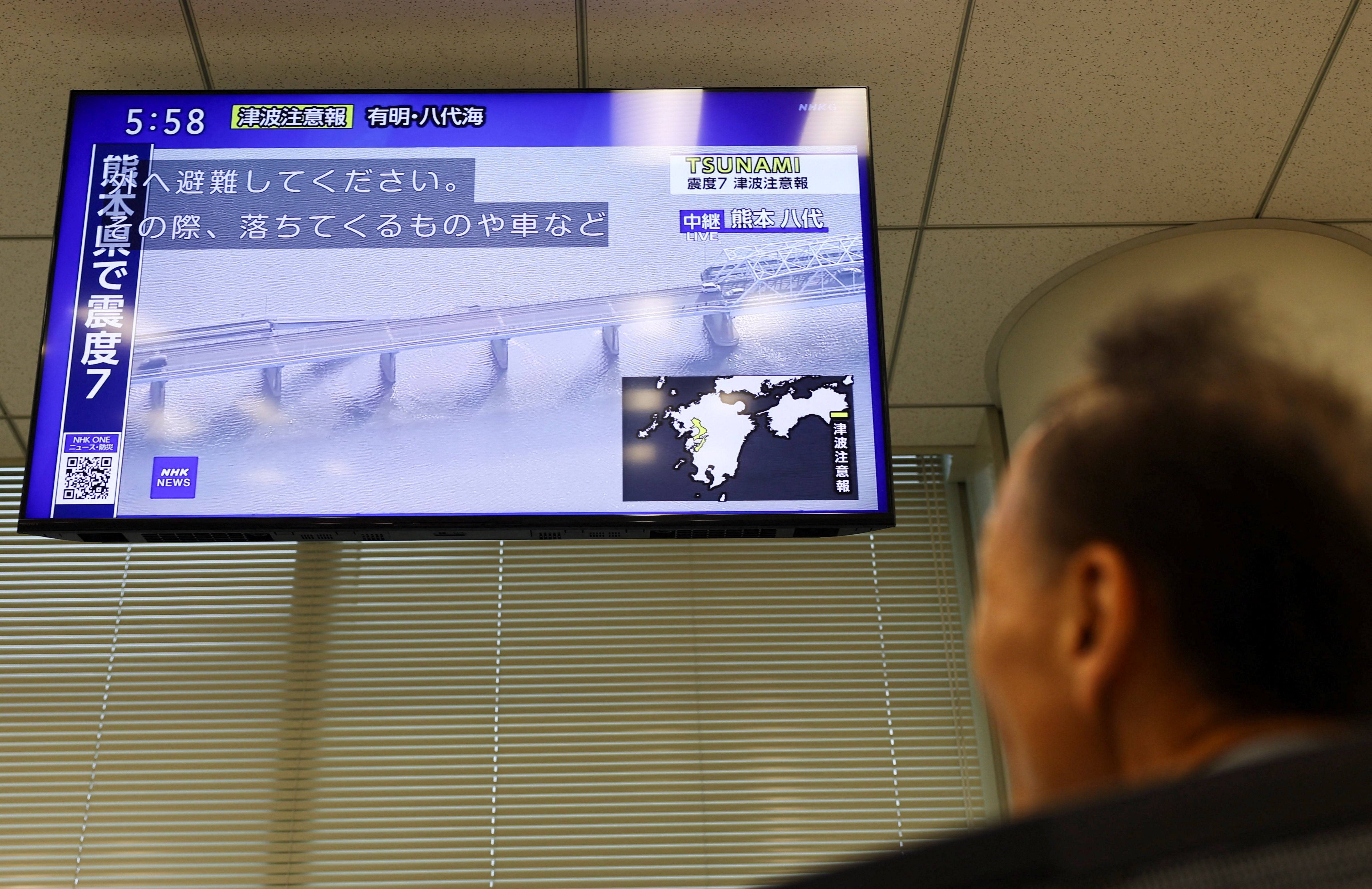
A magnitude 7.1 earthquake struck Japan’s Kumamoto prefecture on Monday afternoon, triggering a tsunami warning that was later lifted and damaging buildings, roads and utilities across parts of Kyushu. In Kashima town, a shopping complex operated by Aeon suffered what authorities described as an explosion and a partial collapse, with police and fire officials reporting multiple deaths and many people trapped inside. Prime Minister Sanae Takaichi said officials were assessing reports of collapsed buildings, fires, damaged roads and bridges, and power outages.
According to The Independent and live updates from The Guardian, the Japan Meteorological Agency put the quake’s depth at 10 km and said the shaking reached the maximum level on Japan’s Shindo intensity scale. NHK broadcast images of burning and collapsed buildings, large cracks in roads including an elevated highway, and a derailed freight train, while mobile phone service was disrupted in some areas and roughly 40,000 homes lost electricity. The JMA initially warned of a one-metre tsunami along parts of the south-west coast of Kyushu before rescinding the alert.
The most acute uncertainty sits inside the damaged mall. Police said they had received reports of a sound resembling an explosion at an Aeon Mall outlet in the Kumamoto region, while fire officials said part of an upper floor collapsed after the blast and trapped many people. Aeon said customers and employees were evacuated immediately after the initial earthquake and that the situation was still being assessed. Witnesses told Japanese broadcasters the explosion came shortly after the tremor; the cause has not been established.
Kumamoto’s recent history makes the operational challenge clear. Residents interviewed by the foreign press compared the shaking to the 2016 Kumamoto earthquakes, which killed hundreds and injured thousands, and local officials described familiar damage such as fallen roof tiles and tilting structures. Japan’s disaster system is built around repetition—warnings, drills, and rapid mobilisation—but a large quake still turns infrastructure into a queue: blocked roads slow rescuers, power cuts complicate communications, and a single damaged commercial building can consume much of a region’s emergency capacity.
By early evening, the JMA reported an aftershock in Kumamoto, and rescue teams were still searching the collapsed shopping complex in Kashima. Authorities had not released an official death toll or an explanation for the reported explosion at the mall.