
Bryan Kohberger seeks to withdraw Idaho murder guilty plea
Life sentences replaced death-penalty risk if court reopens case, plea bargaining promises finality until a defendant tries to unwind them
Images
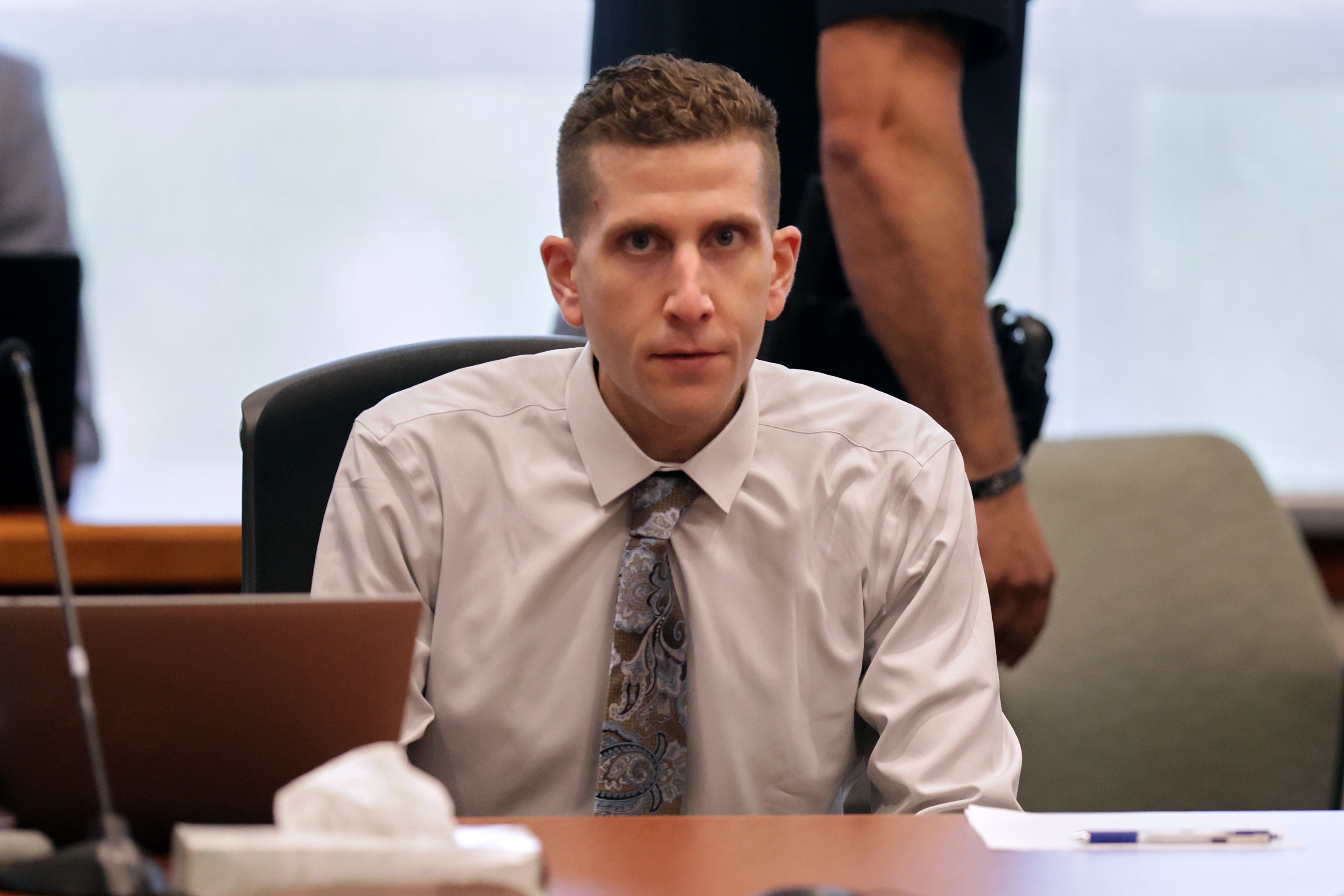 Bryan Kohberger, who last year pleaded guilty to murdering four college students, maintained his innocence in a new statement (Getty)
Getty
Bryan Kohberger, who last year pleaded guilty to murdering four college students, maintained his innocence in a new statement (Getty)
Getty
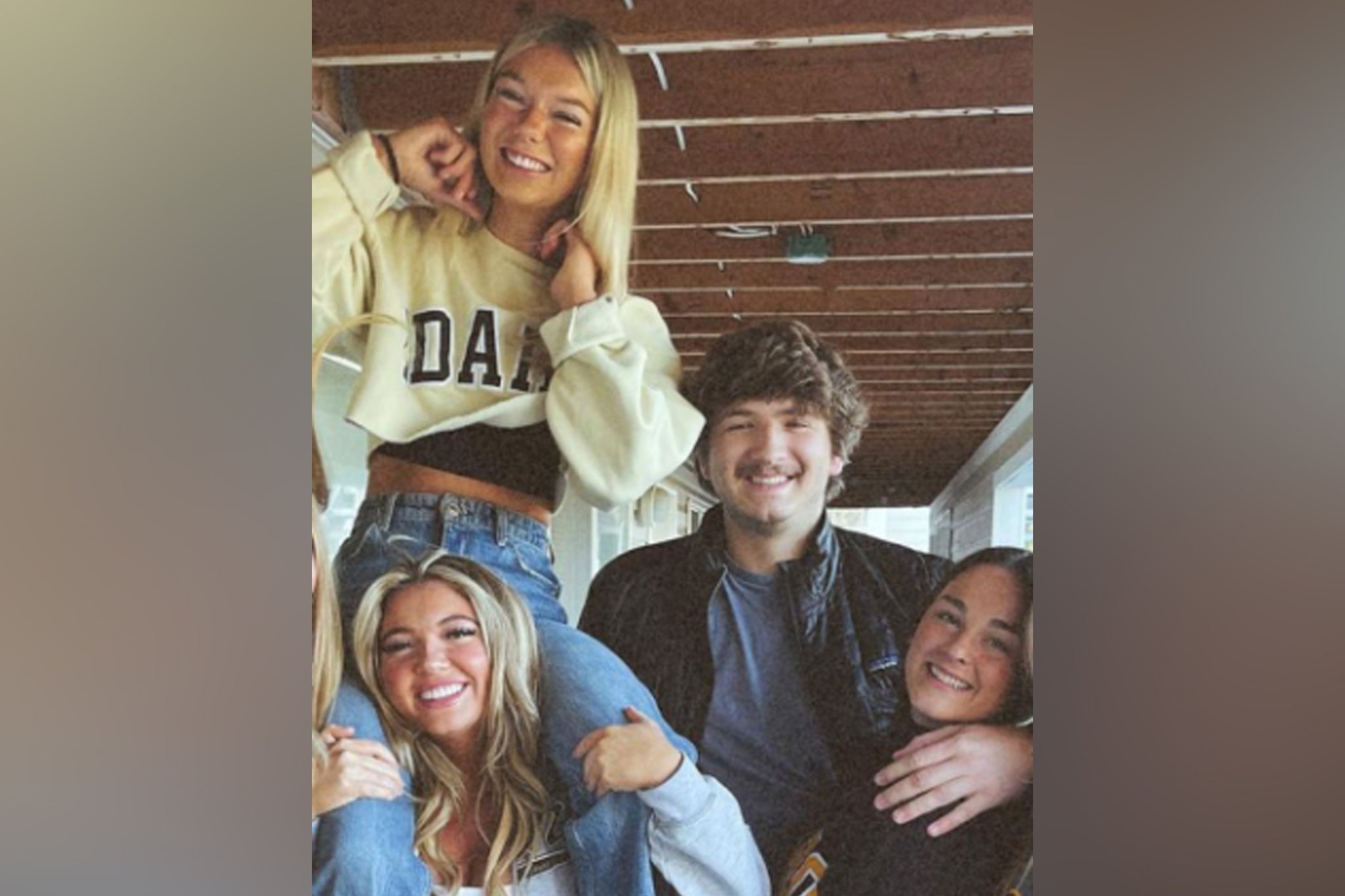 Madison Mogen (pictured top left), Kaylee Goncalves (pictured bottom left), Ethan Chapin (pictured center) and Xana Kernodle (pictured right) (Instagram)
Instagram
Madison Mogen (pictured top left), Kaylee Goncalves (pictured bottom left), Ethan Chapin (pictured center) and Xana Kernodle (pictured right) (Instagram)
Instagram
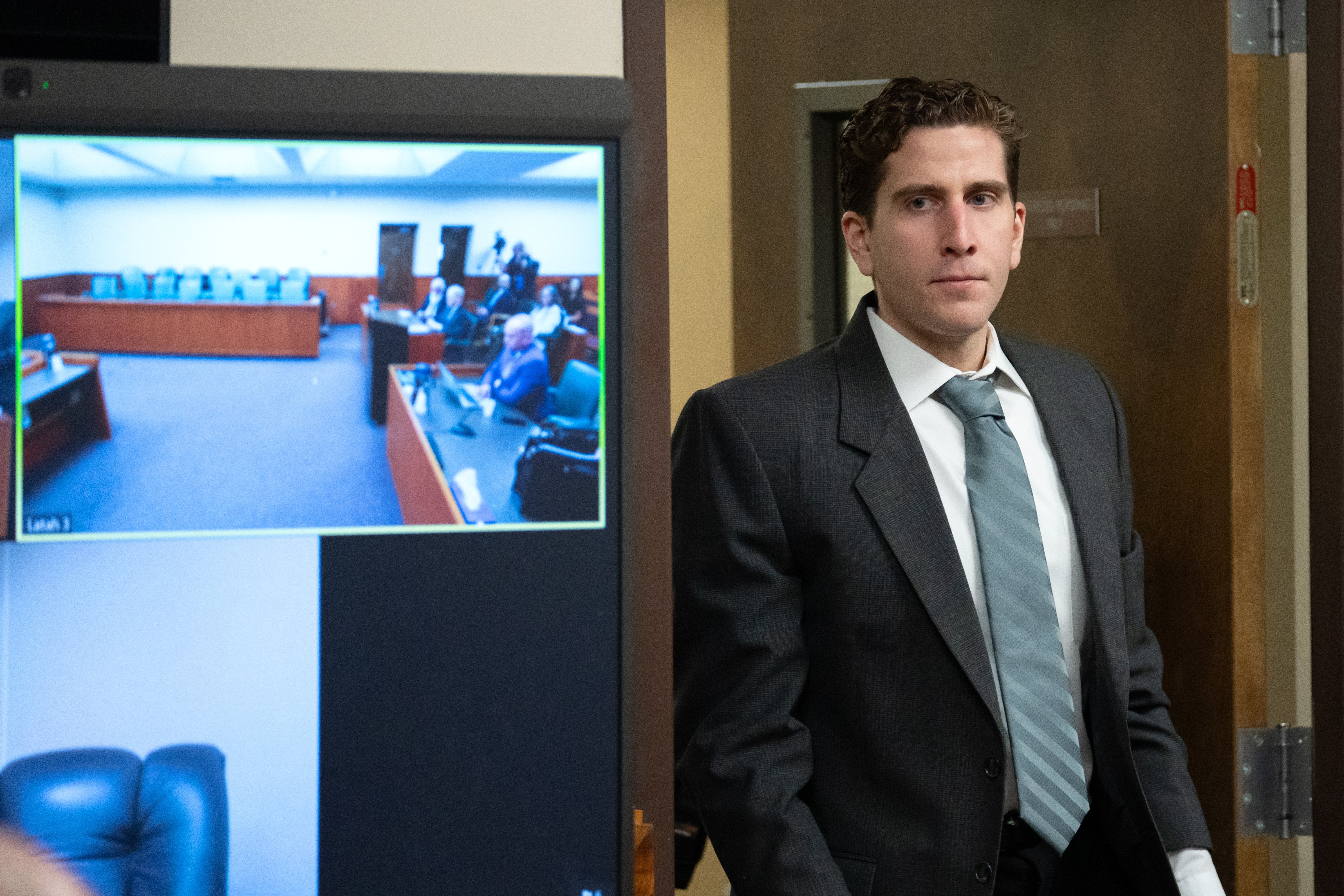 Kohberger, pictured in 2023, had initially refused to enter a plea in the murders of Madison Mogen, Kaylee Goncalves, Ethan Chapin and Xana Kernodle – he later entered a guilty plea in exchange for taking the death penalty off the table (Getty)
Getty
Kohberger, pictured in 2023, had initially refused to enter a plea in the murders of Madison Mogen, Kaylee Goncalves, Ethan Chapin and Xana Kernodle – he later entered a guilty plea in exchange for taking the death penalty off the table (Getty)
Getty
Bryan Kohberger, the former criminology student serving four consecutive life sentences for the 2022 murders of four University of Idaho students, says he wants to withdraw the guilty plea that spared him the death penalty. According to The Independent, Kohberger issued a statement on Monday arguing he was “duped” into confessing and now wants the case reopened so it can be tested at trial.
Kohberger’s move runs into the basic architecture of plea bargaining: the state trades certainty for speed, and the defendant trades risk for finality. His July 2025 plea included waiving the right to appeal and parole, a set of concessions designed to make the outcome durable. But Kohberger is trying to frame his filing as something other than an appeal—an attempt to “open the case” without violating the deal’s terms—while alleging “false promises” and “blatant disinformation” in the negotiations, and pointing broadly to discovery, the probable cause affidavit, and what he calls a “broken plea.”
Courts generally treat plea withdrawals after sentencing as exceptional, because allowing easy reversals would turn plea deals into reversible options rather than binding settlements. That is why defendants typically have to show more than regret: they need a procedural defect, ineffective assistance of counsel, or evidence that the plea was not knowing and voluntary. Kohberger, in the reporting, declines to discuss the evidence in detail, including in a phone interview with the New York Times cited by The Independent, while insisting that “unanswered questions” have multiplied as material has been unsealed.
For the victims’ families, the practical stakes are not abstract. A plea deal ended the prospect of a contested trial, with its months of testimony, expert battles, and potential appeals. The Goncalves family, one of the four families, argues that Kohberger admitted guilt “knowingly, voluntarily, and intelligently” in court with four lawyers and a judge present, and calls the new effort a waste of time and taxpayer money, while also saying it is ready for a trial if one happens.
Idaho’s attorney general, Raúl Labrador, told The Independent his office is prepared to ensure the sentence is carried out, a reminder that the state’s interest in finality is not just emotional but administrative. If Kohberger’s filing forces extended litigation, the system pays twice: once to secure the plea, and again to defend it.
The murders took place in an off-campus house in Moscow, Idaho, a town that had not seen a homicide in years before November 2022. Kohberger now says “justice was not served” in State v. Kohberger, even though the deal he signed was designed to end the case.