
Netanyahu heads to Washington to meet Trump
First face-to-face since Iran conflict escalated, US pause in bombing leaves Israel warning of its own response
Images
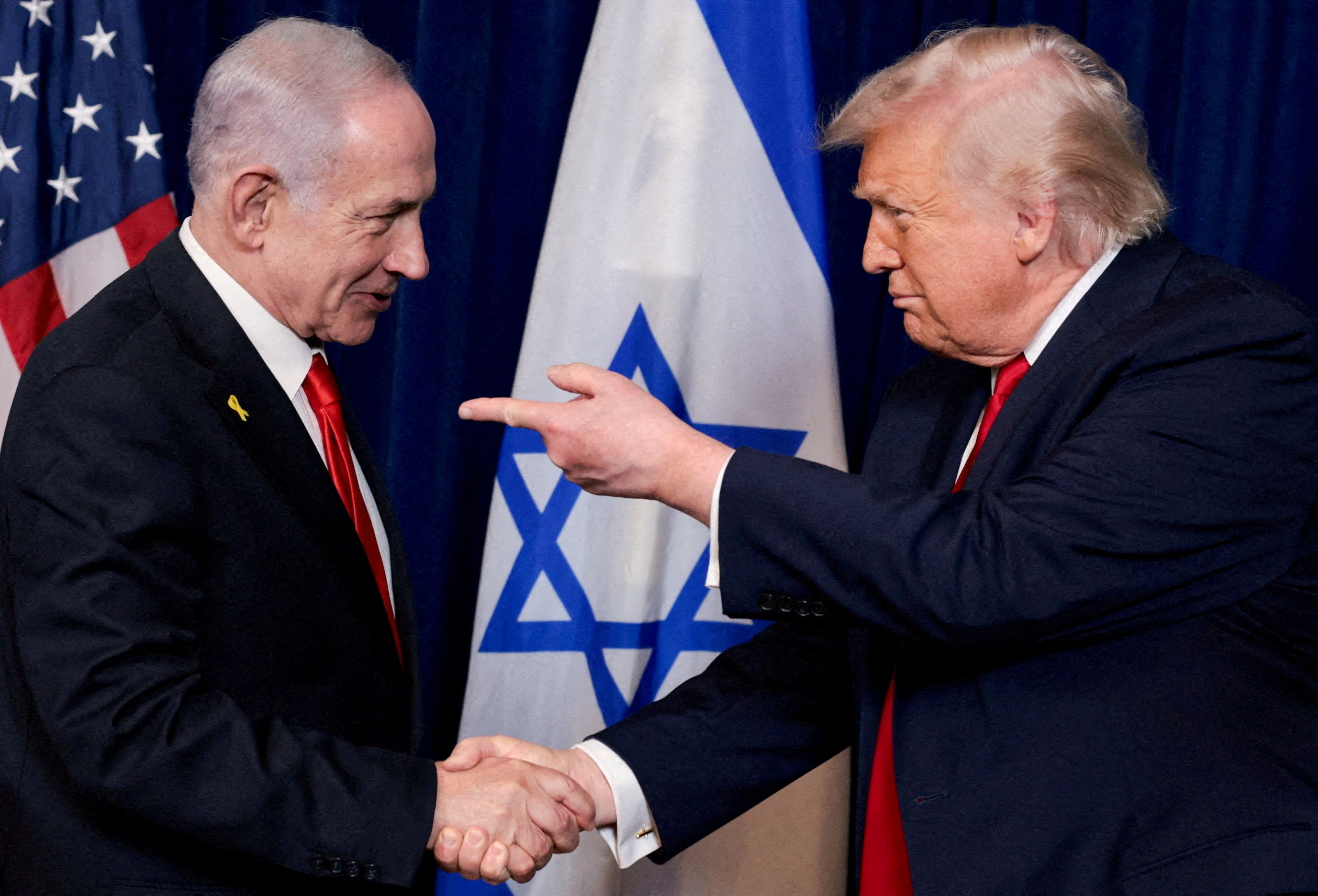 President Donald Trump points his finger towards Israeli Prime Minister Benjamin Netanyahu as they shake hands during a press conference after meeting at Trump’s Mar-a-Lago club in Palm Beach, Florida, U.S., December 29, 2025 (Reuters)
Reuters
President Donald Trump points his finger towards Israeli Prime Minister Benjamin Netanyahu as they shake hands during a press conference after meeting at Trump’s Mar-a-Lago club in Palm Beach, Florida, U.S., December 29, 2025 (Reuters)
Reuters
 Vessels in the Strait of Hormuz near the beach of Bandar Abbas in Iran on July 27 (Reuters)
Reuters
Vessels in the Strait of Hormuz near the beach of Bandar Abbas in Iran on July 27 (Reuters)
Reuters
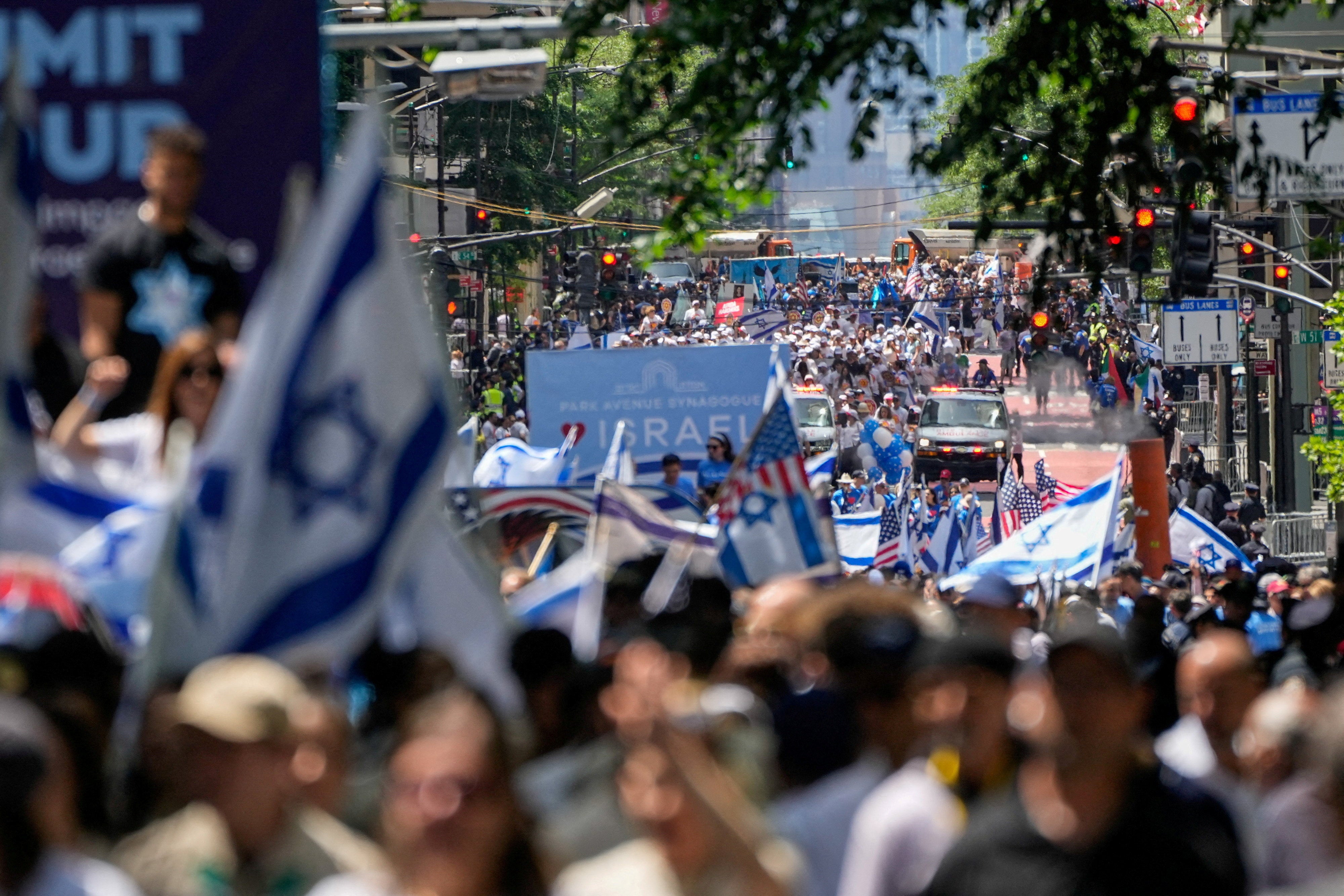 People march during the "Israel Day on Fifth" parade in New York City in May of this year (Reuters)
Reuters
People march during the "Israel Day on Fifth" parade in New York City in May of this year (Reuters)
Reuters
Israel’s prime minister Benjamin Netanyahu left for Washington on Monday saying Iran would be the top item when he meets US President Donald Trump. It will be the pair’s first face-to-face talks since the latest phase of the US-Iran conflict, and Netanyahu’s eighth meeting with Trump since Trump returned to office, according to Reuters.
The visit lands as Washington and Tehran sit in a tactical pause after a two-week US bombing campaign that Trump halted over the weekend. Iran has said it will suspend its own attacks for as long as the US pause endures, while Israel has warned Tehran that any attack would trigger a forceful Israeli response. That combination—an American pause, an Iranian conditional pause, and an Israeli promise of escalation—creates a narrow corridor where a single strike on a base, ship, or proxy target can force leaders back into public commitments they may be trying to avoid.
Netanyahu’s trip also highlights a recurring feature of the conflict: Israel can shape the political framing in Washington even when it is not the actor dropping the bombs. Reuters reports Israel did not take part in the two-week US campaign earlier in the month, yet the consequences—Tehran firing on US bases—fell directly on American troops and American air-defense stockpiles. When the costs are paid in US casualties and munitions, the question for US decision-makers becomes less about solidarity and more about who controls the tempo, and who owns the blowback.
Both leaders have domestic calendars that reward hardness and punish drift. Netanyahu faces an election on October 27 and is struggling in opinion polls, Reuters notes, and a high-profile White House meeting can serve as a substitute for a clear battlefield outcome. Trump, for his part, has been navigating visible friction with Netanyahu; Reuters recounts that in June Trump called Netanyahu “fucking crazy” in a phone call that leaked and was later publicly confirmed. The fact that the meeting is happening anyway suggests neither side can afford a clean break—only a renegotiation of terms.
The political environment in the United States is also shifting. Reuters points to falling support for Israel and cites an AP-NORC poll showing a generational divide among Jewish adults over Israel’s centrality to identity, with younger Jewish Americans reporting less emotional connection. That kind of drift does not change policy overnight, but it does change how long a US administration can sustain open-ended commitments without offering a definable endpoint.
Before boarding his flight, Netanyahu said the goal was to protect Israeli security and “expand the circle of peace” around Israel. He is arriving in Washington at a moment when the circle is being redrawn by pauses, redeployments, and threats that can be reversed faster than they can be explained.
Netanyahu’s last meeting with Trump was in February, Reuters reports, shortly before Israel and the United States launched a joint aerial campaign against Iran.