
Nesrine Malik: Trump Iran war locks US into chokepoint bargaining
Islamabad Memorandum sets 60-day talks window, fuel prices and casualty accounting move faster than diplomacy
Images
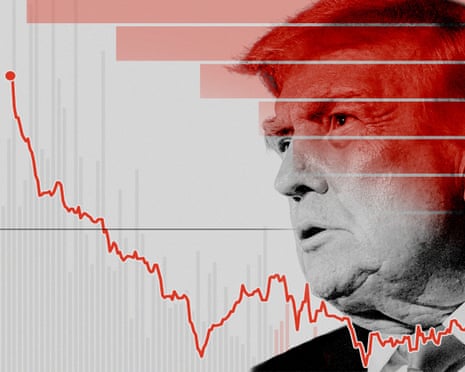 Composite: Guardian Design, Julia Demaree Nikhinson/AP
theguardian.com
Composite: Guardian Design, Julia Demaree Nikhinson/AP
theguardian.com
 Nesrine Malik
theguardian.com
Nesrine Malik
theguardian.com
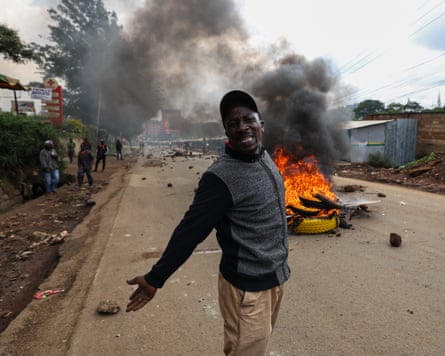 Protesters set tyres alight during a nationwide transport strike over rising fuel prices in Nairobi, Kenya, 18 May 2026. Photograph: Daniel Irungu/EPA
theguardian.com
Protesters set tyres alight during a nationwide transport strike over rising fuel prices in Nairobi, Kenya, 18 May 2026. Photograph: Daniel Irungu/EPA
theguardian.com
Donald Trump’s Iran war is only five months old, but it already has a name for its exit ramp: the Islamabad Memorandum, signed last month by the US and Iran, which sets a 60-day window to negotiate final terms, Nesrine Malik writes in The Guardian. The same column describes an expanded US air campaign as a “major military punishment”, while Iran has hit US base targets across the region.
Malik’s account sketches a conflict that spreads through infrastructure and logistics rather than front lines. Iran’s leverage is geographic as much as military: it controls the Strait of Hormuz, and the piece argues Trump cannot end the war without Iran relinquishing that control, yet also cannot simply withdraw on terms that restore the prewar status quo. The Houthis, Malik notes, have claimed a blockade over a second shipping chokepoint, extending the pressure from the Gulf into the Red Sea and widening the set of actors who can impose costs on global trade.
The economic spillovers in the column are presented as the war’s most immediate export. Oil prices broke $100 a barrel last week, Malik writes, with Brent almost 40% higher than before the war. In the US, the piece cites gasoline up 37% and diesel up 40% compared with prewar levels; in the UK, pump prices are described as having risen nearly 50% in the current month, with a roughly two-week lag between crude moves and retail prices. Malik also points to Iran striking desalination plants in Gulf countries, turning the conflict into a direct constraint on drinking-water supply, and frames the result as a broader “global energy re-configuration” that hits consumption patterns and government budgets.
Inside Washington, Malik describes a familiar mismatch between battlefield accounting and political messaging. The column says 18 US troops have died so far, alongside outrage over the Pentagon appearing to undercount deaths. It also cites an almost $40 billion price tag already incurred, with the Pentagon seeking an additional $67 billion, against a White House fiscal-year request to Congress of $1.5 trillion. Trump is quoted as having complained earlier in the year that fighting wars makes it impossible to fund domestic programs such as daycare, Medicaid and Medicare.
Malik’s argument is that the remaining options are all expensive: accepting Iran’s chokepoint leverage, escalating with “boots on the ground” into a long campaign, or trying to negotiate without being able to return to the old baseline. The memorandum’s 60-day clock is running while fuel prices move on a two-week delay.
The war has a negotiation timetable, a casualty count and a budget request. It also has a shipping chokepoint that cannot be appropriated by a press conference.