
Gunfire at Seattle food festival kills three
Police detain one suspect and hunt for a second, nearby institutions close and refund as public events absorb security risk
Images
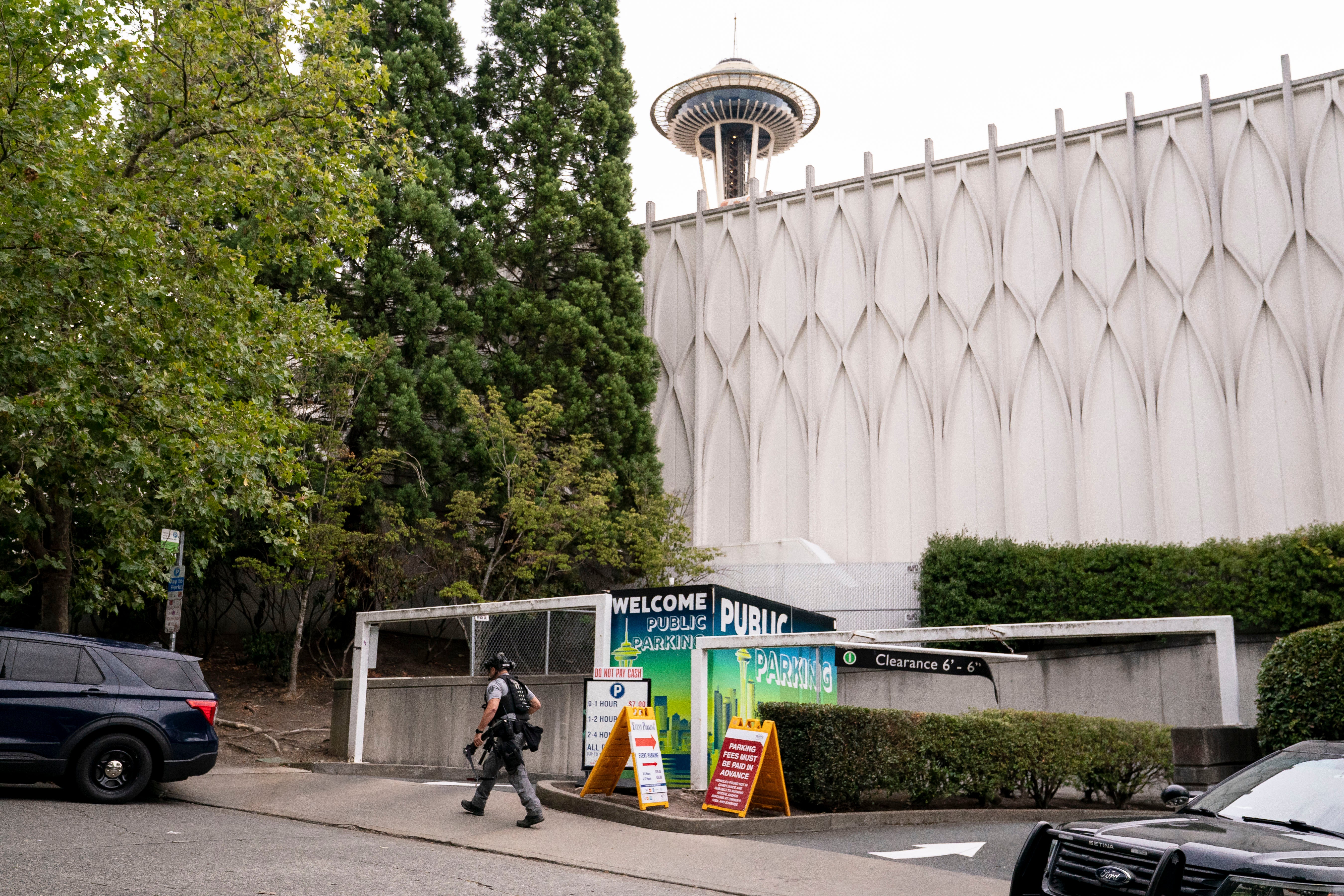 A police officer walks on patrol after a mass shooting at the Bite of Seattle food festival on 26 July 2026 in Seattle, Washington (Getty)
Getty
A police officer walks on patrol after a mass shooting at the Bite of Seattle food festival on 26 July 2026 in Seattle, Washington (Getty)
Getty
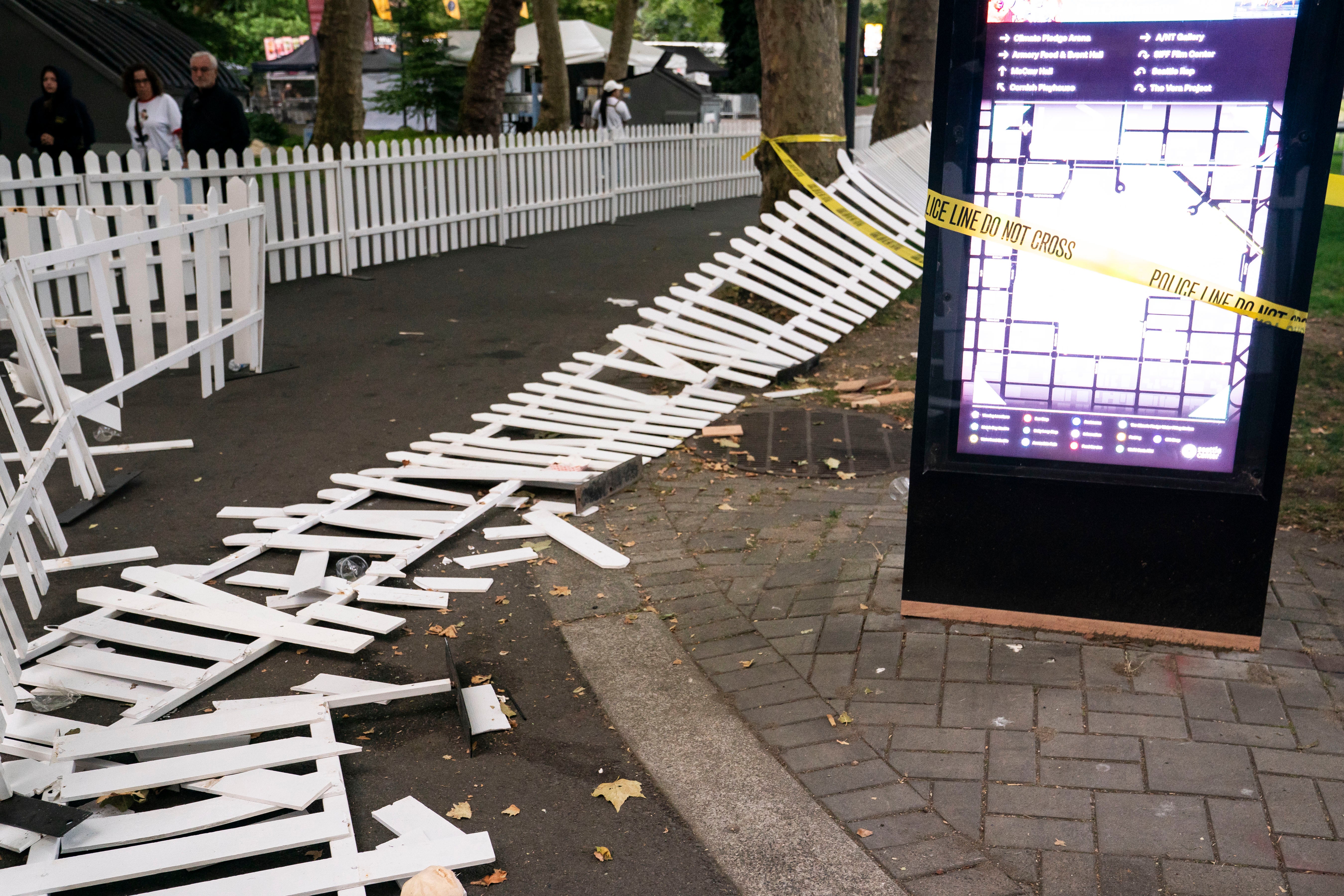 Police tape cordon off the location of a mass shooting at the Bite of Seattle food festival on 26 July 2026 in Seattle, Washington (Getty)
Getty
Police tape cordon off the location of a mass shooting at the Bite of Seattle food festival on 26 July 2026 in Seattle, Washington (Getty)
Getty
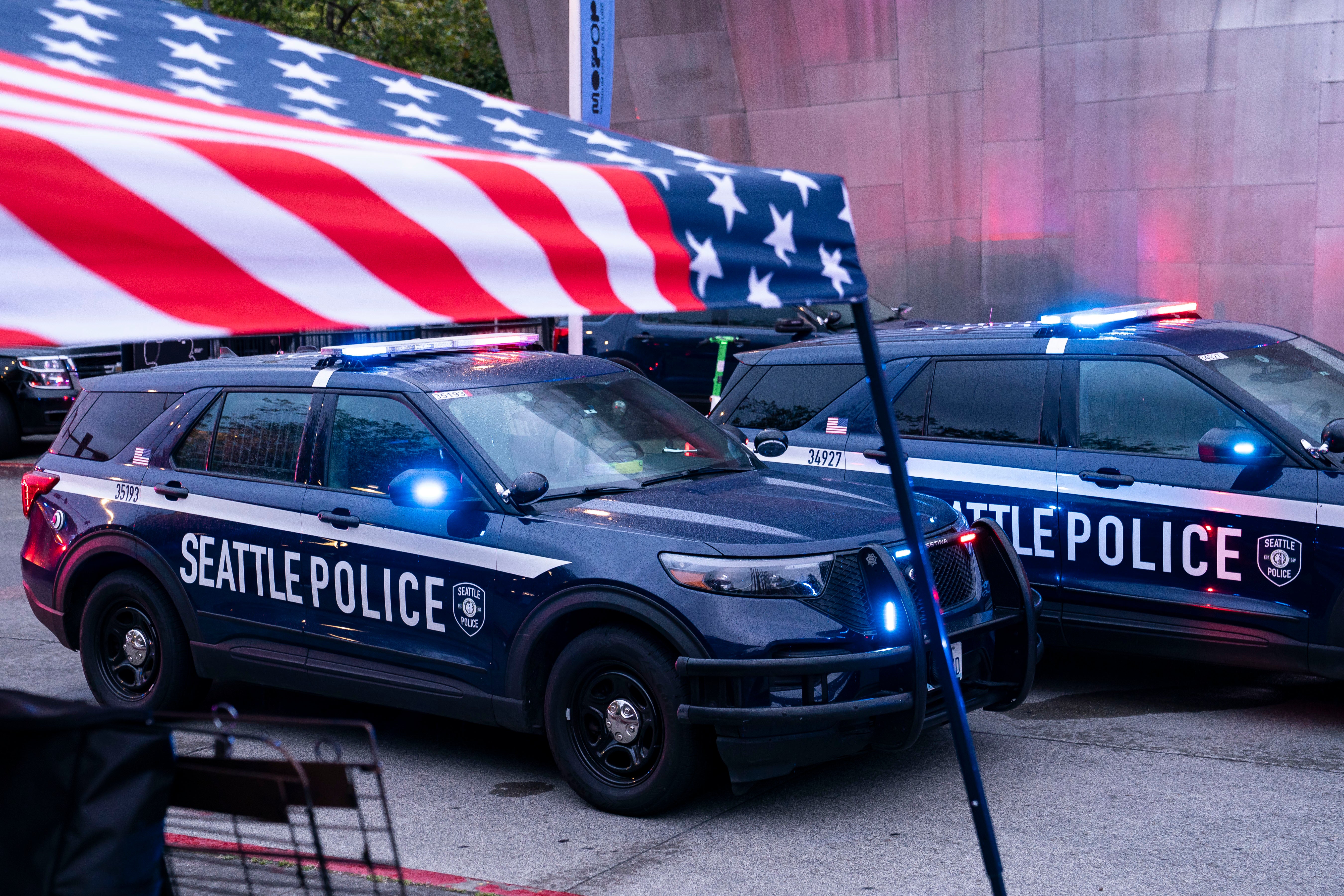 Police vehicles are parked next to a vendor tent following a mass shooting at the Bite of Seattle food festival on 26 July 2026 in Seattle, Washington (Getty)
Getty
Police vehicles are parked next to a vendor tent following a mass shooting at the Bite of Seattle food festival on 26 July 2026 in Seattle, Washington (Getty)
Getty
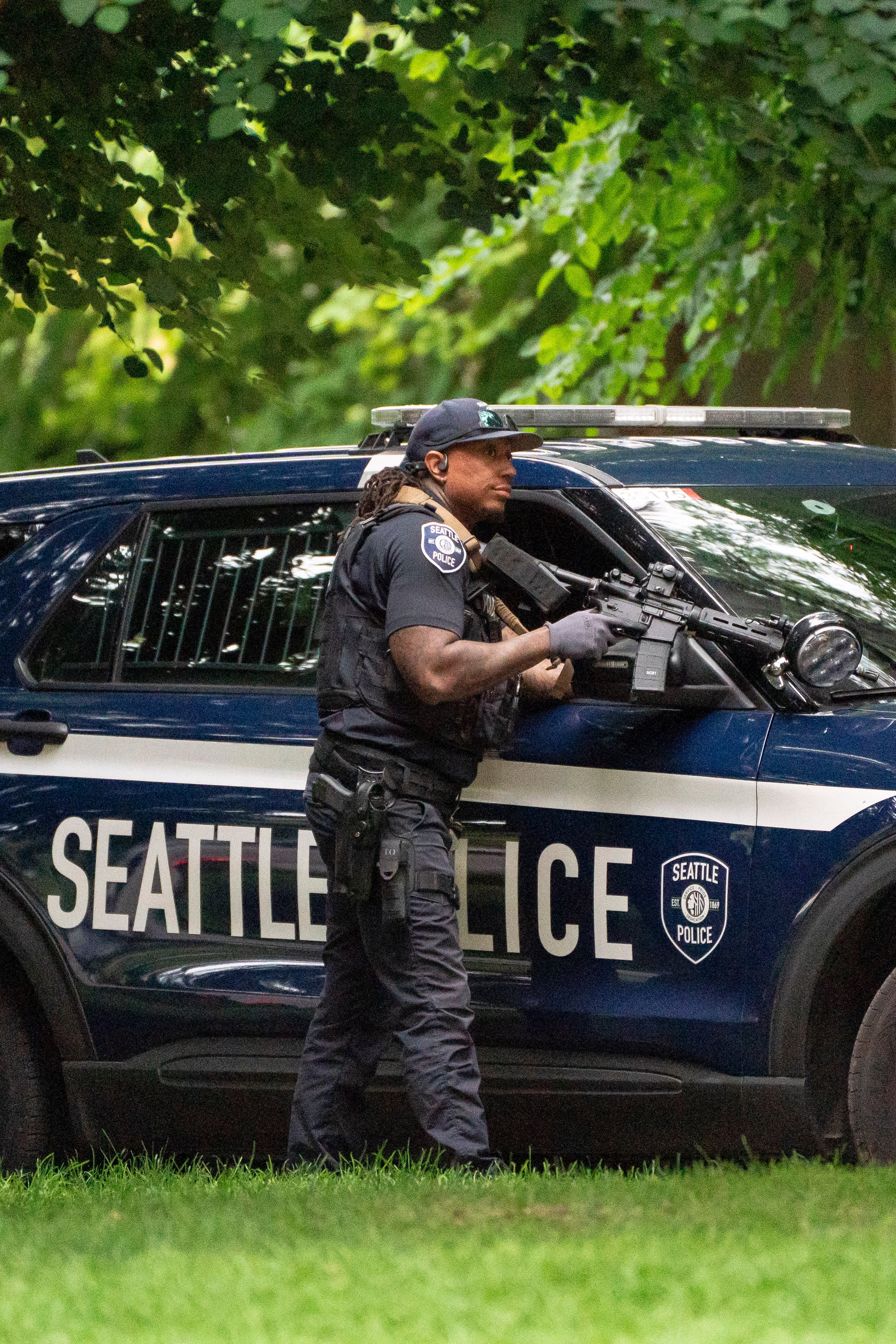 A police officer holds a weapon behind a police vehicle after a mass shooting at the Bite of Seattle food festival on 26 July 2026 in Seattle, Washington (Getty)
Getty
A police officer holds a weapon behind a police vehicle after a mass shooting at the Bite of Seattle food festival on 26 July 2026 in Seattle, Washington (Getty)
Getty
Three people were killed and several others wounded when gunfire broke out at the Bite of Seattle food festival at Seattle Center on 26 July, according to The Independent. Police said one suspect was taken into custody soon after the shooting, while a second person was sought as officers described what they believed was an exchange of gunfire between two individuals.
The shooting took place around early evening as thousands of visitors were at the festival on its final day, turning a public event into a mass-casualty scene within minutes. Witness accounts cited in the report ranged from “seven to eight shots” to “at least two dozen,” a familiar problem for investigators trying to reconstruct fast-moving violence from panicked crowds and partial video. Emergency medical response became the first visible measure of state capacity: the Seattle Fire Department transported victims to hospitals while police sealed off the area near one of the city’s most visited landmarks.
The immediate institutional response also showed how quickly civic life now builds contingencies around sudden violence. The Pacific Science Center, located on the same campus, announced it would remain closed the following day, cancelling admissions and shows and offering automatic refunds. That kind of operational shutdown is not a policy debate about guns so much as a cost imposed on nearby institutions: lost revenue, disrupted schedules, and a duty-of-care decision made under uncertainty.
Police messaging, as reported by The Independent, focused on reassurance—an assistant police chief said there was no outstanding threat to the community—while also acknowledging that a second suspect had fled. The article notes that identities and motives had not been released, leaving the public with the basic ledger of outcomes: deaths, injuries, and a suspect count that may change as investigators sort out who fired and why.
In the short term, the burden falls on victims and bystanders, including those who were injured in the crush to escape. In the longer term, the event adds another entry to a pattern in which public gatherings must be planned not only for crowd control and weather, but for the possibility that a dispute escalates into gunfire before police can intervene.
The shooting happened at a food festival beside the Space Needle, and the next day a science museum on the same grounds cancelled its programming and processed refunds.