
Andy Burnham targets UK welfare rules
Benefits made conditional as sickness claims surge, social care overhaul promised without a timetable
Images
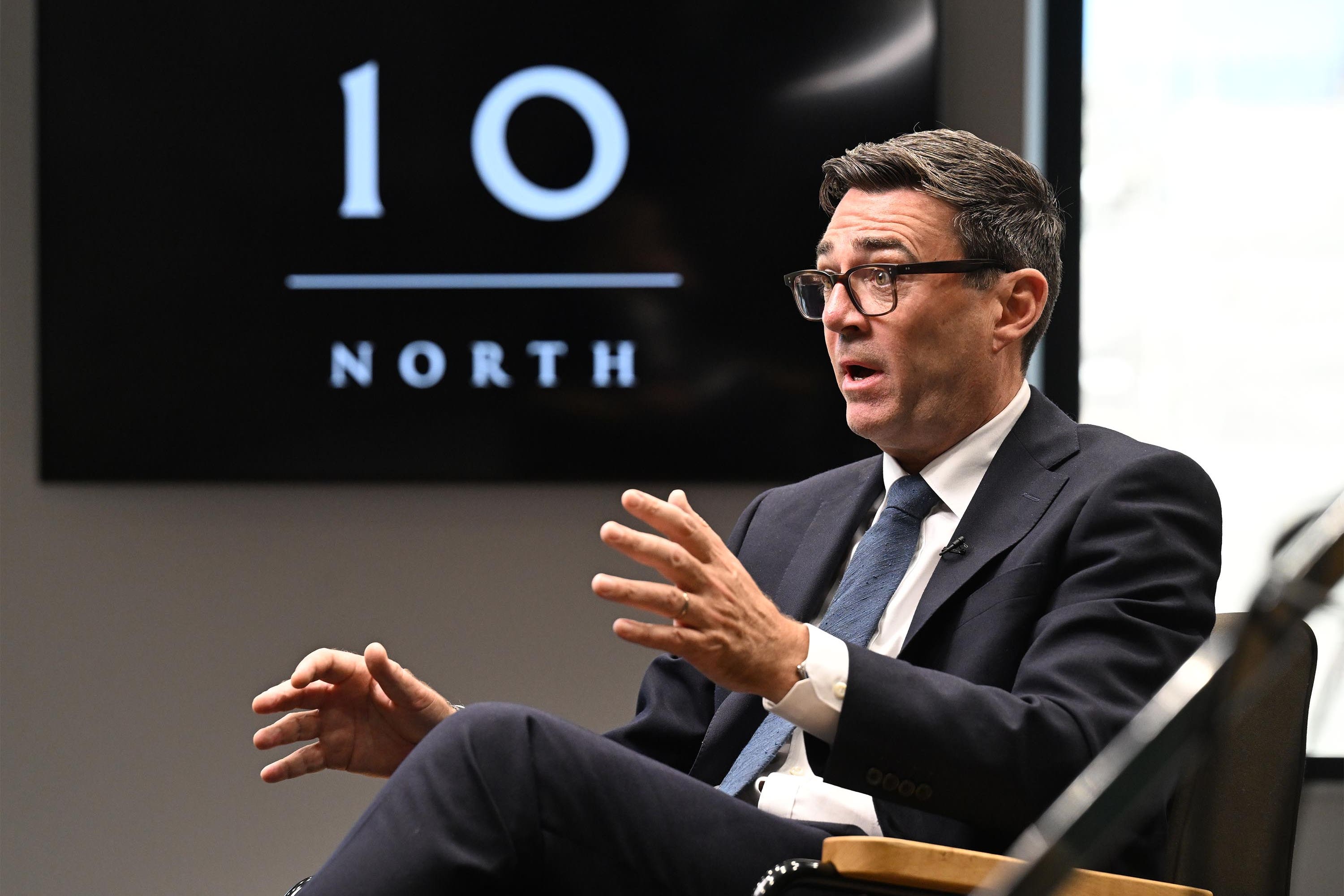 Prime Minister Andy Burnham (Jeff Overs/BBC/PA) (PA Media)
PA Media
Prime Minister Andy Burnham (Jeff Overs/BBC/PA) (PA Media)
PA Media
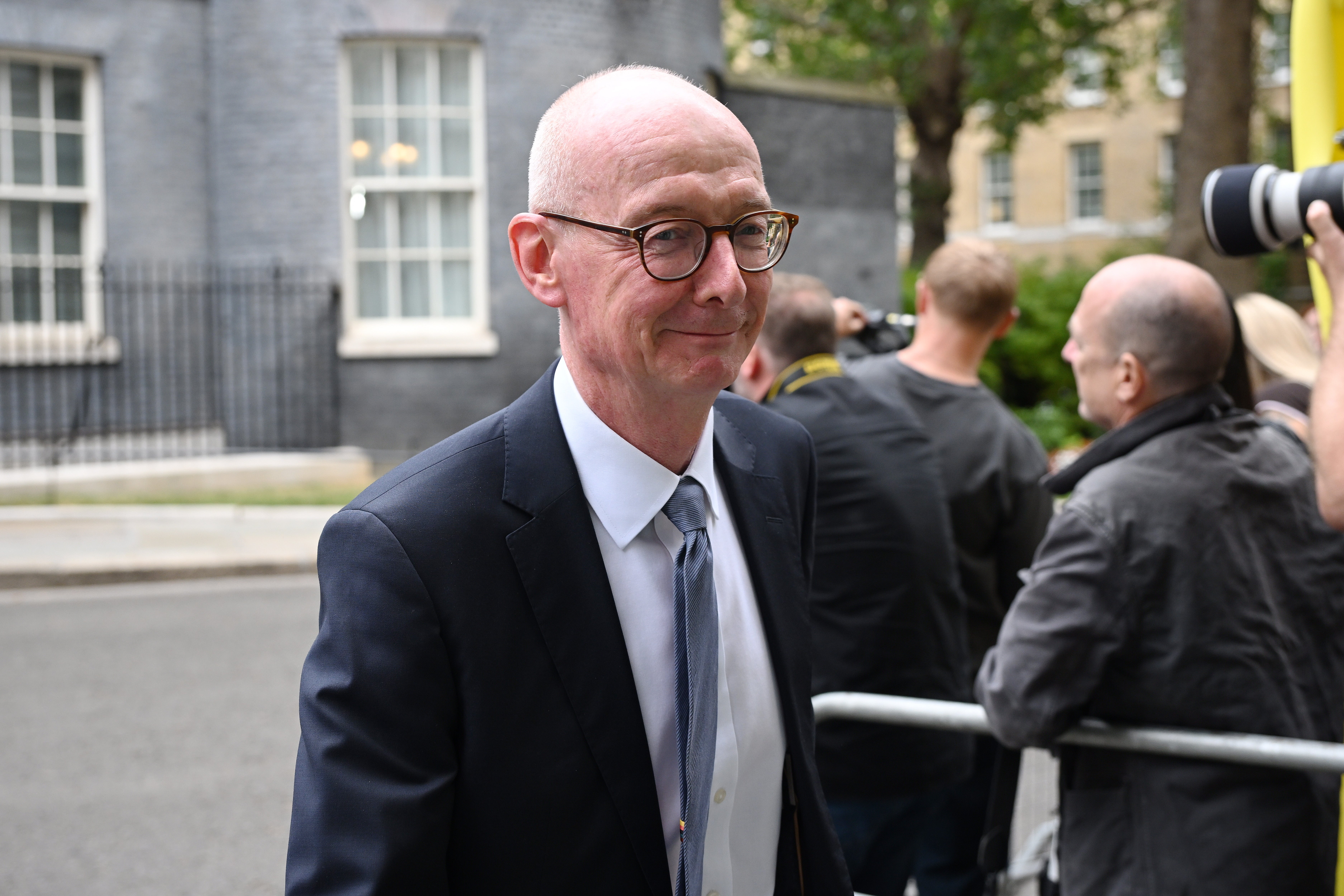 Pat McFadden is still work and pensions secretary (Getty)
Getty
Pat McFadden is still work and pensions secretary (Getty)
Getty
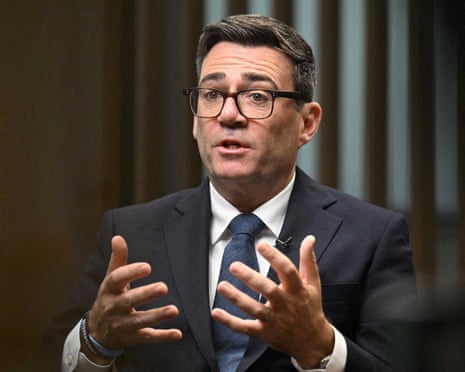 Andy Burnham told the BBC he would ‘go as quickly as I can on the reform of social care’. Photograph: Jeff Overs/Reuters
theguardian.com
Andy Burnham told the BBC he would ‘go as quickly as I can on the reform of social care’. Photograph: Jeff Overs/Reuters
theguardian.com
In his first full interview since entering Downing Street last week, UK prime minister Andy Burnham said ministers could tighten conditions for receiving benefits and that the country must “get really serious” about reducing the welfare bill. Burnham also warned that without rapid action on social care, the NHS could “effectively collapse,” linking benefit reform to a wider attempt to stop hospitals becoming the backstop for problems that start elsewhere.
According to The Independent and the London Standard, Burnham’s message is that support will be reshaped rather than simply cut: some benefits, including mental health-related support, would become conditional on claimants taking work or “opportunities” offered. He argued that mental health help should be provided “in work,” framing employment as both a test of eligibility and a delivery channel for support. That approach shifts the administrative problem from assessing need to monitoring compliance, which tends to grow the role of jobcentres, contractors and reporting requirements even when headline spending is meant to fall.
The politics are already mapped out. Burnham’s predecessor Keir Starmer retreated from planned welfare savings after a backbench rebellion, and Burnham has kept Pat McFadden as work and pensions secretary while removing other cabinet ministers, signalling that benefits policy is where the government intends to spend its political capital. The Independent reports that messages between McFadden and former Labour peer Peter Mandelson showed irritation at MPs asking “who can we tax in order to pay benefits to others,” a private complaint that sits uneasily with public assurances that claimants will not be “demonised.”
The fiscal case is being built with numbers that are hard to ignore. The Standard reports that the number of people in England and Wales claiming personal independence payment has passed four million for the first time, roughly doubling since 2019, with spending forecast to rise to more than £41 billion by the end of the decade. At the same time, Burnham is looking for ways to fund a higher defence posture, with The Independent citing a search for up to £13 billion to meet a target of 3% of GDP on defence. In that context, welfare reform becomes less a philosophical pivot than a hunt for large, politically reachable budgets.
Social care is the other budget that refuses to stay in its lane. The Guardian notes Burnham’s argument that social care costs the NHS billions because people who cannot be supported at home end up in hospital beds, worsening waiting times and consuming staff time. Yet social care remains means-tested and expensive, with the Standard noting that people with savings above a set threshold are not entitled to local council help and may have to sell their homes to pay. Moving costs out of hospitals and into social care can reduce pressure on the NHS while increasing the visibility of who pays, which is where governments tend to stall.
Burnham said he would move “as quickly as possible” on social care but offered no timetable, and he ruled out seeking a fresh mandate via an early election. For now, the concrete plan is to make more support conditional while the government waits for final recommendations from two reviews on disability benefits and youth unemployment due later in the year.
Burnham has promised “substantial change” without saying what the new system will be. The first lever he has identified is the benefits office.