
Mexican journalists face wave of killings in 2026
El País counts at least seven murders in six months, reported threats bring paperwork but not protection
Images
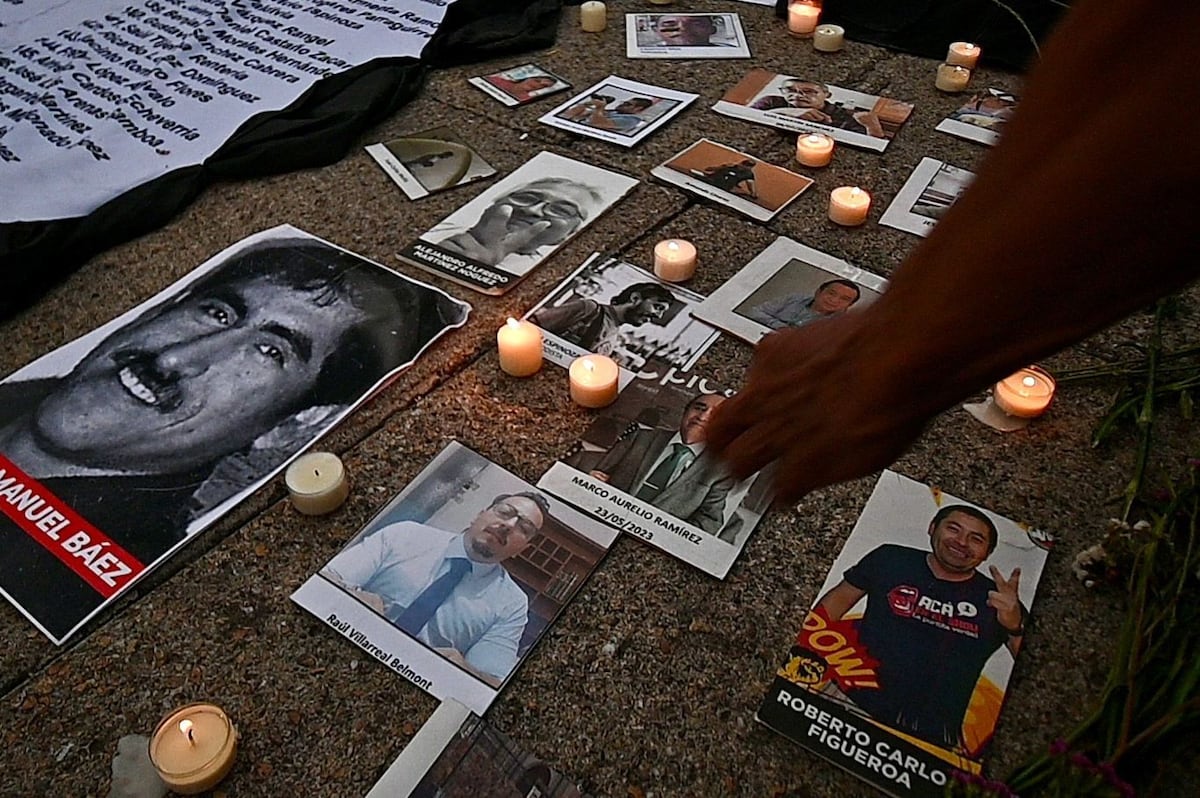 Half a year of terror for Mexico’s press
english.elpais.com
Half a year of terror for Mexico’s press
english.elpais.com
Seven journalists are killed in Mexico in early 2026, El País reports a string of murders across Oaxaca Puebla Guerrero and Veracruz, protective measures fail to materialise even after threats are reported
At least seven journalists were murdered in Mexico in the first six months of 2026, according to an El País review of cases, adding a parallel body count to the killings of local politicians already reshaping municipal life. The latest death highlighted by the paper is Francisco Alejandro Leyva Aguilar, a veteran columnist who was shot on July 22 while eating at a taco stand in San Pablo Etla in the southern state of Oaxaca. Leyva had previously reported receiving death threats to both state and federal authorities in 2025, El País writes. No protective measures were implemented.
The pattern in the cases El País describes is less a single national story than a series of local disputes in which reporters become the only visible brake on cash extraction by officials and criminal groups. In Puebla, Josué Martínez Contreras, 39, was killed on July 16 in San Lucas Atoyatenco, in the municipality of San Martín Texmelucan; his 13-year-old son was present and called emergency services. El País notes that Martínez Contreras had posted a video in November 2025 describing harassment by local authorities after he reported unauthorised connections to the municipal water system and a lack of transparency over water-service fees. In that video, he said the municipal president and personnel from Mexico’s National Water Commission, Conagua, accused him of unpaid bills; he produced receipts showing payment and said he was forced to pay a “fine” of 6,000 pesos.
That kind of conflict is structurally hard to police from the capital. Water fees, market permits, municipal taxes and construction approvals are small numbers compared with national budgets, but they are steady, locally enforced and often opaque. When a reporter documents who collects the money and how, the risk is immediate and personal, while the state’s response is procedural and slow. Reporters Without Borders’ Latin America director Artur Romeu is quoted by El País criticising a routine cycle in which authorities announce investigations after each killing without producing accountability or durable protection.
Other cases in the first half of the year span the same geography of fragmented authority. Manuel Alejandro Moreno Serna, described by El País as an independent journalist and environmental activist, was murdered on July 3 in Zihuatanejo, Guerrero. In Veracruz, Roxana Berenice Guzmán, founder of the Facebook news page Pulso Informativo del Sureste, recorded her own kidnapping weeks before her body was found; El País says the attack was captured on video. The paper also lists the killings of Luis Ángel López Valdez in Poza Rica on June 11, Juan David Gámez in Nuevo León in March, and Carlos Castro in Poza Rica on January 8.
Mexico has long combined high levels of violence with formal press protections on paper, but these cases show how little protection is worth when it is not deployed before the shots are fired. Leyva’s reported threats were known to officials a year earlier. Martínez Contreras’ video left a timestamped record of a dispute over municipal revenue and enforcement power.
Leyva was killed in public while eating dinner. The only measure the state is confirmed to have taken in advance, according to El País, was to file his complaint.