
Children fall ill at New Jersey YMCA day camp
Police probe apparent mushroom laced chocolate shared among campers, emergency response arrives after the candy is already eaten
Images
 Police are investigating how a camper got their hands on the psychedelic chocolate bar (WABC)
WABC
Police are investigating how a camper got their hands on the psychedelic chocolate bar (WABC)
WABC
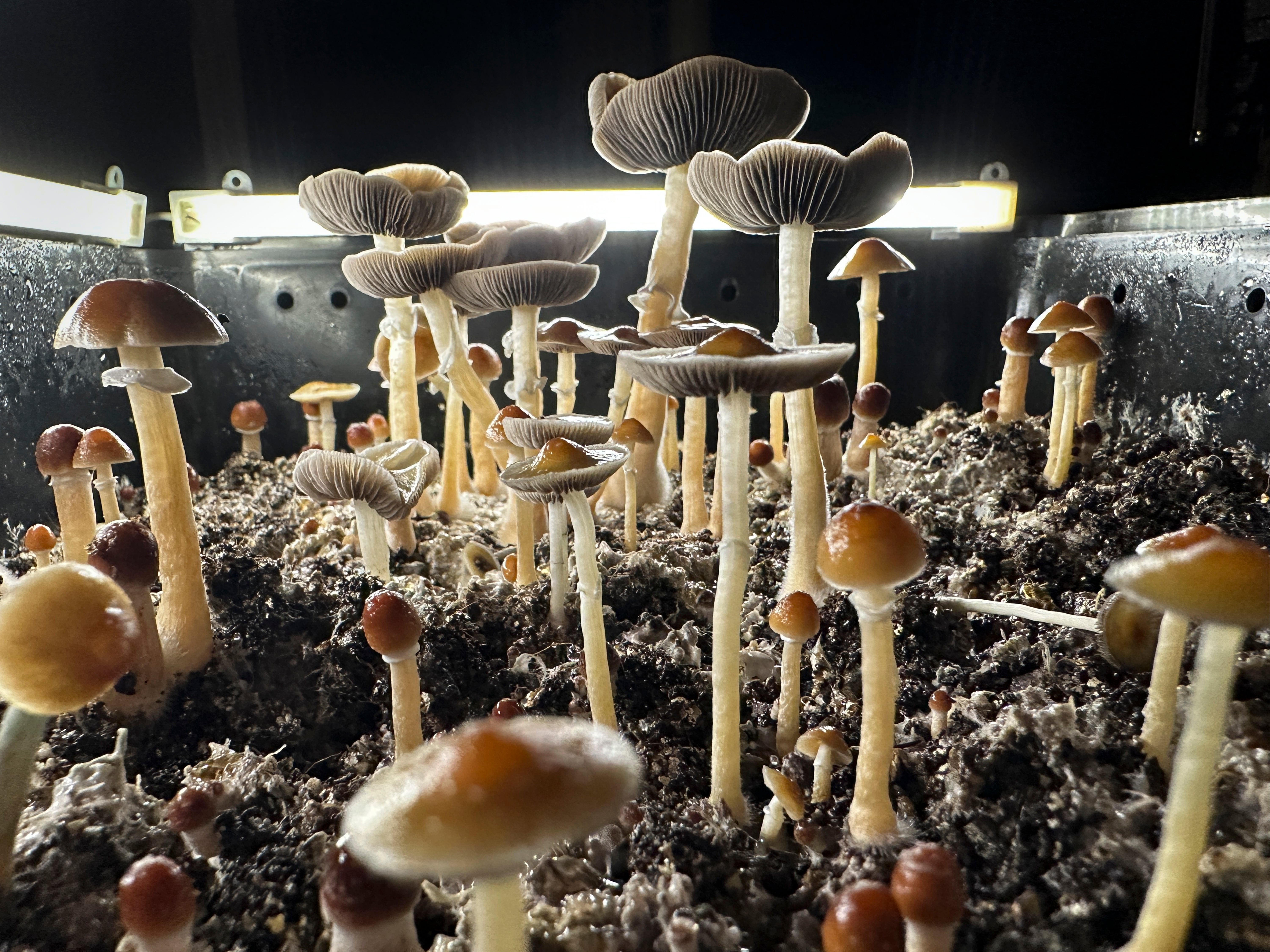 So-called magic mushrooms contain the hallucinogenic chemical psilocybin (Getty)
Getty
So-called magic mushrooms contain the hallucinogenic chemical psilocybin (Getty)
Getty
 Kids at New Jersey Camp Fed Mushroom-Laced Edibles
thedailybeast.com
Kids at New Jersey Camp Fed Mushroom-Laced Edibles
thedailybeast.com
A summer day camp in East Orange New Jersey sent more than a dozen children to medical care after a chocolate bar that appeared to contain psychedelic mushrooms was shared among campers, according to The Independent. Police and emergency medical personnel responded late morning after a counselor saw a child passing out what looked like candy; one child reported feeling unwell and others soon followed. Authorities said the children were in stable condition and that one child was transported to hospital as a precaution because of a pre-existing condition. A suspect was identified but no charges had been filed as of the weekend, with investigators still trying to determine whether any crime occurred.
The episode sits in the gap between household rules and the realities of a consumer drug market that increasingly mimics ordinary confectionery. The YMCA says campers are not allowed to share food, a policy that only works when staff can actually see what is being passed around and when children can reliably distinguish a branded sweet from an infused product. The Daily Beast reports the children were between 10 and 13, an age group old enough to circulate snacks socially but young enough to treat packaging and taste as secondary to peer dynamics. Once symptoms appeared, the system’s response was rapid—emergency protocols, calls to parents, police attendance—but it was also downstream: the key decisions had already been made by whoever brought the bar in.
New Jersey’s broader policy landscape adds another layer of ambiguity. The Independent notes that recreational use of psilocybin remains illegal in the US and that federal law still classifies it as a Schedule I drug, while the state is simultaneously moving toward a pilot program to study psilocybin for conditions such as PTSD and drug-resistant depression. That mix tends to produce a market where products circulate without the kind of standardized labeling and point-of-sale controls that exist for regulated goods, and where responsibility is fragmented between parents, camp operators, and law enforcement. For institutions like day camps, the practical question becomes less about the legality of a substance and more about the cost of preventing it from entering spaces designed for children—bag checks, stricter intake procedures, higher staffing ratios—measures that change the character and price of childcare.
For now, the concrete facts are limited: a child handed out what appeared to be candy, 13 children became ill, and investigators have not yet filed charges. The chocolate bar was enough to trigger ambulances and hospital visits, but not enough clarity to say who will be held accountable.