
US Energy Department admits grant cancellations tracked 2024 voting outcomes
Lawsuit over clean energy cuts forces disclosure, federal money becomes a partisan lever
Images
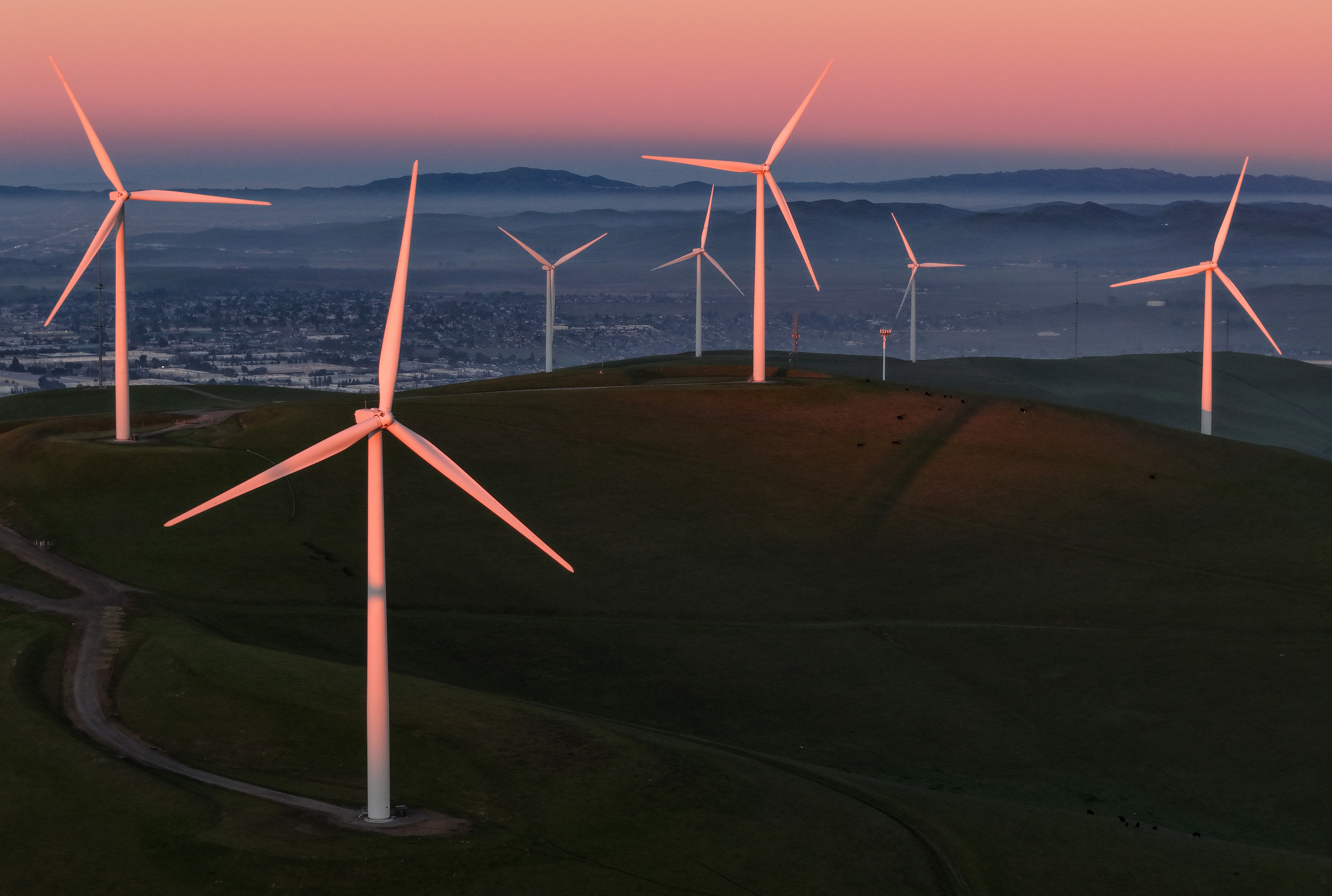 The Trump administration admitted to cutting billions in clean energy funding because projects were located in Democrat-led states (Getty)
Getty
The Trump administration admitted to cutting billions in clean energy funding because projects were located in Democrat-led states (Getty)
Getty
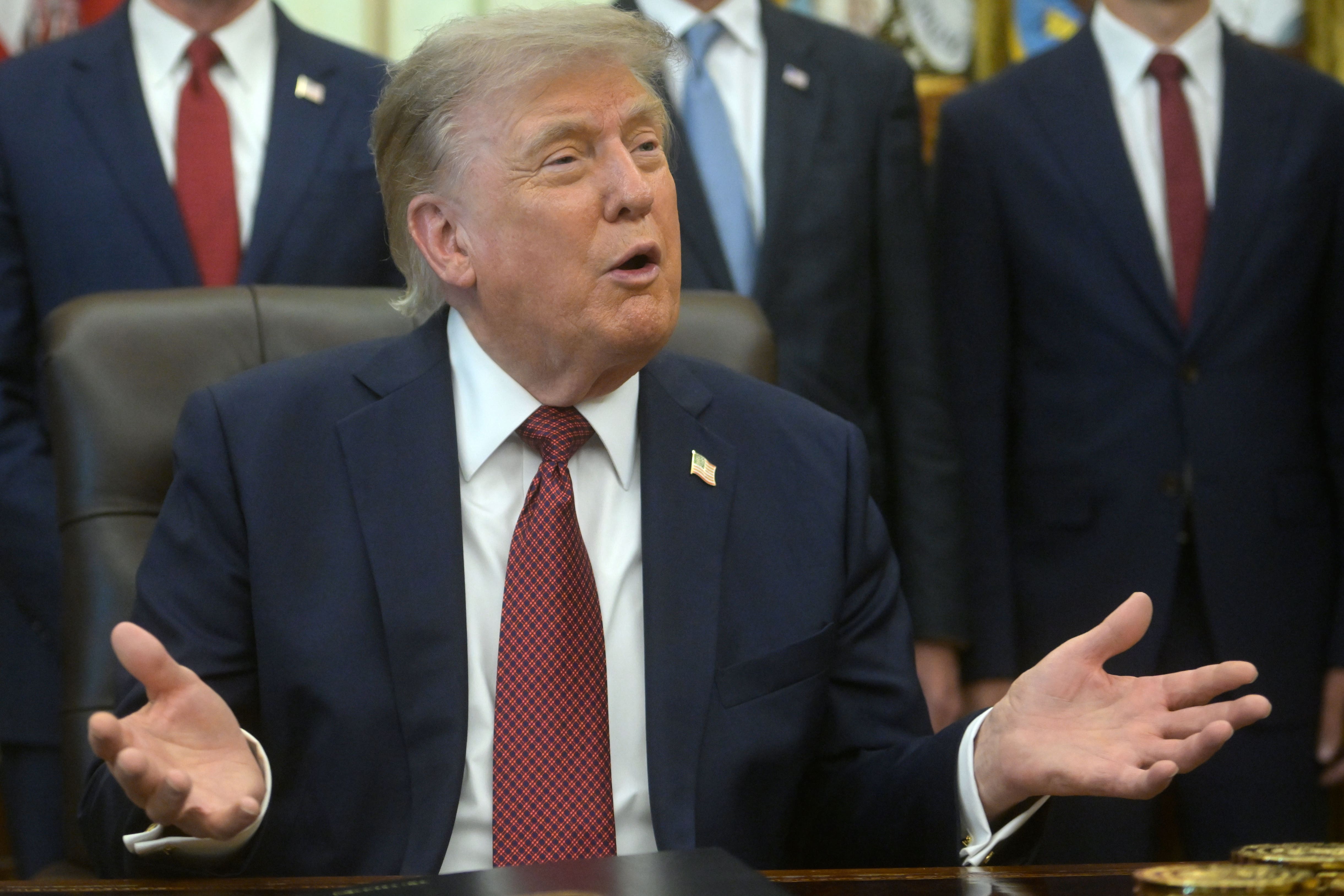 The White House has pushed to give political appointees more influence over awarding federal funding, a move critics warn would undermine the process and expose it to partisanship (AP)
independent.co.uk
The White House has pushed to give political appointees more influence over awarding federal funding, a move critics warn would undermine the process and expose it to partisanship (AP)
independent.co.uk
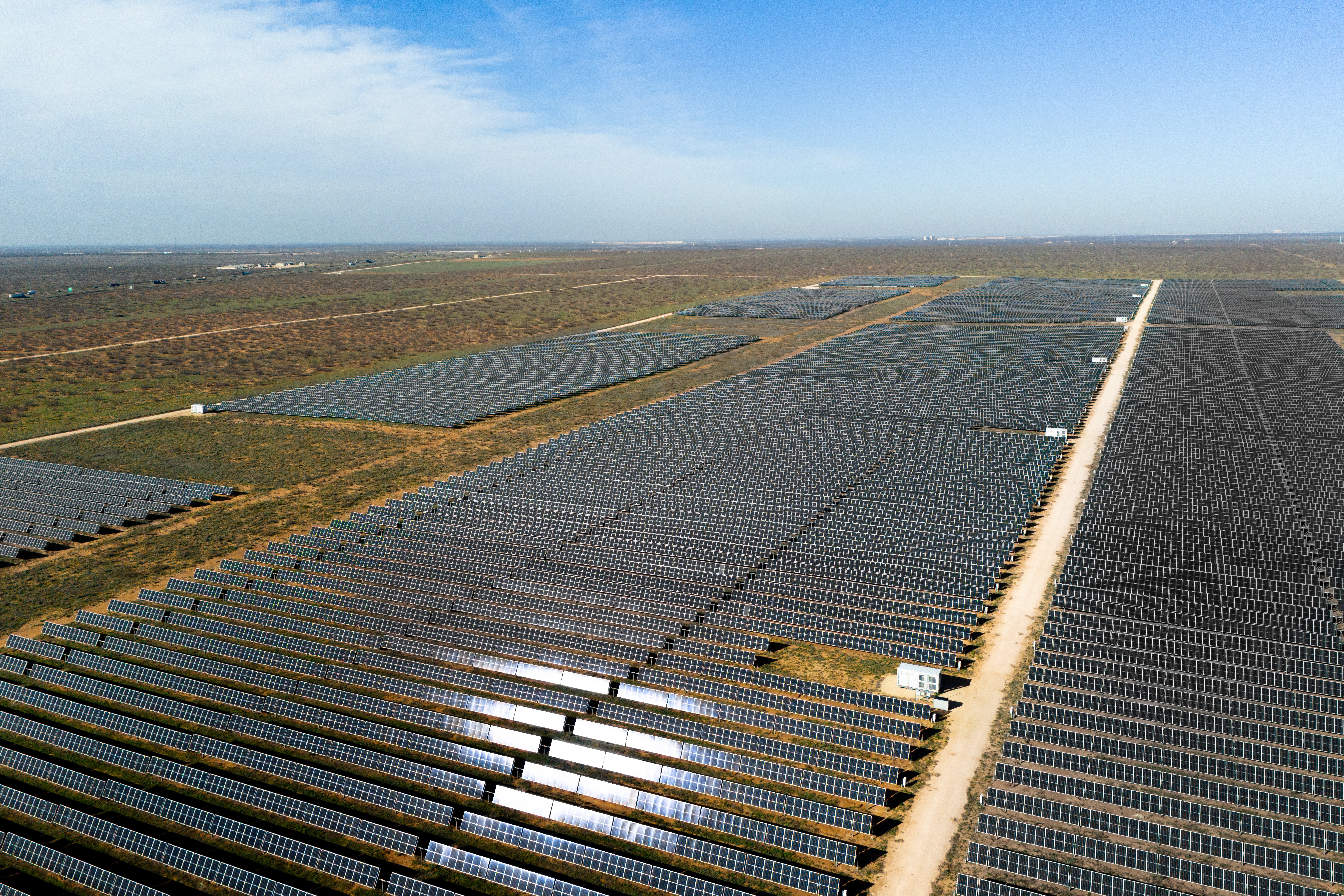 Republicans gutted the Biden administration’s signature clean energy law, even though investment and incentives largely flowed to red states (Getty)
Getty
Republicans gutted the Biden administration’s signature clean energy law, even though investment and incentives largely flowed to red states (Getty)
Getty
The US Department of Energy has acknowledged in court talks that it terminated hundreds of federal grants based on the political identity of the states receiving them, according to The Independent. The admission surfaced during early negotiations in a lawsuit brought by researchers at the University of California after the Trump administration canceled roughly $7.5 billion in clean energy funding. The cuts were announced in October, and the department’s stated rationale at the time was to protect taxpayers by steering money toward “effective and reliable” projects.
In the filings described by The Independent, the department said the cancellations were not driven by statutory requirements, cost reduction, performance, or programmatic concerns. Instead, the pattern tracked election outcomes and partisan control: 284 terminated grants were slated for Democratic-led states or states that voted for Kamala Harris in the 2024 presidential election, while about 340 grants that were not canceled were in states that backed Donald Trump or had at least one Republican senator. Democratic lawmakers cited “nearly 300” terminated energy projects and argued the common factor was simply that the states did not vote for the president.
The case adds detail to a broader shift in Washington where federal spending is increasingly treated as leverage rather than administration. Money that originates as national tax revenue is routed through agencies, turned into competitive grant programs, and then reclassified as discretionary “support” that can be paused, reviewed, or redirected when political priorities change. For universities and state agencies, that structure turns long planning cycles into a dependency on opaque internal reviews that can be re-run after elections.
The Independent reports that the lawsuit also revealed the use of keyword filters—terms related to diversity, gender, vaccine hesitancy and Covid-19—guiding cuts that canceled nearly $2 billion in grants to the University of California. Russell Vought, the White House budget director, publicly framed the broader cancellations as a way to stop what he called the “Left’s climate agenda,” while Trump amplified the message by sharing a video on Truth Social depicting Vought as the Grim Reaper warning Democrats that the administration was “gonna tie your hands.”
Energy Secretary Chris Wright, who has denied politics played a role, told Congress that “no decisions were made on politics.” The court-record description now points in the opposite direction: the same federal government that sold the October cancellations as a quality-control exercise is, in negotiations, describing them as a map of who voted for whom.
The grants at issue were terminated in bulk, and the department’s explanation—at least as reported from the lawsuit—was that the deciding factor was the state’s political alignment. In a system built on multi-year projects, the most durable paperwork appears to be the election returns.