
ICC member states remove chief prosecutor Karim Khan
First ever dismissal follows internal misconduct finding he denies, US sanctions campaign targets court regardless of personnel change
Images
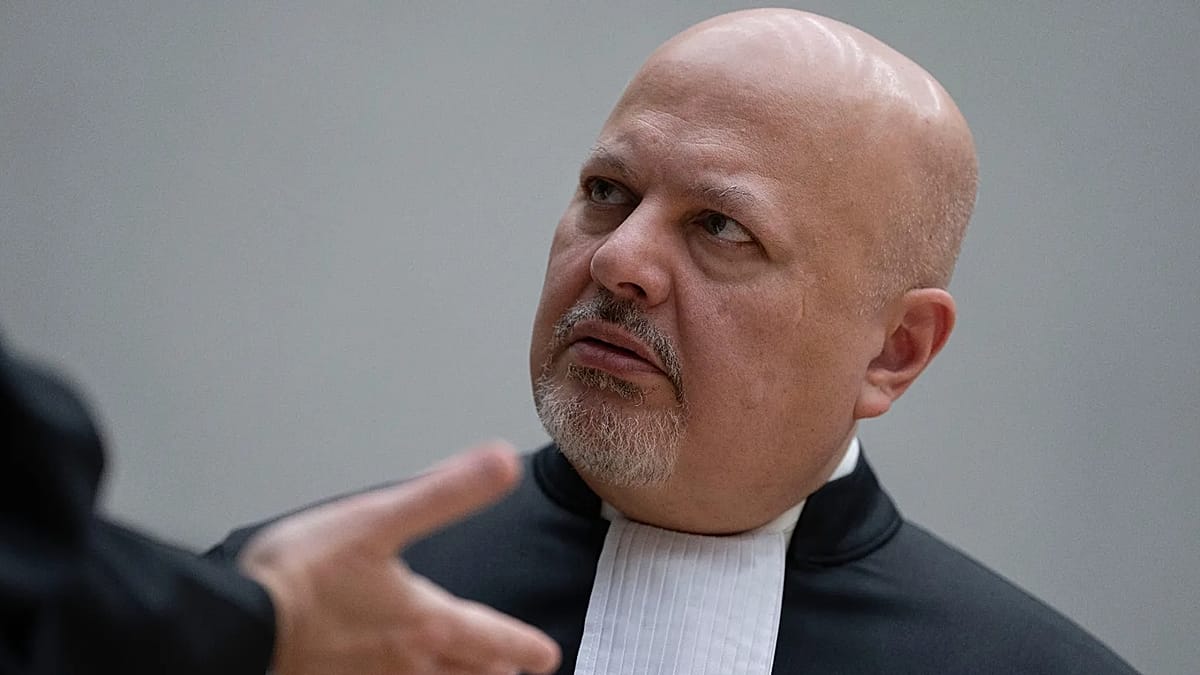 ICC chief prosecutor removed over sexual misconduct allegations
euronews.com
ICC chief prosecutor removed over sexual misconduct allegations
euronews.com
Karim Khan is removed as ICC chief prosecutor, member states vote after internal misconduct finding he denies, US sanctions campaign continues regardless of personnel change
The International Criminal Court’s 125 member states voted on 24 July to remove chief prosecutor Karim Khan from office, according to Euronews, making him the first ICC prosecutor ever forced out. Khan had been temporarily suspended in June while allegations of sexual misconduct were reviewed. An internal oversight report concluded he had committed “serious misconduct”, a finding Khan has rejected.
Documents seen by the Associated Press describe Khan as having had a sexual relationship with a woman and then allegedly trying to discourage her from pursuing a complaint. The removal is an institutional rupture for a court that relies on procedure and continuity to project authority: prosecutors are the public face of investigations, but their legitimacy rests on member-state consent and the willingness of national governments to cooperate with arrests and evidence-gathering.
Khan’s exit also lands in the middle of an external pressure campaign. The Trump administration has imposed sanctions on Khan and a dozen other ICC employees in response to the court’s arrest warrants for senior Israeli officials, including Prime Minister Benjamin Netanyahu, over the war in Gaza, Euronews reports. The court is also investigating alleged crimes involving US personnel in Afghanistan, adding a second, long-running point of conflict with Washington.
US Secretary of State Marco Rubio has framed the ICC as a sovereignty threat and promised a broader effort: pressing member states to withdraw, sanctioning organisations that cooperate with the court, and denying ICC staff entry to the United States. That agenda does not depend on who holds the prosecutor’s job. The court’s most consequential decisions are embedded in case files and judicial orders; Euronews notes Khan’s removal has no immediate impact on arrest warrants already issued, which remain a matter for ICC judges.
For the ICC, the episode tightens a familiar bind. The court can pursue politically sensitive cases only to the extent that member states provide money, diplomatic backing, and practical cooperation. When a prosecutor becomes personally vulnerable—whether through misconduct findings or external sanctions—the institution’s leverage shifts from legal theory to the blunt question of which governments will still take its calls.
Khan’s name may come off the door, but the warrants and the sanctions remain in force under the same statutes and signatures that put them there.