
World raises $52.5 million via WLD token sale
Sam Altman-linked proof-of-human project routes proceeds to Cayman foundation, iris-scan identity expands through crypto funding
Images
 Sam Altman's biometric startup World raises $52.5M via crypto sale | TechCrunch
techcrunch.com
Sam Altman's biometric startup World raises $52.5M via crypto sale | TechCrunch
techcrunch.com
World raises $52.5 million via token sale, Sam Altman-linked identity project routes proceeds to Cayman foundation, biometric proof-of-human meets crypto finance
World said it raised $52.5 million by selling its WLD token to “strategic investors,” with buyers locked up for 12 months before they can sell or trade, according to TechCrunch. The proceeds are earmarked for the World Foundation, an exempted limited guarantee foundation based in the Cayman Islands that the project says will steward expansion of the network. Pantera Capital led the purchase, with other participants including Bain Capital Crypto, Susquehanna Crypto, Eightco Holdings and Selini Capital.
The fundraising structure is a reminder that some of the most contested technology products now come with contested financing. World markets itself as an online verification system—“proof of human”—intended to distinguish people from bots and AI-generated accounts. But its capital raise is not framed as a conventional equity round with governance rights and board oversight; it is framed as a token sale into a market where price, liquidity and incentives are part of the product. The 12-month lockup is presented by the company as a signal of long-term commitment, but it also delays the moment when buyers can test that commitment against an open market.
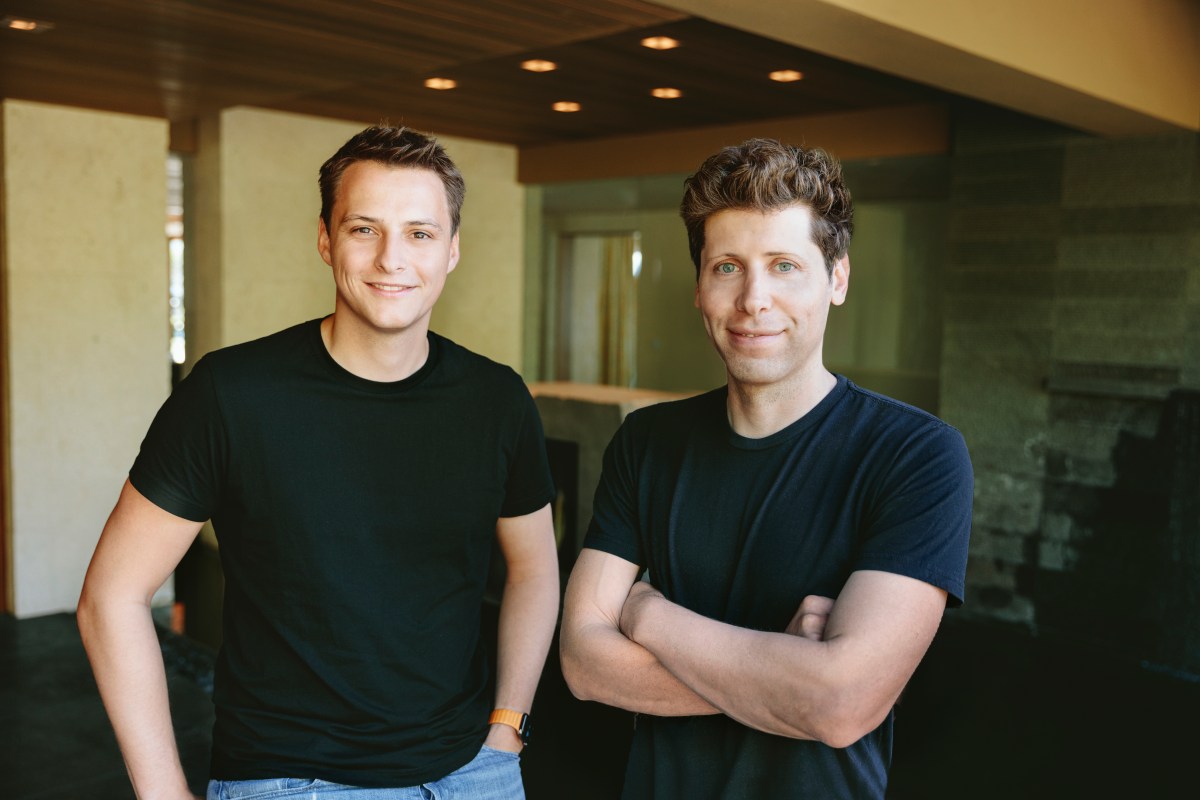
World is operated by Tools for Humanity, a San Francisco-based startup led by CEO and co-founder Alex Blania, with Sam Altman as a co-founder, TechCrunch reports. The project began under the name Worldcoin and later rebranded to World amid broader backlash against the crypto industry. Users who want a verified World ID must have their eyes scanned by a metallic “Orb,” which converts an iris scan into a cryptographic identifier. Orbs are placed in the company’s own offices and partner stores, turning identity onboarding into a physical distribution problem rather than a purely digital one.
That physical step is also where the project’s privacy claims and its growth ambitions meet. World describes World ID as an anonymous digital marker, yet the system depends on collecting a biometric input that cannot be rotated like a password if trust breaks down. At the same time, the project’s app functions as a custodial wallet for holding or trading WLD, blending identity, payments and asset custody inside one interface. The result is a network that must persuade users to accept both a new identity layer and a new financial layer, while regulators in many jurisdictions still debate how to classify each.
TechCrunch notes World has struggled to scale and attract consumer interest despite its global ambitions. In April, it launched a new version of its app and announced partnerships with companies including Tinder and Ticketmaster. In June, Tools for Humanity carried out layoffs. For a project trying to become a default credential for “human,” distribution deals and token-funded expansion can buy time, but they do not solve the harder question of why ordinary users would line up for an iris scan.
The company’s announcement highlights where the money is going: not to a public agency, not to a bank, but to a Cayman-based foundation tasked with growing the network.
World’s product still begins the same way: an Orb, a queue, and a pair of eyes.