
Sonam Wangchuk ends hunger strike in Delhi
Cockroach protests spread nationwide over exam leaks and youth anger, metro closures and internet cuts become part of the message
Images
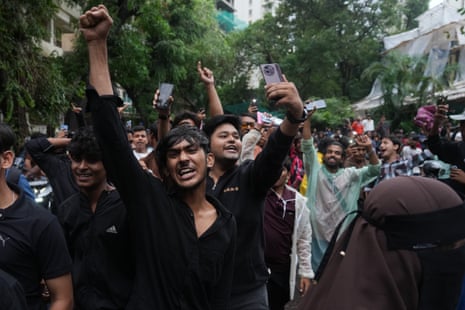 Protesters shout slogans during a demonstration demanding educational reforms as part of the Cockroach Janta party's protest movement in Mumbai, India, on Thursday. Activist Sonam Wangchuk ended his hunger strike on Friday. Photograph: Rafiq Maqbool/AP
theguardian.com
Protesters shout slogans during a demonstration demanding educational reforms as part of the Cockroach Janta party's protest movement in Mumbai, India, on Thursday. Activist Sonam Wangchuk ended his hunger strike on Friday. Photograph: Rafiq Maqbool/AP
theguardian.com
 On the ground at India’s ‘Cockroach’ protest
theguardian.com
On the ground at India’s ‘Cockroach’ protest
theguardian.com
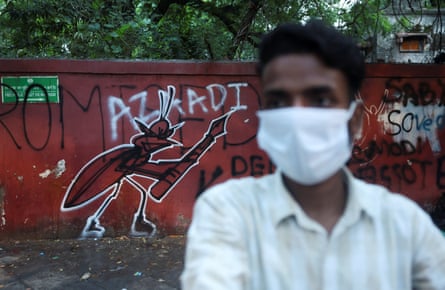 A supporter of India’s Cockroach Janata party (CJP) stands next to graffiti of a cockroach holding a pen at the ongoing protest site at Jantar Mantar in Delhi. Photograph: Francis Mascarenhas/Reuters
theguardian.com
A supporter of India’s Cockroach Janata party (CJP) stands next to graffiti of a cockroach holding a pen at the ongoing protest site at Jantar Mantar in Delhi. Photograph: Francis Mascarenhas/Reuters
theguardian.com
 (X/@Sonam Wangchuk)
X/@Sonam Wangchuk
(X/@Sonam Wangchuk)
X/@Sonam Wangchuk
 independent.co.uk
 independent.co.uk
 independent.co.uk
 independent.co.uk
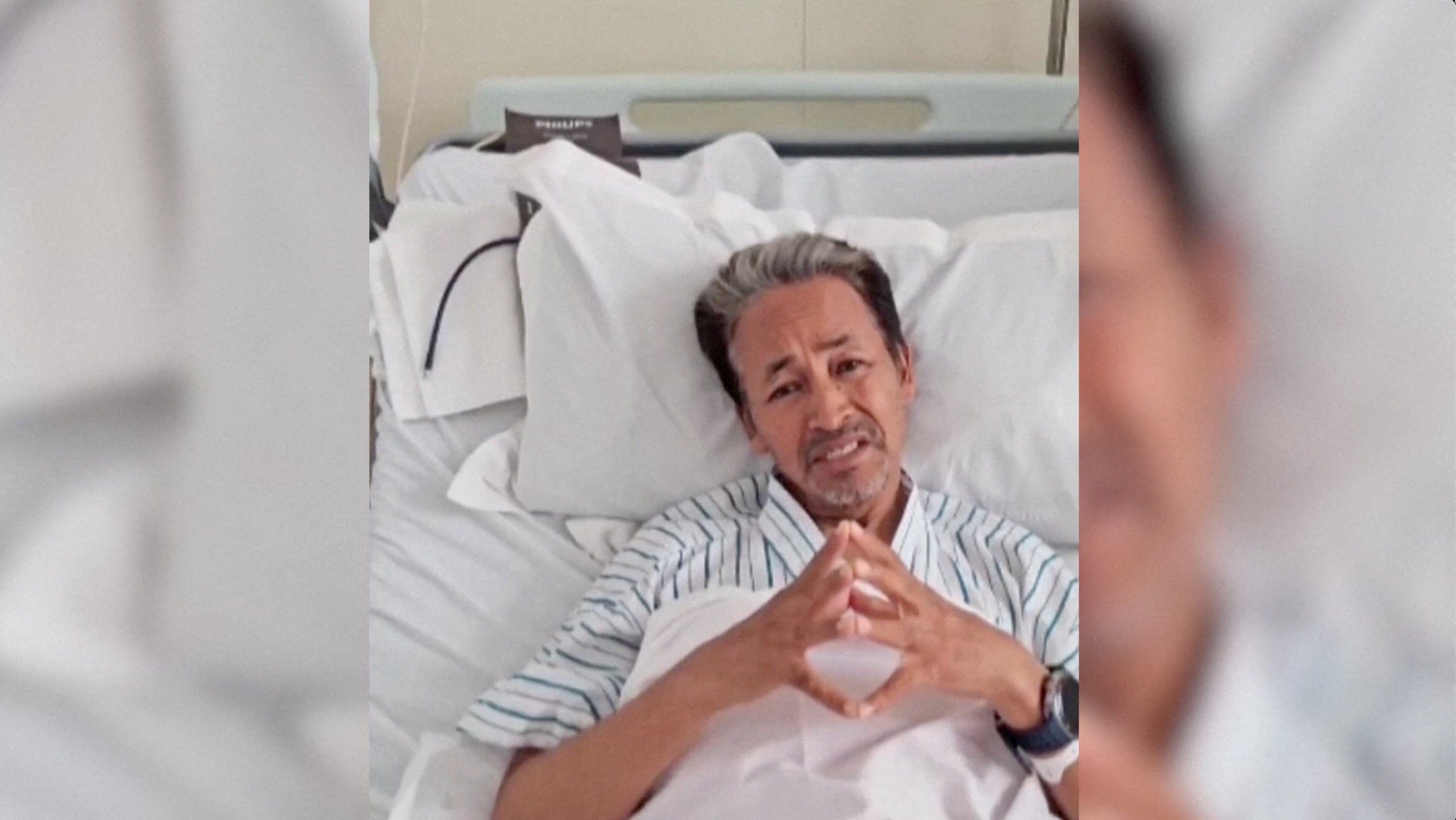
Sonam Wangchuk ended a 26-day hunger strike in New Delhi on Friday after meeting two senior ministers from Narendra Modi’s government, according to The Guardian. The fast—framed as a protest over exam paper leaks—had become a focal point for the youth-led “cockroach” demonstrations that have spread beyond Delhi into cities including Bengaluru, Ranchi, Pune, Thiruvananthapuram and Kolkata.
The immediate concession was not a new law or a published investigation but a package of assurances. Wangchuk said from a hospital bed that accountability in the examination system would be discussed in parliament, while the government promised compensation for families of students who died by suicide after leaks and said it would not register cases against young people who joined mass protests earlier in the week, The Guardian reports. The Independent adds that Modi released a midnight video promising “strict action,” including fast-track courts for leak cases, while authorities in the capital closed more than a dozen metro stations and cut internet access as crowds gathered.
The movement’s demands have also widened in a way that makes simple fixes harder. What began over alleged leaks in competitive entrance exams for medical colleges and government jobs has turned into a broader protest about the value of credentials in an economy where entry-level opportunities are scarce and selection is gatekept by high-stakes testing. Organisers linked to the Cockroach Janta Party (CJP) say demonstrations will continue until education minister Dharmendra Pradhan resigns; opposition parties have echoed the demand and disrupted parliament’s monsoon session.
For the government, the incentives are mixed. Promising “reform” and setting up fast-track courts signals resolve without admitting systemic failure; reshuffling officials can show responsiveness without changing how exams are administered. The Independent reports that the higher education secretary was removed and replaced, while being reassigned elsewhere in government—an administrative move that reads as both punishment and protection.
Policing, meanwhile, has become part of the story rather than its backdrop. Heavy security around Jantar Mantar and the shutdown of metro stations shifted the costs of protest onto commuters and small businesses, while detentions in Mumbai and allegations of police brutality during a march on parliament fed the movement’s call for a nationwide day of action.
Wangchuk ended his fast in a hospital room, while organisers called supporters back into the streets.