
Genetically modified screwworm flies near first outdoor tests
USDA-backed Panama facility seeks to scale sterile insect campaign, factory output shortfall drives push for male-only line
Images
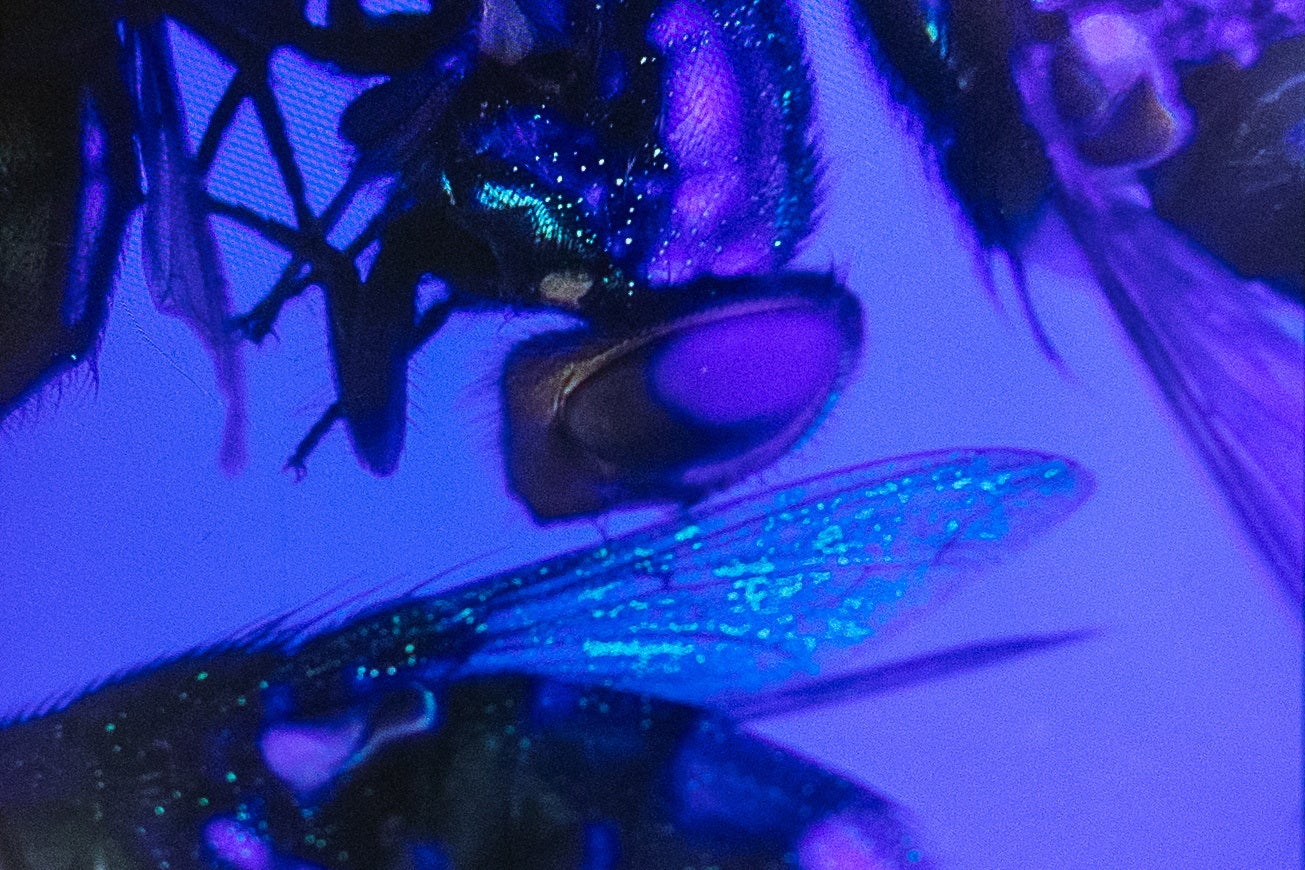 NovoFly is a screwworm fly genetically engineered to produce only males. Once these male offspring are sterilized, they can be released to mate with wild female screwworm flies, which then lay unfertilized eggs (REUTERS)
REUTERS
NovoFly is a screwworm fly genetically engineered to produce only males. Once these male offspring are sterilized, they can be released to mate with wild female screwworm flies, which then lay unfertilized eggs (REUTERS)
REUTERS
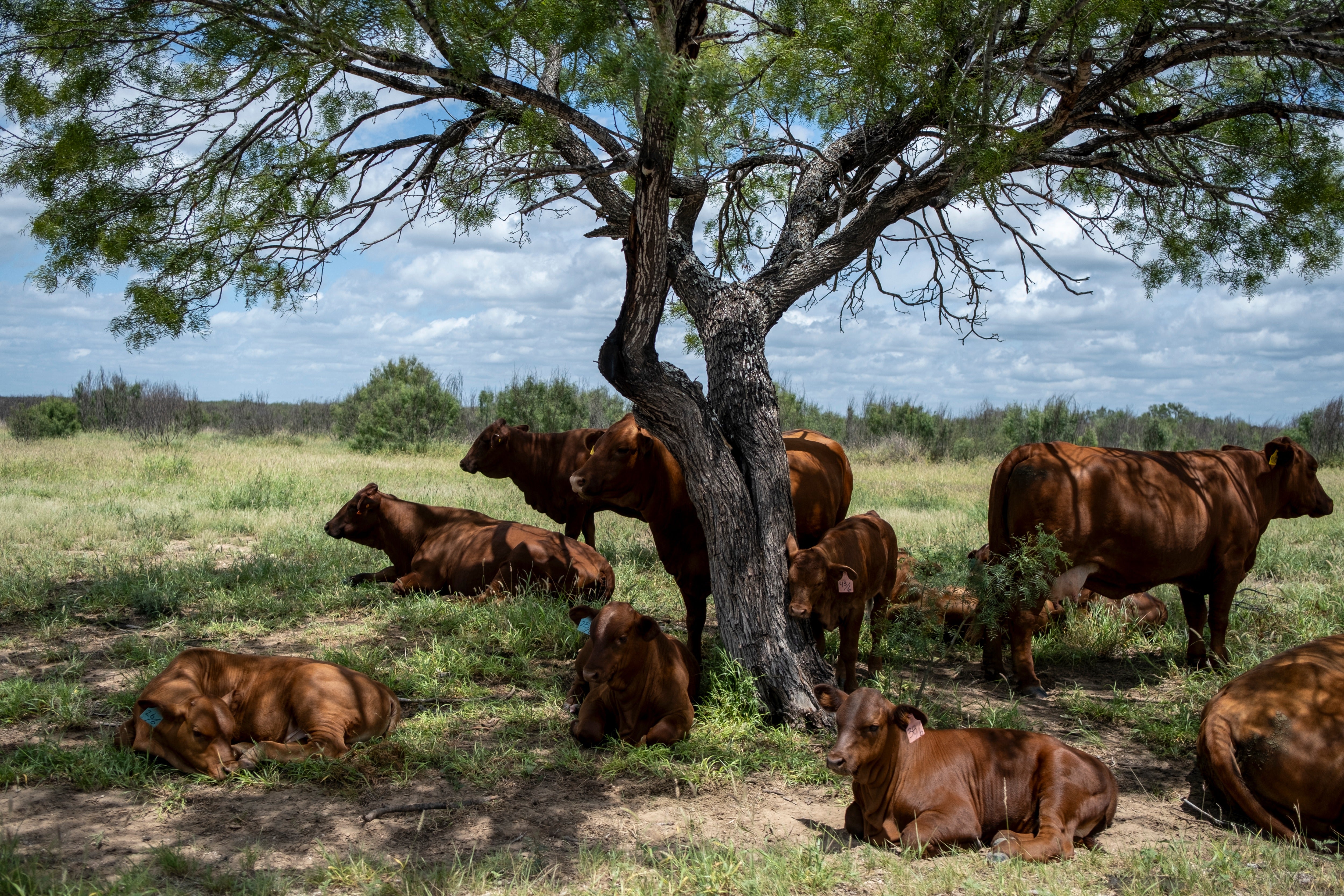 Wild screwworm flies have now spread throughout Mexico and, in June, infested Texas farms for the first time in decades (Getty Images)
Getty Images
Wild screwworm flies have now spread throughout Mexico and, in June, infested Texas farms for the first time in decades (Getty Images)
Getty Images
US-backed scientists in Panama are preparing the first outdoor tests of genetically modified New World screwworm flies, a pest-control upgrade aimed at a parasite that can kill livestock by eating them alive. The flies—called NovoFly—are expected to be placed in mesh cages to see whether they survive Panama’s heat and humidity outside laboratory conditions, according to Reuters reporting republished by The Independent. The work is being carried out at a Panama facility that already produces sterile flies used to suppress wild screwworm populations.
The screwworm problem is old, but the logistics are new. The US Department of Agriculture began using sterile insect technique in the 1950s and eradicated screwworms from the United States by the 1960s by flooding affected areas with sterilized males. That approach still underpins today’s “barrier” strategy: the Panama plant, opened in 2006, is meant to stop wild flies moving north. But Reuters cites experts saying the facility’s current output—about 100 million sterile flies per week—is not enough for the present situation, with estimates of roughly 500 million per week needed to push the parasite back toward the Darien Gap.
NovoFly is designed to address a bottleneck that is mostly industrial, not biological: the plant produces both male and female flies, and separating females is difficult. The genetically modified line is engineered to produce only male offspring, and those males are then sterilized before release. Because wild female screwworms typically mate only once, releasing large numbers of sterile males can crash a population over time as females lay unfertilized eggs. USDA officials have described the male-only feature as a way to “almost instantaneously” double the number of usable sterile flies without doubling the factory.
The immediate scientific question is whether the modified flies can compete in the real world. Researchers still do not know whether NovoFly males will be strong enough and sufficiently virile to fly far, find wild females, and successfully mate—traits that can degrade when insects are optimized for lab breeding rather than field performance. Outdoor cage tests are a cautious step that acknowledges that genetic design does not automatically translate into ecological function. Larger trials at a nearby ranch are expected to follow within weeks if regulators approve the initial stage.
The economic stakes are already shaping the narrative. The Trump administration has promoted NovoFly as a major advance, and Reuters notes estimates that a sustained infestation could cause losses exceeding $1 billion to Texas’ livestock industry. The Panama facility is jointly managed by the USDA and Panama’s agriculture ministry, while the Panama-United States Commission for the Eradication and Prevention of Screwworm operates the plant—an institutional stack that can move quickly when the costs are concentrated on ranchers, but more slowly when questions turn to biosafety and cross-border accountability.
For now, the “field test” is a cage in Panama. If the flies cannot handle the heat, the genetic breakthrough will still leave the same arithmetic: too few sterile males, too many wounds, and a parasite that does not wait for production targets.