
Greater Manchester Police admits missed chance before synagogue attack
Seized phones were not examined until after killings, watchdog review follows once trials end
Images
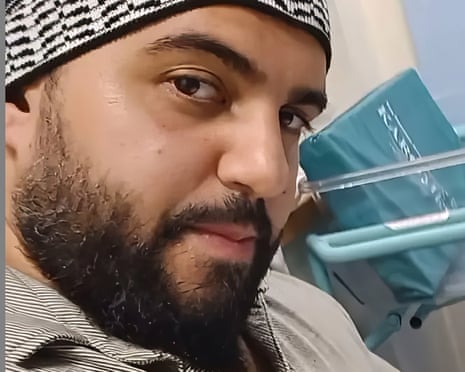 Jihad al-Shamie’s phones were seized by officers before the attack on Heaton Park synagogue but crucial data was not examined. Photograph: Facebook
theguardian.com
Jihad al-Shamie’s phones were seized by officers before the attack on Heaton Park synagogue but crucial data was not examined. Photograph: Facebook
theguardian.com
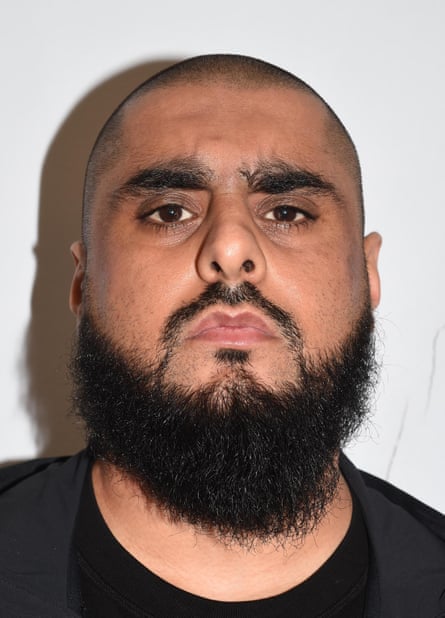 Mohammad Bashir, who was jailed for life on Thursday for a terrorist act planned two months before the synagogue attack. Photograph: Greater Manchester Police/PA
theguardian.com
Mohammad Bashir, who was jailed for life on Thursday for a terrorist act planned two months before the synagogue attack. Photograph: Greater Manchester Police/PA
theguardian.com
Greater Manchester Police says it missed a chance to intervene before the deadly attack on Heaton Park synagogue in October 2024, after officers seized the attacker’s phones but did not examine key data on the devices. According to The Guardian, the force’s chief constable Sir Stephen Watson apologised publicly, saying the information would have prompted further investigative action if it had been reviewed in time.
The admission comes only after related court proceedings concluded, a sequencing that has become routine in terrorism cases: operational decisions remain opaque until trials end, at which point the public learns which pieces of evidence sat unused. In this case, the Guardian reports the attacker, Jihad al-Shamie, had been arrested twice earlier in 2024 and had his devices seized on each occasion. An internal review later found the data on those phones was significant in evidencing an extremist mindset, but the significance was not recognised because the devices were not examined before the attack.
The same reporting sketches how quickly investigations can narrow into compartmentalised files. Mohammad Bashir, described as a friend of al‑Shamie, was jailed for life with a minimum term of 17 years for preparing a terrorist act linked to a hostile reconnaissance trip to the UK Defence Academy in August 2024. Prosecutors said there was no evidence Bashir was involved in the later synagogue attack, but the two-month gap between the planned operation and the eventual killings illustrates how an individual can move between plots, targets, and timelines while agencies treat each episode as a separate case. The Guardian says al‑Shamie was shot dead by police during the synagogue attack, and that he wore a fake suicide belt.
Accountability now shifts into review bodies. The Independent Office for Police Conduct is examining Greater Manchester Police’s earlier investigations into al‑Shamie, and Watson said the end of Bashir’s legal proceedings allowed more detail to be shared. That creates a familiar asymmetry: the state can take years to disclose its own missed steps, while communities are asked to trust that future processes will close the gap.
Two men died in the attack, and the force’s explanation still turns on a simple administrative fact: the phones were in police hands, but the data was not.