
EU agrees 21st Russia sanctions package
Greece secures exemption for shipping Russian LNG to non-EU clients, oil price cap frozen as enforcement expands and carve-outs multiply
Images
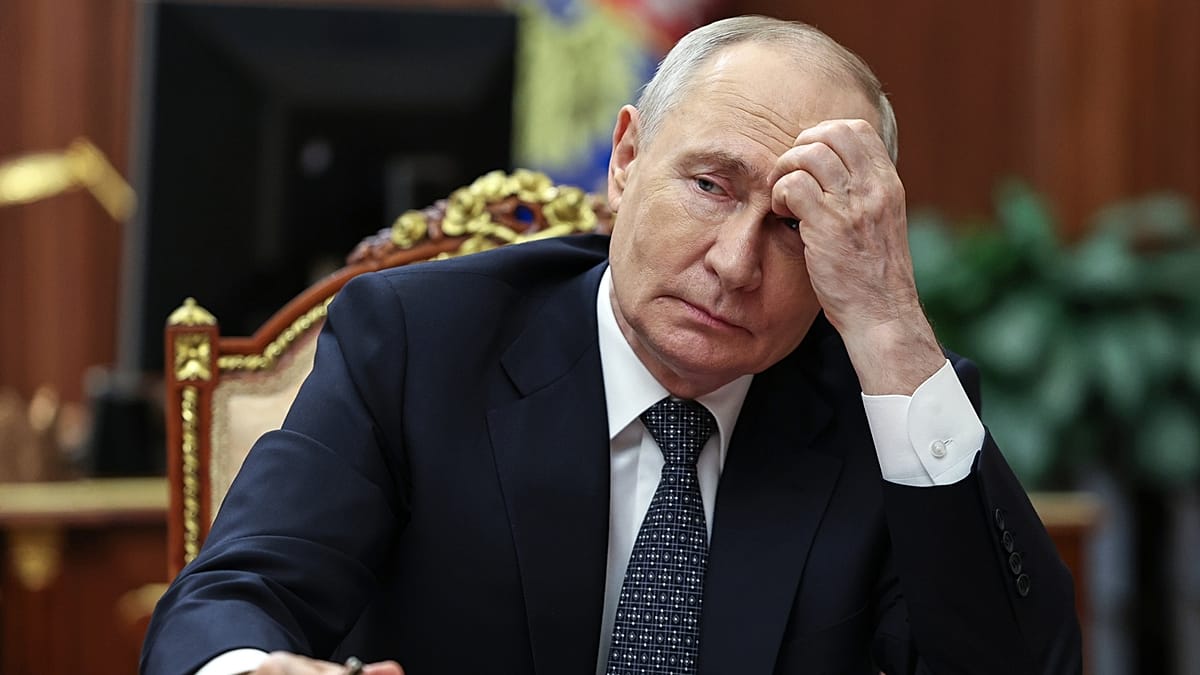 EU agrees new sanctions on Russia as Greece secures LNG exemption
euronews.com
EU agrees new sanctions on Russia as Greece secures LNG exemption
euronews.com
EU ambassadors agreed on Thursday to a 21st sanctions package against Russia, according to Euronews, after Greece held out for an exemption tied to liquefied natural gas shipping. The deal allows Greece to continue transporting Russian LNG to non‑EU clients for the foreseeable future, even as Brussels adds new restrictions aimed at Moscow’s war economy.
The package arrives with the Ukraine war still grinding on and sanctions fatigue increasingly visible in the fine print. Euronews describes the measures as watered down compared with earlier rounds, and the headline concession is not subtle: a member state with the world’s largest merchant fleet extracted carve‑outs for the business lines most exposed to the rules. Greece had demanded revisions to an LNG transport ban agreed last year, warning—alongside the shipper Dynagas, owned by Greek billionaire George Prokopiou—that a hard ban would hand market share to foreign competitors while doing little to dent Russian revenues. Other capitals, Euronews reports, feared that reopening settled law would invite copy‑and‑paste exemptions elsewhere.
The EU also chose not to tighten its oil price cap in the way officials had previously signalled. Instead, it froze the cap on Russian oil at $44 per barrel for 12 months, blocking an expected rise to $58. Euronews links the decision to renewed market volatility from US‑Iran hostilities: the cap is being managed not only as a tool against Russia, but as a way to avoid adding fuel to global price shocks that would ricochet back into Europe.
Alongside the compromises, Brussels is still expanding the administrative machinery of sanctions. The package blacklists 30 vessels from Russia’s “shadow fleet” and adds new targets including banks, crypto platforms and oil‑trading platforms, plus more than 250 individuals and companies accused of supporting the invasion, spreading pro‑war propaganda or enabling circumvention. Euronews says more than 600 shadow‑fleet vessels have already been denied access to EU ports and services—an enforcement posture that depends on paperwork, insurers and port access as much as on navies.
The bargaining left visible casualties. Attempts to restrict imports of Russian fisheries were dropped after objections from Portugal and Germany, and Bulgaria succeeded in removing Patriarch Kirill and businessman Vagit Alekperov from the sanctions list, according to Euronews. A proposal to bar Russian soldiers from entering the Schengen Area was downgraded to a commitment to “work towards” implementation after concerns from France and Italy about legal exposure and administrative burden.
After weeks of talk about tightening the screws, the EU’s newest Russia package lands with one clear operational result: Greek LNG carriers can keep moving Russian cargo to customers outside the bloc.