
Andy Burnham cuts business rates for pubs and clubs
20% relief for nearly 32000 hospitality firms starts next April, funding plan leans on cracking down on others tax compliance
Images
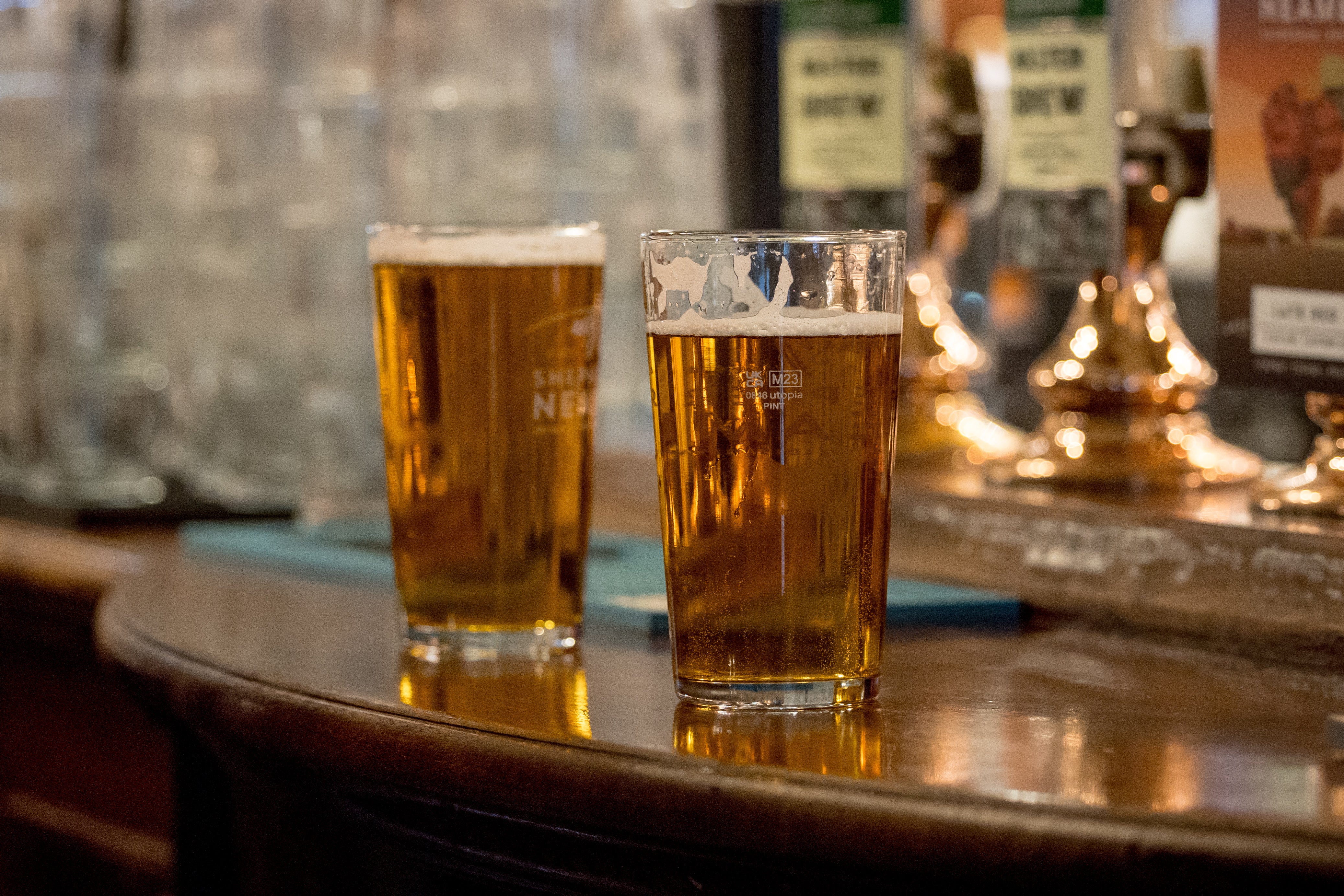 The discount will apply to nearly 32,000 hospitality businesses (Getty)
Getty
The discount will apply to nearly 32,000 hospitality businesses (Getty)
Getty
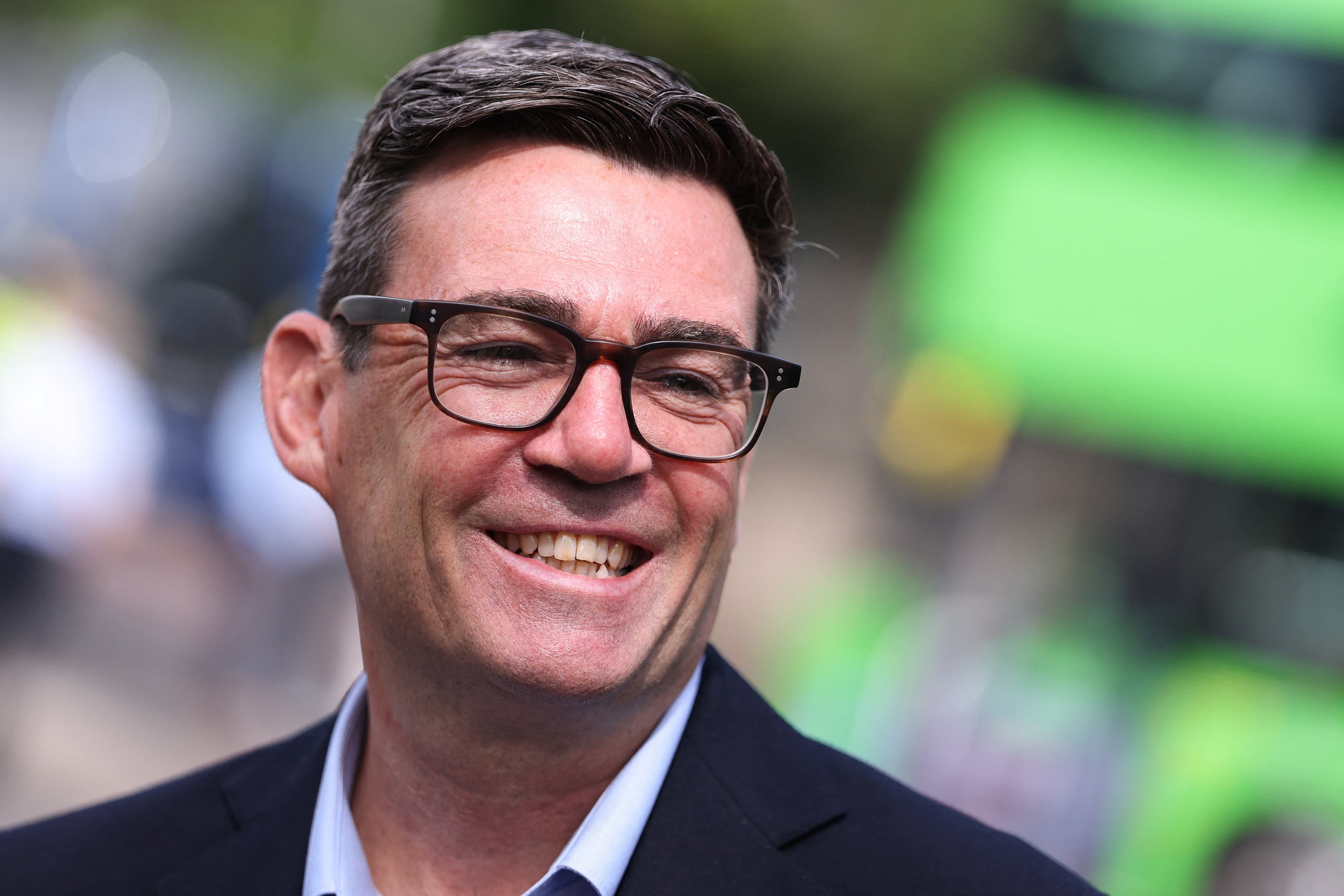 Prime Minister Andy Burnham is travelling to Scotland to meet with First Minister John Swinney (PA)
independent.co.uk
Prime Minister Andy Burnham is travelling to Scotland to meet with First Minister John Swinney (PA)
independent.co.uk
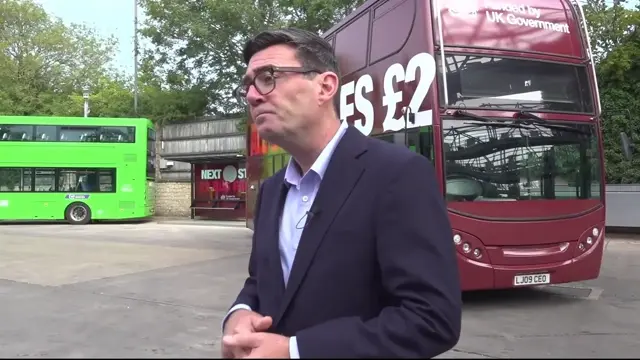 Newest policies will NOT be paid for by Budget tax rises, says Burnham
standard.co.uk
Newest policies will NOT be paid for by Budget tax rises, says Burnham
standard.co.uk
 Gary Lineker has joked that Thomas Tuchel is a ‘German spy’ while criticising the England manager (Ben Whitley/PA)
standard.co.uk
Gary Lineker has joked that Thomas Tuchel is a ‘German spy’ while criticising the England manager (Ben Whitley/PA)
standard.co.uk
 <p>Chancellor John Healey</p>
standard.co.uk
<p>Chancellor John Healey</p>
standard.co.uk
 <p>ORRELL, ENGLAND - JUNE 05: Labour's Makerfield by-election candidate Andy Burnham buys a pint of Guinness during a campaign event at the Holt's Arms on June 05, 2026 in Orrell, England. Andy Burnham is the official Labour Party candidate for the upcoming Makerfield by-election, scheduled to take place on Thursday 18 June 2026. The election is being seen as Burnham's intended route back to the House of Commons, positioning him to launch a leadership challenge against Prime Minister Sir Keir Starmer (Photo by Christopher Furlong/Getty Images)</p>
standard.co.uk
<p>ORRELL, ENGLAND - JUNE 05: Labour's Makerfield by-election candidate Andy Burnham buys a pint of Guinness during a campaign event at the Holt's Arms on June 05, 2026 in Orrell, England. Andy Burnham is the official Labour Party candidate for the upcoming Makerfield by-election, scheduled to take place on Thursday 18 June 2026. The election is being seen as Burnham's intended route back to the House of Commons, positioning him to launch a leadership challenge against Prime Minister Sir Keir Starmer (Photo by Christopher Furlong/Getty Images)</p>
standard.co.uk
 TfL's Weekend Hopper scheme launches this weekend
standard.co.uk
TfL's Weekend Hopper scheme launches this weekend
standard.co.uk
Andy Burnham’s government says pubs, clubs and live music venues across England will get a 20% cut in business rates from April next year, a change that ministers say will apply to nearly 32,000 hospitality businesses. According to The Independent, the typical pub would save about £1,100 a year, while the very largest live music venues would be excluded from the relief.
The move lands in the first week of a new premiership that has already announced a grab-bag of consumer-facing measures, including plans to remove VAT from electricity bills and reinstate a £2 cap on single bus fares across England. Taken together, the early agenda reads less like a coherent fiscal package than a sequence of targeted price interventions, each popular with a clear constituency and each requiring a funding story that can survive a Budget.
On paper, the rate cut is paid for by “reviewing reliefs” for businesses said not to make a positive contribution to local communities, with vape shops cited as an example, and by a crackdown on online marketplaces that do not comply with tax obligations, The Independent reports. That framing does two things at once: it casts the policy as cultural protection for “high streets” and it shifts the political conflict away from the recipient businesses and onto a set of less sympathetic targets.
But the arithmetic is harder than the rhetoric. A review of reliefs is not a revenue source until it produces a list of losers and survives the lobbying that follows. A crackdown on non-compliant online marketplaces requires enforcement capacity, legal clarity and sustained attention—precisely the things that tend to thin out once the headline has been banked. Even Burnham’s earlier pledge to raise taxes on out-of-town warehouses used by online giants such as Amazon underscores the same problem: the easiest promises are those aimed at actors who are geographically distant, procedurally complex, and able to contest assessments through appeals.
The politics, by contrast, is straightforward. Hospitality businesses are visible employers, their closures are locally legible, and their owners are organised enough to campaign. London’s Evening Standard adds that a separate open letter from “Patriotic Millionaires UK” urges Burnham to raise taxes on wealth, offering a different route to pay for such reliefs while implicitly acknowledging that the current funding plan may not be the last word.
The business rates discount begins in April next year. The government says broader reform, including small business rates relief, will be set out at the Budget.