
CDC reports thousands of Cyclospora cases across US
Investigators focus on lettuce and salad greens while supplier trail remains unclear, recalls and false positives leave restaurants discarding food on suspicion
Images
 bnonews.com
 bnonews.com
 bnonews.com
 bnonews.com
 bnonews.com
The US Centers for Disease Control and Prevention has logged 4,173 laboratory-confirmed cases of cyclosporiasis since May 1 and says it is investigating more than 7,400 additional suspected cases. Confirmed infections have been reported in 41 states, with at least 308 hospitalisations and no reported deaths, according to BNO News’ summary of the CDC data.
The scale matters because Cyclospora is not a pathogen most patients—or many clinicians—are routinely testing for. BNO notes that standard stool tests do not always screen for Cyclospora, meaning people can be sick for days before anyone asks the right lab question. That lag is not just a medical problem; it is a tracing problem. The longer it takes to confirm cases, the more likely the suspected food has already moved through distributors, restaurants and home refrigerators, turning a narrow contamination event into a national statistical fog.
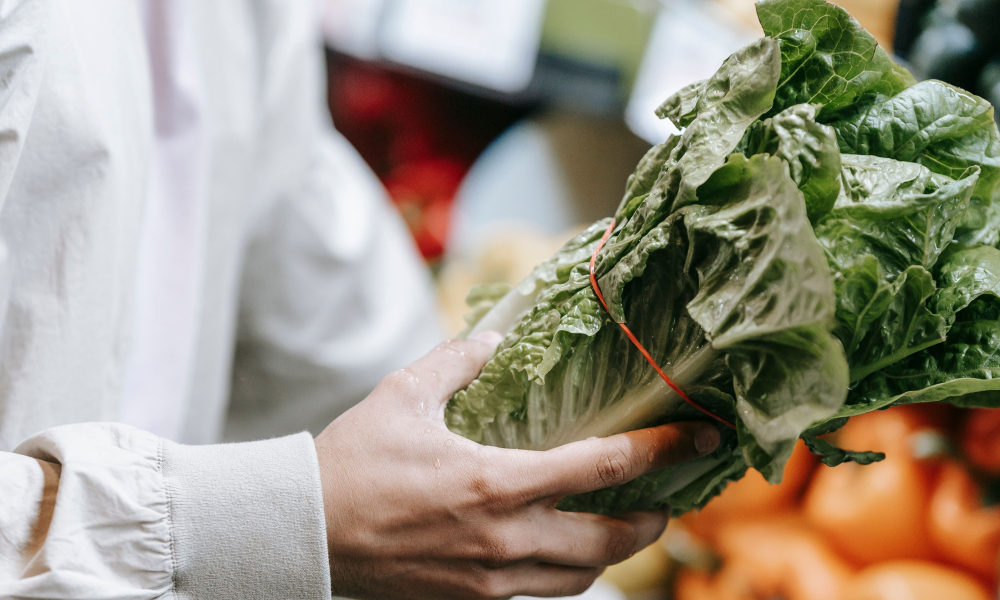
Michigan and Ohio are prominent in the suspected-case totals, and Michigan health officials have pointed to lettuce or salad greens as a potential source while saying they have not identified a specific type of produce, grower or supplier. That is the familiar weak point of modern food systems: produce is pooled, processed and repackaged across multiple hands, and the paperwork can be cleaner than the chain of custody. When investigators cannot quickly narrow the suspect lot, the practical response becomes broad warnings and voluntary discards—costs borne by consumers, restaurants and growers who may have had nothing to do with the contamination.
A recall has already become part of that uncertainty. Taylor Farms voluntarily recalled iceberg lettuce grown in central Mexico after it was identified as a potential source, BNO reports, while the company said the recall was completed and affected product removed from stores and restaurants. But Taylor Fresh Foods also said the Food and Drug Administration initially told it a lettuce sample tested positive for Cyclospora and later apologised, saying the result was a false positive. The public is left with two competing messages—pull the product, then question the test—while the case counts keep rising.
The CDC is advising consumers, retailers and restaurants to discard recalled lettuce distributed by Taylor Fresh Foods or from Taylor Farms de Mexico, including lettuce served at Taco Bell and other restaurants, according to BNO. The outbreak is being measured in thousands of sick people while the identity of the responsible farm or supplier remains unspecified.