
US signs nuclear cooperation pact with Saudi Arabia
Deal opens path to Saudi uranium enrichment without IAEA Additional Protocol, non-proliferation standards bend as war messaging hardens
Images
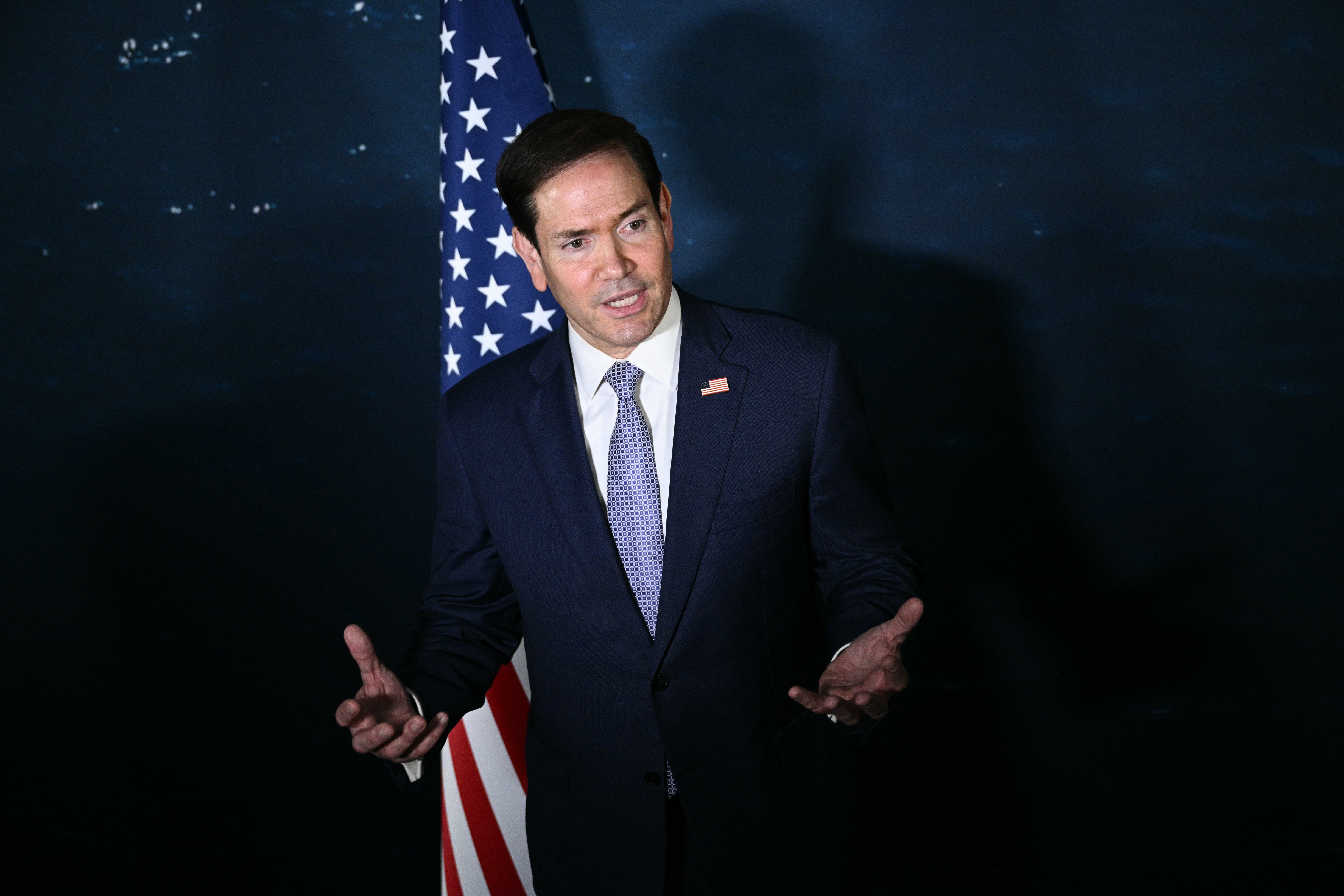 Earlier, Secretary of State Marco Rubio sought to head off criticism, addressing reporters' questions about the risk that helping Saudi Arabia fulfill its long-standing desire to enrich uranium could trigger new rounds of nuclear proliferation (Brendan Smialowski/AFP via Getty Images)
Brendan Smialowski/AFP via Getty Images
Earlier, Secretary of State Marco Rubio sought to head off criticism, addressing reporters' questions about the risk that helping Saudi Arabia fulfill its long-standing desire to enrich uranium could trigger new rounds of nuclear proliferation (Brendan Smialowski/AFP via Getty Images)
Brendan Smialowski/AFP via Getty Images
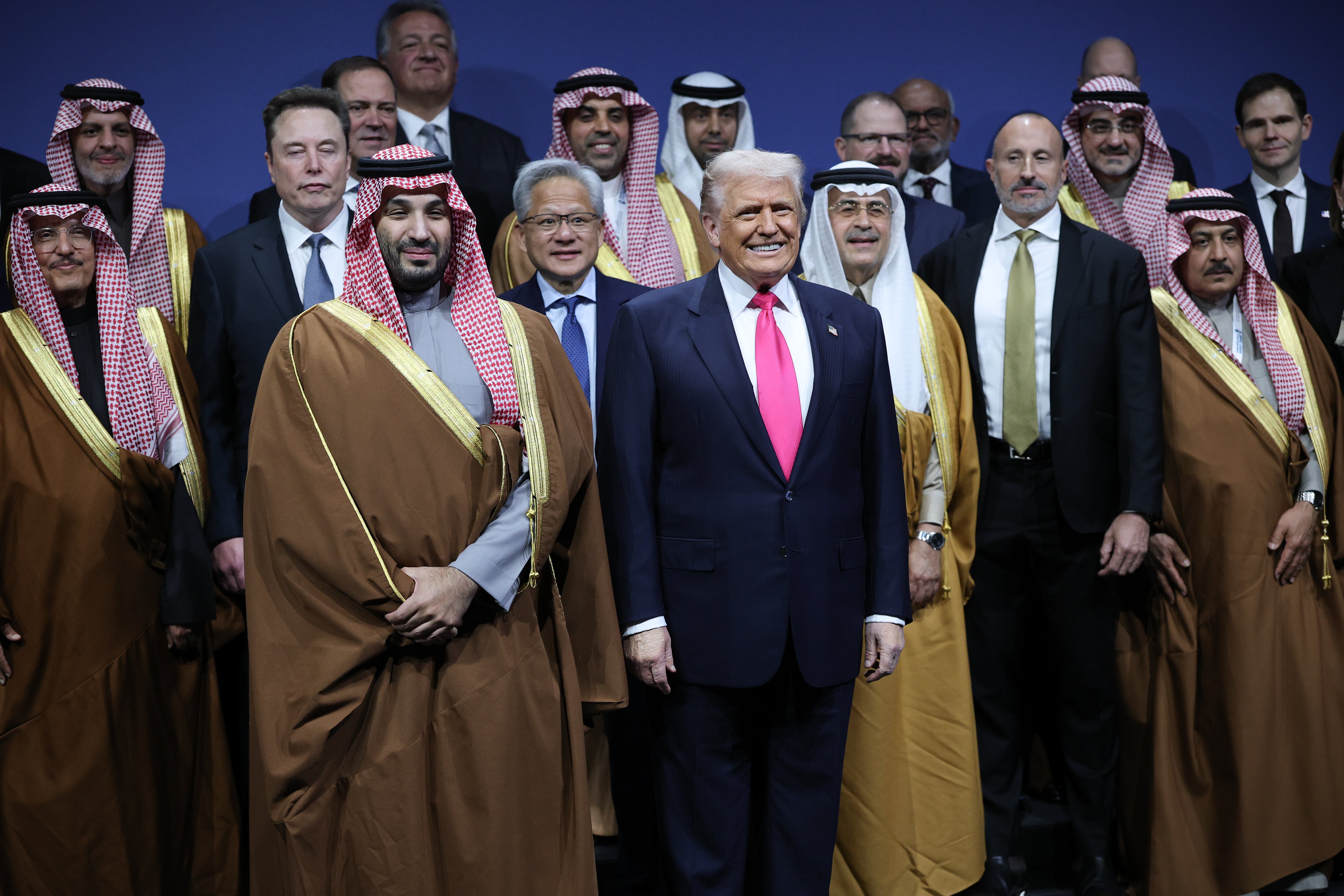 Both President Donald Trump and former President Joe Biden tried to reach a nuclear deal with the kingdom to share American technology (Win McNamee/Getty Images)
Win McNamee/Getty Images
Both President Donald Trump and former President Joe Biden tried to reach a nuclear deal with the kingdom to share American technology (Win McNamee/Getty Images)
Win McNamee/Getty Images
The United States has finalized a nuclear cooperation agreement with Saudi Arabia that could allow the kingdom to enrich uranium as part of a civilian program, according to The Independent. The pact was signed by US Energy Secretary Chris Wright and Saudi energy minister Abdulaziz bin Salman, and the Energy Department said it will be submitted to Congress for review.
The agreement is described as a “123 agreement” paired with a bilateral safeguards arrangement, but the administration has provided limited detail on what the safeguards require in practice. The Independent reports that the deal does not include the International Atomic Energy Agency’s Additional Protocol, a framework that expands monitoring and verification. A joint US-Saudi study is expected to pave the way for an enrichment facility, a step that sits uncomfortably close to the technical threshold for producing weapons-grade material even when presented as commercial fuel-cycle capability.
Washington has spent years arguing that restricting enrichment and tightening inspections are the price of entry for civilian nuclear partnerships in volatile regions. A US willingness to transfer sensitive know-how without the most stringent internationally monitored safeguards changes the bargaining baseline for others who want the same tools. Alexander Bollfrass of the International Institute for Strategic Studies called it a “revolutionary new approach” to non-proliferation policy, in language that reflects how unusual the trade-off looks: commercial access and strategic alignment now appear to be carrying more weight than the verification architecture that was previously treated as non-negotiable.
The timing also matters. The announcement lands during a US and Israeli confrontation with Iran framed partly around preventing Tehran from developing nuclear weapons, while Iran continues to insist its enrichment program is peaceful. Saudi Arabia’s leadership has previously signaled that if Iran obtained an atomic bomb, the kingdom would pursue one too. In that context, enrichment capacity is not just an engineering detail; it becomes a political option that can be kept ambiguous until a crisis forces it into the open.
The administration’s public line is that it is not signing any agreement that would create proliferation risk. Secretary of State Marco Rubio told reporters the US would not reach a deal that leads to the risk of proliferation, while Wright said the agreements uphold the highest standards of nuclear safety and non-proliferation and rely on US-designed technology. But the same reporting notes that US firms are expected to be involved in developing Saudi Arabia’s program, and the agreement is expected to last decades—long enough for today’s assurances to outlive today’s officials.
Congress now gets a file to review, while the region gets a new enrichment pathway on paper. The pact was signed as Washington continued to describe a different nuclear program—Iran’s—as an unacceptable danger.