
Former Southern Water CEO faces fraud charge
Prosecutors allege wastewater flows were manipulated to game mandatory sampling, High Court calls it extensive dishonesty at a high level
Images
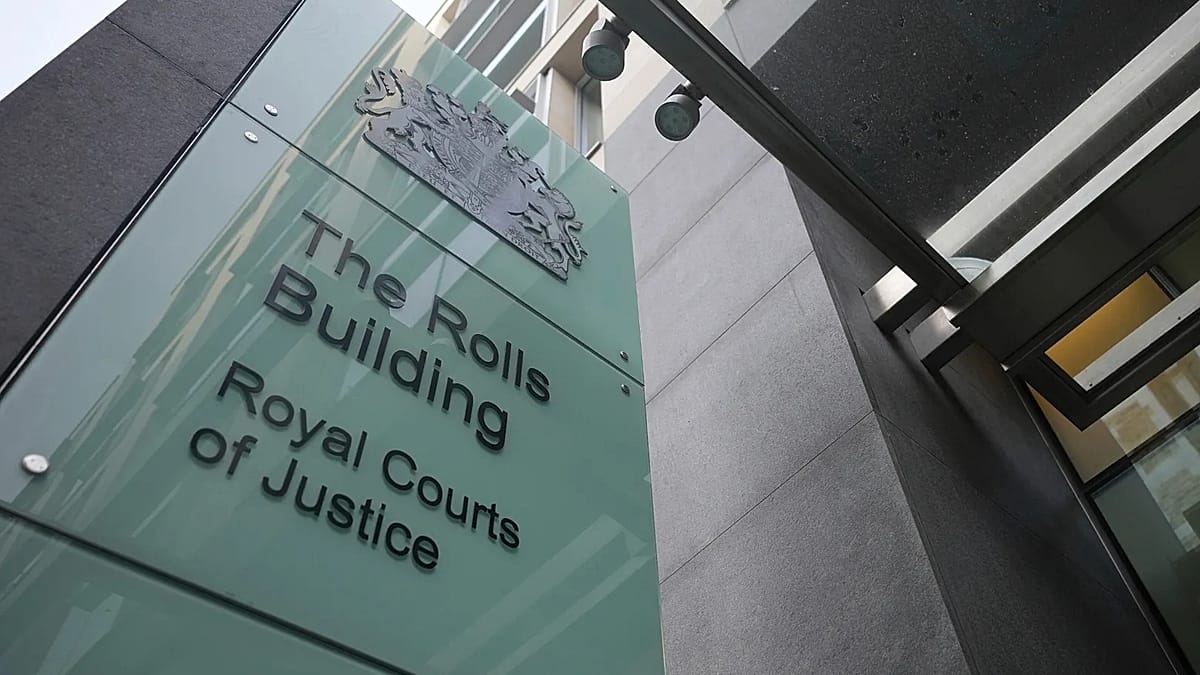 Former UK water company CEO charged over alleged water test fraud
euronews.com
Former UK water company CEO charged over alleged water test fraud
euronews.com
Matthew Wright, the former chief executive of Southern Water, has been charged in the UK with conspiring to defraud regulators by manipulating wastewater flows ahead of mandatory water-quality sampling, according to Euronews. Prosecutors say Wright and three others acted between 2012 and 2017 to influence test results, conduct that is a criminal offence under UK law. The charges were made public on 22 July after the High Court rejected an attempt to block the prosecution.
The allegation is mechanically simple: if a site is likely to fail a compliance test, change the conditions under which the sample is taken. The Environment Agency says former Southern Water employees deliberately ensured there was no wastewater flow when they believed a site might fail, turning a regulatory snapshot into a managed performance. Judge Andrew Popplewell described the claims as “carefully planned and extensive fraud and dishonesty at a high level,” adding that Wright faced “very serious allegations of criminal misconduct,” a formulation that points beyond a rogue technician and toward decisions that could survive internal scrutiny.
The case lands amid years of public anger over sewage pollution in rivers and coastal waters and a political push to tighten oversight of water companies. But the details also illuminate a more basic problem: compliance regimes built on periodic sampling create a calendar for gaming. When the sanction depends on what happens at the moment of inspection, the practical question inside a large utility becomes how to control that moment—especially when the service is essential, customers cannot easily walk away, and the costs of failure are dispersed across the environment and local communities.
Southern Water itself faces separate charges of breaching environmental permits linked to the same allegations, keeping the focus on corporate systems rather than a single executive. The Environment Agency called the High Court ruling a “significant judgment,” signalling that the prosecution is being treated as a test case for whether criminal law can reach boardroom-level behaviour in a sector that has long been policed mainly through civil penalties and negotiated undertakings.
If convicted, Wright could face up to 10 years in prison. The alleged conduct, prosecutors say, was not about improving wastewater treatment, but about ensuring the sample looked clean when the regulator arrived.