
Africa becomes largest hunger hotspot
UN food security report shows population growth outweighs slight prevalence drop, 2030 projections put most hunger on one continent
Images
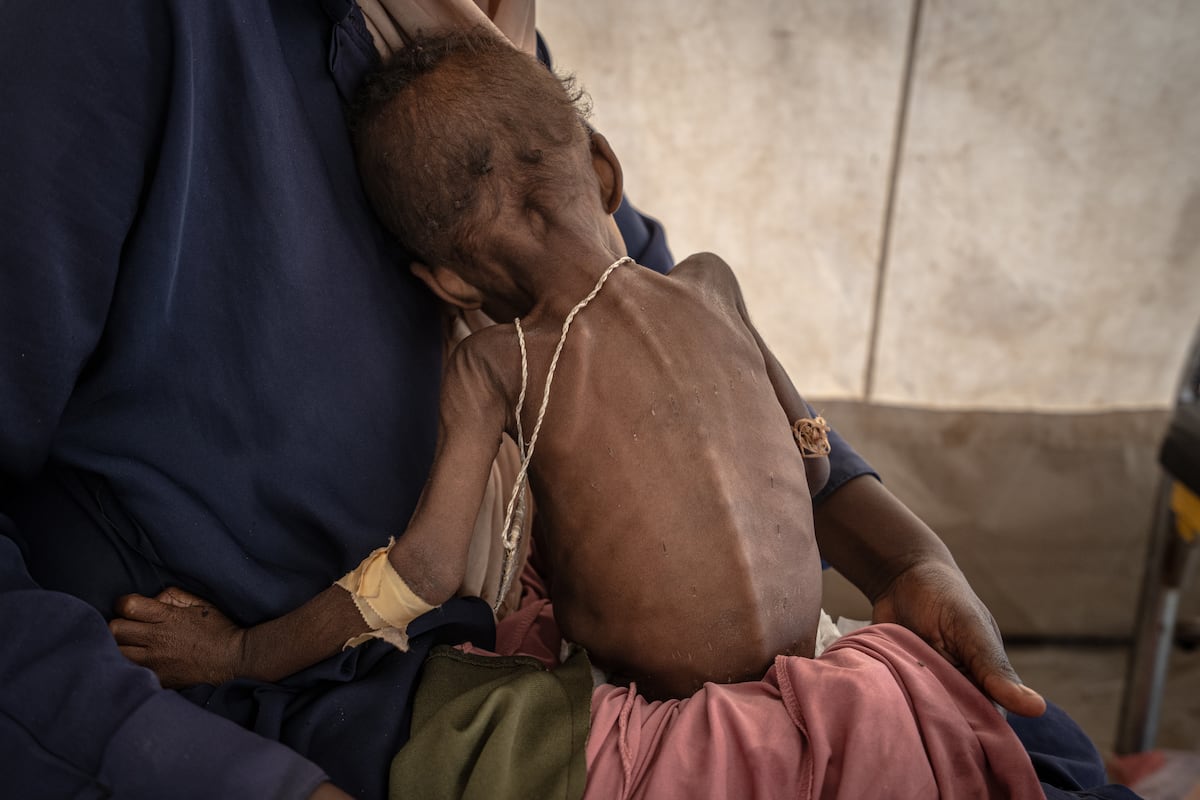 Africa becomes the global epicenter of hunger for the first time
english.elpais.com
Africa becomes the global epicenter of hunger for the first time
english.elpais.com
Africa overtook Asia as the region with the largest number of undernourished people in 2025, according to the UN-backed State of Food Security and Nutrition in the World 2026 report published on July 21. The report puts Africa at 309 million undernourished people, compared with 292 million in Asia, even as Africa’s hunger prevalence edged down slightly from 20.3% to 20%. The shift is driven less by a sudden collapse in food supply than by rapid population growth that turns small percentage changes into large absolute numbers.
Globally, the report describes a third consecutive annual decline in undernourishment, estimating between 608 million and 696 million people lacked sufficient food in 2025—about 14 million fewer than in 2024. The improvement is concentrated outside Africa: Asia cut the number of hungry people from 372 million in 2021 to 292 million in 2025, while Latin America and the Caribbean reduced hunger prevalence from 6.1% in 2020 to 4.8% in 2025, leaving 32 million undernourished. In Africa, by contrast, the prevalence rate moved only marginally, and the population base grew quickly enough to push the continent to the top of the global table.
The report’s authors warn that the numbers still lag behind current politics and finance. Cuts to development aid and the knock-on effects of the Middle East conflict—described in the article as the U.S. war with Iran and the closure of the Strait of Hormuz—are not yet fully reflected in the 2025 data. That timing matters because food insecurity is often a cash-flow problem before it becomes a crop problem: import bills, fuel costs, and disrupted shipping hit urban consumers and government budgets fast, while malnutrition shows up later in surveys.
UN officials quoted in El País point to a mixed picture inside Africa. Some countries—Tanzania, Senegal, Zambia, and partly Ethiopia—are cited as showing improvement linked to social protection and investment in food systems. But the broader trajectory remains off-target. IFAD president Álvaro Lario said progress is not moving as fast as desired, and FAO chief economist Máximo Torero argued that the continent’s slight fall in hunger prevalence is being overwhelmed by population growth in sub-Saharan Africa.
The report projects that between 510 million and 520 million people will still face hunger in 2030, with 56%—around 285 million—living in Africa. The world’s 2030 pledge to eradicate hunger is still on the books; the arithmetic in the latest UN report shows where the shortfall is expected to sit.
Africa’s hunger rate in 2025 was marginally lower than the year before. The number of Africans counted as undernourished was still higher than Asia’s.