
Greece blocks new EU Russia sanctions
Athens seeks exemption from 2027 ban on transporting Russian LNG, unanimity turns shipping interests into veto power
Images
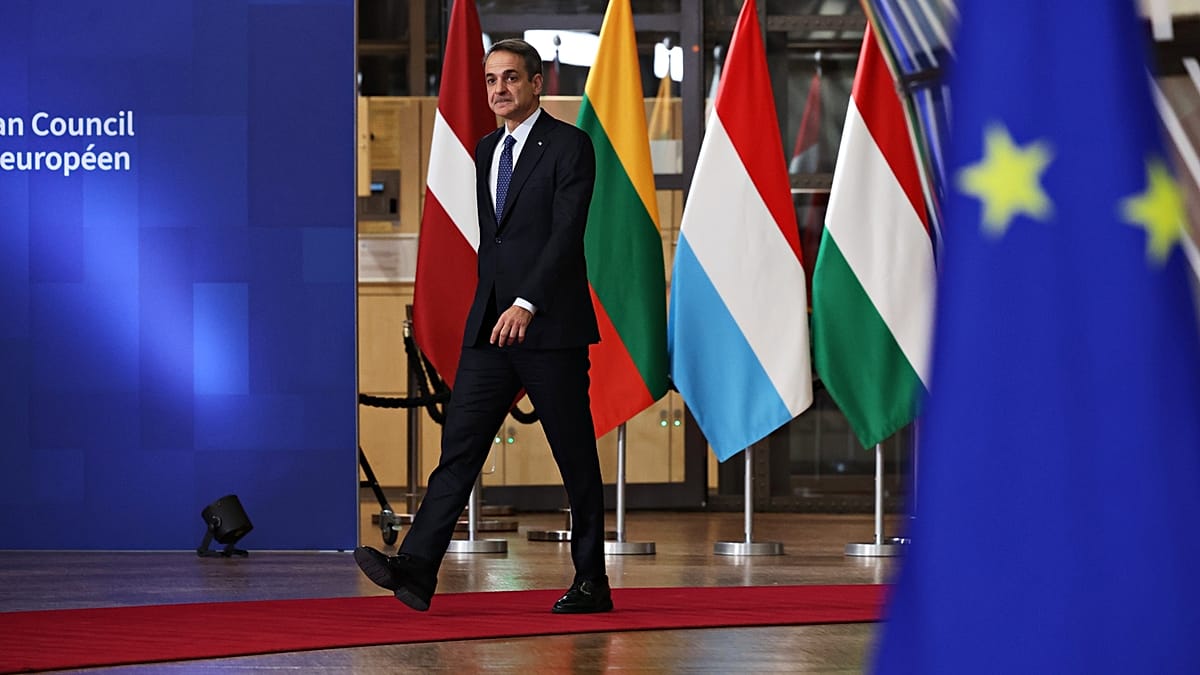 Three possible ways to lift the Greek veto on new Russia sanctions
euronews.com
Three possible ways to lift the Greek veto on new Russia sanctions
euronews.com
Greece is blocking the EU’s latest Russia sanctions package over a planned ban on transporting Russian liquefied natural gas, according to Euronews. The measure would prohibit the purchase, import or transfer — directly or indirectly — of LNG originating in or exported from Russia, and is set to take full effect on 1 January 2027. Athens wants the legal text revised so Greek shipping can keep moving Russian LNG after the cut-off date.
The dispute lands in a sector where Greece has unusual leverage: it hosts the world’s largest merchant fleet and sits at the junction between EU sanctions law and global shipping practice. Euronews notes that Dynagas, owned by Greek billionaire George Prokopiou, specialises in sub-zero LNG shipping and has chartered 11 vessels — including seven Arctic-resistant icebreakers — to Russia’s Yamal LNG facility. Greece and Dynagas argue that a transport ban would damage Europe’s maritime services industry, destroy jobs and hand business to foreign competitors, while doing little to dent Moscow’s war economy.
Other member states are frustrated because the underlying decision was previously endorsed unanimously, and diplomats cited by Euronews warn that reopening the text could invite similar carve-outs elsewhere. The European Commission is publicly holding the line: a spokesperson said on Monday that the ban “is in place and remains in place”, while the Commission prepares an economic analysis intended to rebut Greek claims and show the measure’s impact on Russia’s revenues.
The numbers in the same Euronews reporting explain why the argument is hard to keep purely symbolic. EU purchases from Yamal LNG reached almost €6 billion in the first half of 2026, with 136 cargoes and 9.97 million metric tons imported — a record for that period. That is direct income to Russia; but the transport ban also reaches beyond EU buyers, targeting the service layer that helps Russian LNG reach non-EU clients.
Euronews describes possible compromises if Athens keeps its veto. One option is delaying the transport ban while keeping the import ban, giving shippers more time to adjust and allowing the sanctions package to pass — at the cost of postponing the same fight to a later date. Another is Greece’s preferred outcome: removing the transport ban entirely, allowing indefinite shipping to non-EU destinations, with Asia described as the likeliest market for exempted cargoes.
For now, the Commission is betting that political pressure will outlast Athens’ insistence on rewriting a text other capitals do not want to touch. The deadline in the law is still 1 January 2027, and Greece’s veto is still in place.