
Daniel Ortega says Nicaragua will stop holding elections
Sandinista-controlled assembly prepares laws to block opposition, constitutional changes turn citizenship into a lever
Images
 bnonews.com
 bnonews.com
 bnonews.com
 bnonews.com
 bnonews.com
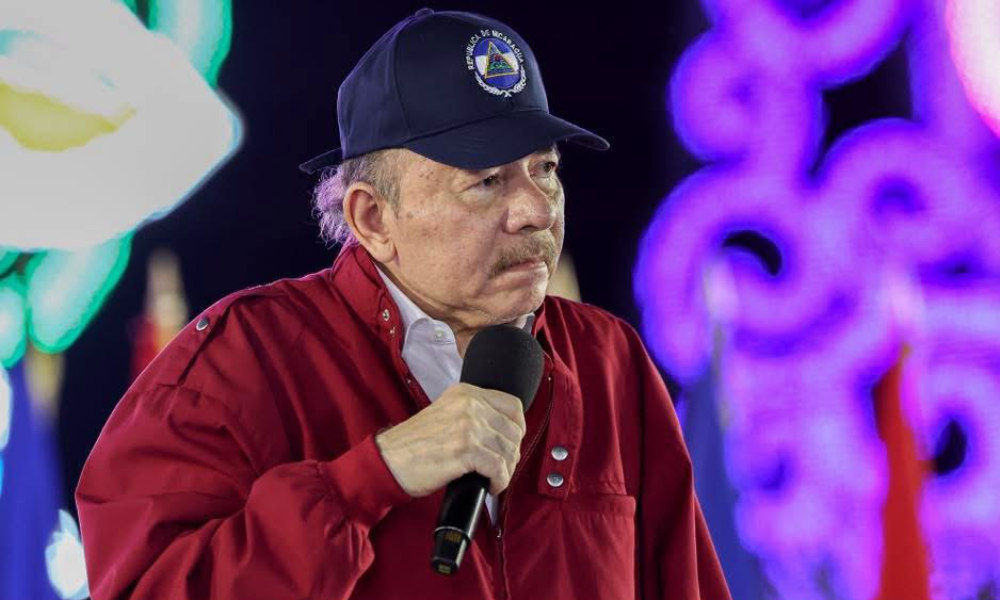
Nicaragua says it will stop holding elections, as President Daniel Ortega used a Managua anniversary speech to tell supporters that the opposition will not be allowed to take power through voting. BNO News reports Ortega said “there will be no more elections here,” while promising new laws through the Sandinista-controlled National Assembly to block what he called coup plotters and traitors. The announcement lands against a backdrop of already-shifting electoral calendars after constitutional changes that extended presidential terms.
Ortega has governed since 2007 and has spent the years since the 2018 protests tightening the state’s grip on parties, civic groups and independent institutions. Infobae reports exiled opposition figures described the statement as the culmination of a staged concentration of power: constitutional reforms in 2025 extended the presidential term, reduced checks and balances, and created a “co-president” role for Ortega’s wife Rosario Murillo. The same reform, according to Infobae, also legalized statelessness as a tool of repression, a legal mechanism that turns political conflict into an administrative act.
The practical effect is to move the regime’s main accountability risk from the ballot box to internal discipline and security services. Elections, even managed ones, impose recurring costs: campaigning requires some public contact, rival elites need placating, and international lenders and neighbours demand a minimum of procedural legitimacy. Removing elections removes those costs, but it also narrows the regime’s options when economic pressure rises, because there is no longer a low-friction way to reshuffle officials or absorb public anger through controlled change.
Ortega’s own framing, as quoted by BNO News, casts the opposition as a vehicle for foreign money and private enrichment, with schools and public services treated as spoils. That rhetoric is aimed at a domestic audience that has watched the state become the primary gatekeeper for jobs, permits and protection. When the government controls licensing, policing and courts, political competition is not just about policy; it is about who gets to decide which businesses operate and which organisations are allowed to exist.
The international response is likely to be loud and limited. A US lawmaker cited by BNO News called for increased pressure, but Nicaragua has already absorbed years of condemnation from the United Nations and the Organization of American States, and the regime has demonstrated a willingness to trade diplomatic isolation for internal control. The more the state relies on bans, denationalisations and party decrees to manage succession, the more it signals to allies and opponents alike that the rules are whatever the assembly votes through next.
General elections had been scheduled for November 2026 before constitutional changes shifted expectations to a later date. On Sunday in Managua, Ortega told supporters that the vote would not happen at all.