
Mexico escalates legal pushback against ICE-linked deaths
Sheinbaum seeks US investigations into 17 Mexican cases as regional governments hedge, deportation flights and tariffs turn enforcement into diplomacy
Images
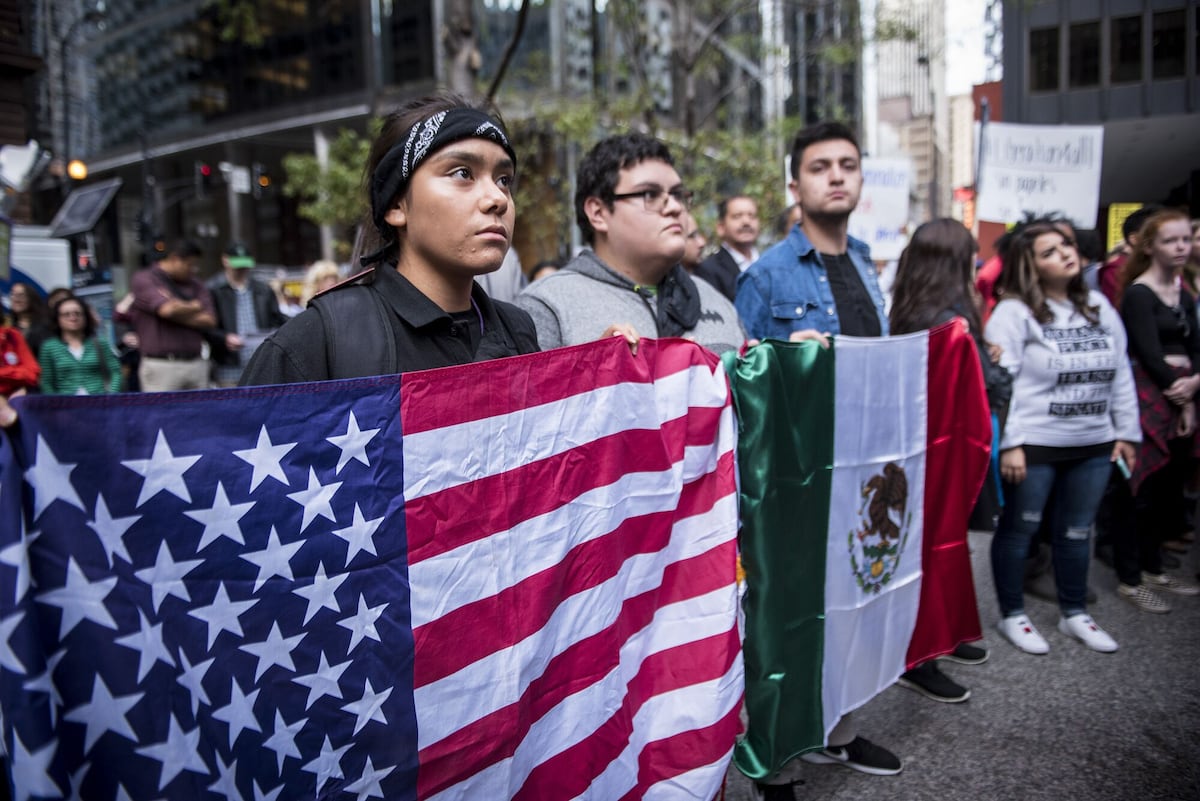 Mexico leads Latin America’s pushback against Trump’s migrant crackdown
english.elpais.com
Mexico leads Latin America’s pushback against Trump’s migrant crackdown
english.elpais.com
Two people were shot dead during ICE operations and another died in custody over a 10-day span, according to El País, as Mexico’s government escalated its response to the Trump administration’s immigration enforcement. President Claudia Sheinbaum said Mexico would seek investigations in US courts into the deaths of 17 Mexican nationals linked to ICE actions, while also referring the issue to the UN High Commissioner for Human Rights.
El País reports that the recent cases include Lorenzo Salgado Araujo, a Mexican national who was driving to work in Texas when ICE agents stopped him after mistaking him for someone else they were seeking, and Johan Sebastián Durán Guerrero, a Colombian on his way to work in Maine who was also not the target of the operation. In the Maine case, Colombia’s government demanded what it called a prompt, transparent and impartial investigation; Petro went further, urging a formal complaint against the ICE officer involved and posting an image of the agent on X. A Venezuelan national, José Manuel Arenas, died of a heart attack while being transferred between detention facilities in Georgia, El País says; Venezuela did not publicly respond.
The reported deaths sit inside a larger tally that El País attributes to the Trump administration’s enforcement posture: at least 62 deaths over 18 months, most of them in detention centres, with the remainder during enforcement operations. The list includes US citizens, a detail that complicates the usual diplomatic choreography in which foreign ministries can frame custody deaths as problems that happen only to foreigners. It also points attention at the places where many of these deaths occur. El País notes that detention centres are often run by private contractors, and human-rights organisations argue that basic hygiene and healthcare standards are not met.
Mexico’s decision to push the issue through US legal channels—via the Department of Justice and state prosecutors where deaths occurred—puts a practical question on the table: who is responsible for errors and fatalities when an enforcement agency is rewarded for speed and volume. A mistaken identity stop that ends in death is not a border policy argument; it is an operational failure that has to be priced and assigned to someone. The same logic applies to deaths in custody, where oversight is dispersed among federal agencies, local jurisdictions and contracted operators.
The regional politics are shifting at the same time. El País describes Mexico as one of the few Latin American governments openly pushing back as many of the region’s governments align with the right. Colombia illustrates how quickly resistance can be converted into compliance: Petro previously refused to accept deportation flights, then relented after Trump imposed tariffs on Colombian imports, El País reports. Colombia’s president-elect, Abelardo de la Espriella—described by El País as a Trump ally—had not commented on the recent Maine death.
Mexico’s migrant community in the US is vast, and El País notes that Mexicans account for the highest number of deaths involving ICE among foreign nationals. Sheinbaum’s promise to pursue the cases through US courts turns those deaths into an ongoing bilateral file rather than a series of isolated incidents.
The latest pushback is being built from court filings, consular complaints and death certificates. The enforcement campaign is being measured the same way.