
Trump administration seeks phone records of New York Times journalists’ relatives
Subpoenas tied to leak probe over Qatari-donated aircraft reporting, source-hunting expands beyond the newsroom
Images
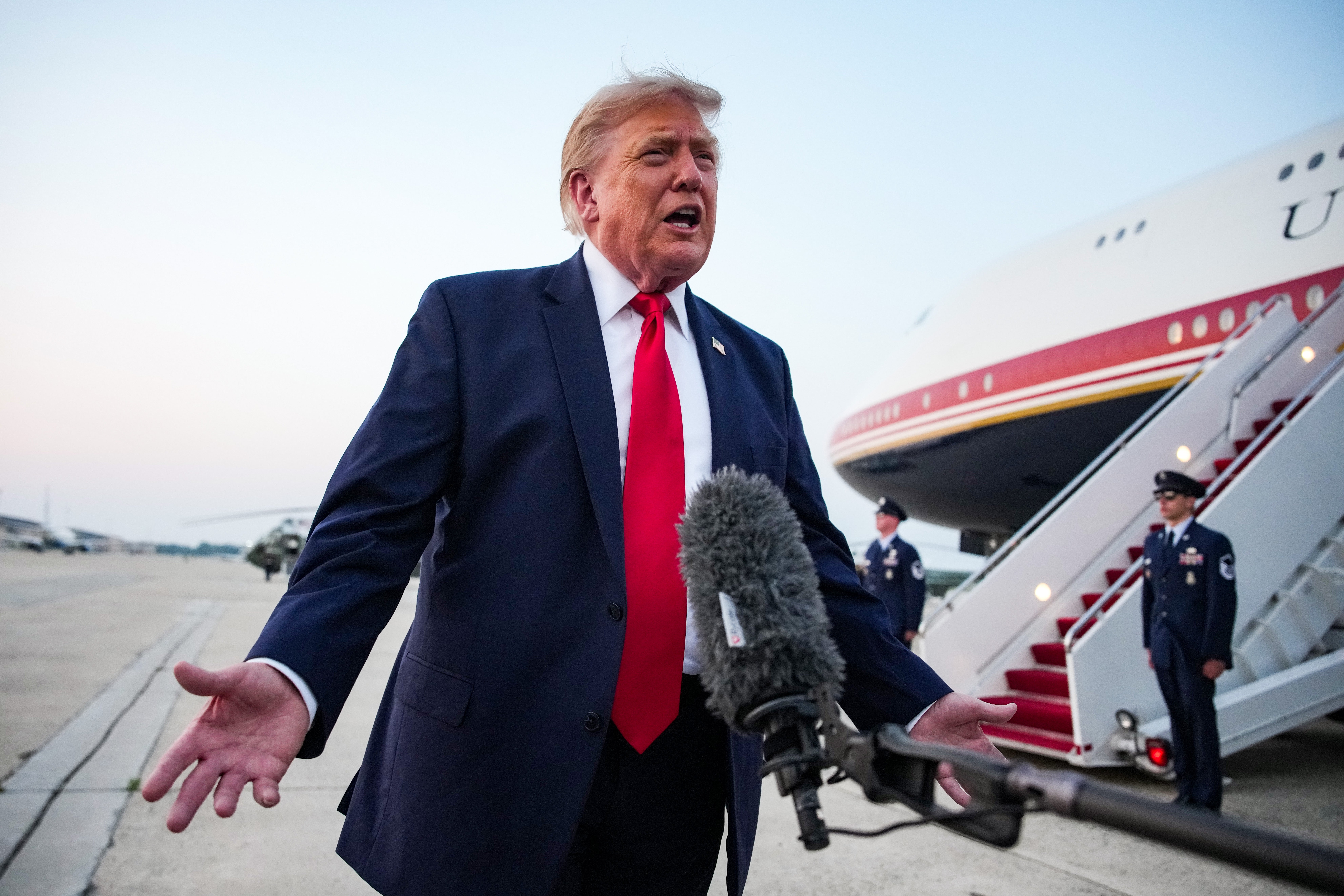 The Trump administration has gone after the phone records of journalists’ relatives in its leak investigation concerning the president’s gifted Qatari-gifted Air Force One plane, court documents show (Getty)
Getty
The Trump administration has gone after the phone records of journalists’ relatives in its leak investigation concerning the president’s gifted Qatari-gifted Air Force One plane, court documents show (Getty)
Getty
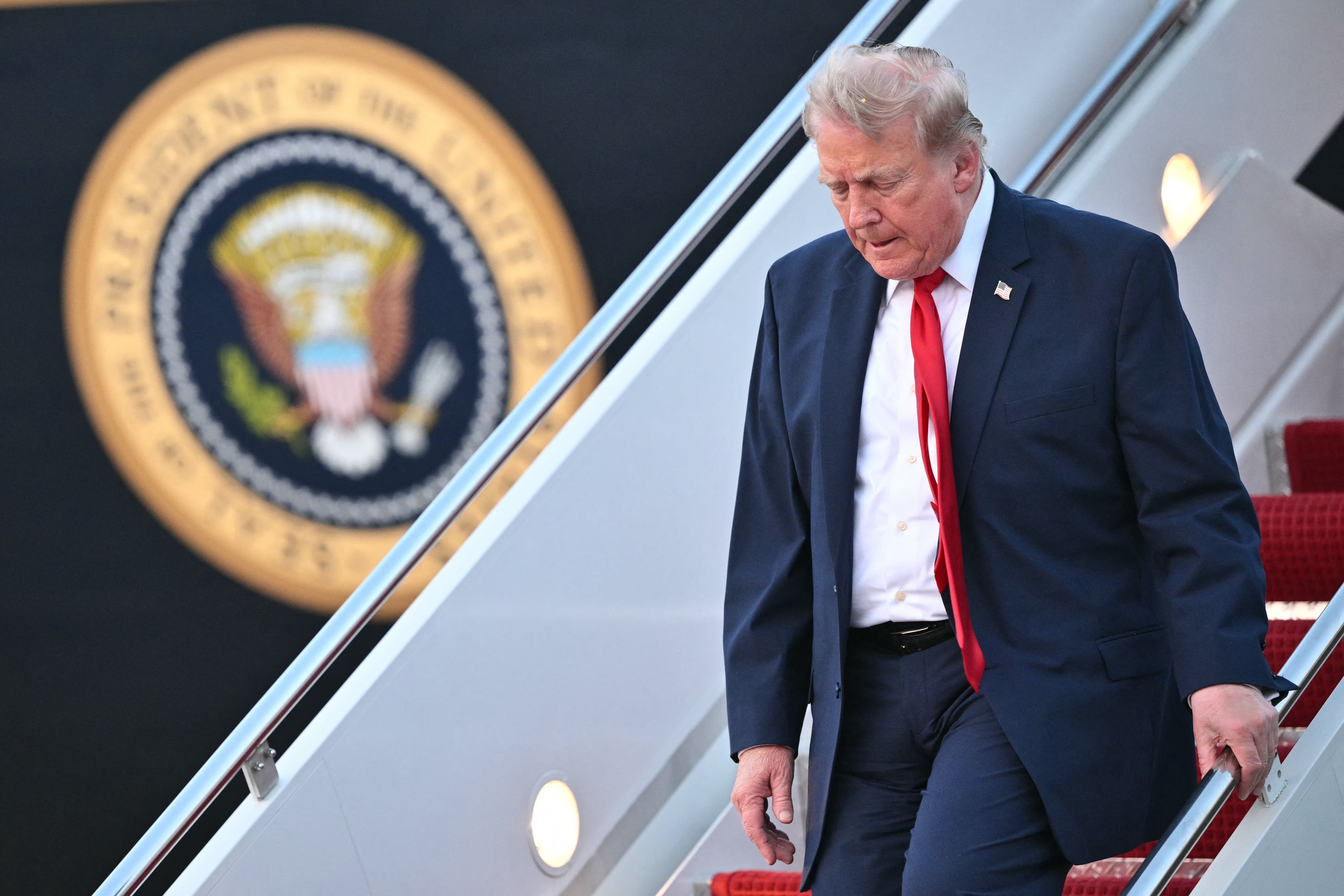 Subpoenas were issued to multiple journalists at The New York Times last week after the newspaper reported on security concerns about Donald Trump’s new jet in what the newspaper characterized as an ‘extraordinarily aggressive and unorthodox attempt to unearth confidential sources’ (AFP/Getty)
AFP/Getty
Subpoenas were issued to multiple journalists at The New York Times last week after the newspaper reported on security concerns about Donald Trump’s new jet in what the newspaper characterized as an ‘extraordinarily aggressive and unorthodox attempt to unearth confidential sources’ (AFP/Getty)
AFP/Getty
The Trump administration has issued subpoenas seeking phone records not only from New York Times journalists but also from their relatives, as part of an investigation into leaks linked to reporting on a gifted Qatari aircraft intended for presidential use. According to The Independent, Times lawyers have moved to quash the subpoenas, calling them an unusually aggressive attempt to identify confidential sources. The demands include records tied to a reporter’s mother and to the spouses of two journalists.
The detail that turns an already familiar leak hunt into something broader is the choice of targets. One of the relatives whose records were sought is a mental health professional with her own confidentiality obligations, the Times’ filing notes; one spouse is the general counsel of a major law firm. Those are not incidental connections. They are people whose work depends on private communications, and they are also obvious pressure points if the goal is to widen the circle of surveillance beyond the newsroom.
The administration says the reporters are not the targets and that the investigation is aimed at those leaking classified information. In practice, the mechanism is the same: compel metadata and call logs, then work backwards to build a map of contacts. The Independent reports the subpoenas followed a Times story about security concerns surrounding the Qatari-donated aircraft, including the absence of some defensive countermeasures present on the older plane. Before publication, an FBI official asked the newspaper to hold the story on national security grounds.
Trump later told reporters the gifted plane was being taken out of service to be “maxed out” with capabilities, language that appeared to track the Times’ reporting even as he denied that security concerns drove his decision to fly an older aircraft. That sequence—request to delay, publication, then a leak inquiry—shows how quickly a reporting dispute can become a records dispute.
Press-freedom advocates argue the tactic is designed to chill reporting rather than protect secrets. Seth Stern of the Freedom of the Press Foundation told The Independent that dragging relatives into the net is unrelated to national security and aimed at deterring journalism. The Times has warned of further subpoenas for newsgathering information.
The immediate question now is procedural: whether a court will narrow or void the subpoenas before records are produced. In the meantime, the administration has made clear that in a leak investigation, the boundary of the newsroom can extend to family phone bills.