
Floods kill dozens in Afghanistan Nuristan province
Parun reports more than 100 missing as riverside markets collapse, residents search without equipment
Images
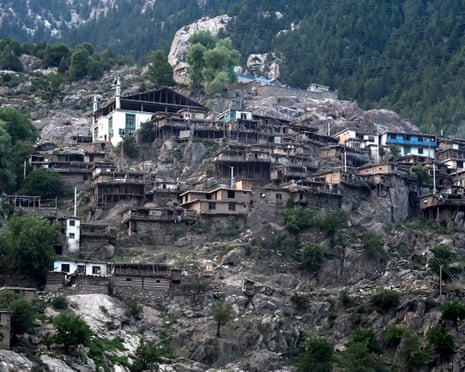 Precarious mountainside homes in the Parun district of Afghanistan’s Nuristan province last month. Photograph: Wakil Kohsar/AFP/Getty Images
theguardian.com
Precarious mountainside homes in the Parun district of Afghanistan’s Nuristan province last month. Photograph: Wakil Kohsar/AFP/Getty Images
theguardian.com
At least 20 people were killed and more than 80 injured after flooding hit Afghanistan’s Nuristan province, according to The Guardian, citing local and national officials. In Parun, the provincial capital, 105 people including the mayor were reported missing, a provincial spokesperson said. Residents were shown searching without equipment as floodwaters tore through riverside areas where markets and shops sit close to the water.
The immediate disaster is being described in the language of rescue and recovery, but the reporting also sketches a more durable constraint: the state’s thin capacity to respond to recurring shocks. An NGO head in Parun told AFP that the municipality was “completely destroyed,” including hotels and dozens of shops, while the national disaster management agency spoke of “severe financial and human losses.” That phrasing matters in a place where private savings and informal credit often substitute for insurance, and where rebuilding costs are borne locally even when the destruction is national news for a day.
Officials pointed to extreme rainfall, and the article links heavier downpours to warmer air holding more water vapour. What follows from that is less meteorology than arithmetic. When floods become more frequent, every washed-out road, collapsed building and lost inventory turns into a compounding bill: fewer trading days for small merchants, higher prices for basic goods, and another round of migration from isolated valleys toward cities or across borders. In Nuristan, where settlements are rugged and access is difficult even in good weather, the difference between a functioning bridge and a destroyed one is the difference between an injury treated and an injury that becomes a death.
The Afghan government’s chief spokesperson confirmed deaths and damage in a post on X, and said rescue efforts were under way. But the images described from Parun—boulders left in streets, people digging and searching without gear—capture the operational gap more clearly than any statement. A disaster response that arrives late or arrives with little equipment does not just fail the missing; it changes how everyone else plans, pushing families and businesses to keep more resources idle “just in case,” or to leave altogether.
In Parun, the flood did not only take lives; it also erased the riverside commercial strip that made the town work. The search for the missing was continuing with residents doing much of the work themselves.