
Skyroot Vikram-1 reaches orbit on debut launch
India’s first privately developed rocket flies from Sriharikota, commercial space arrives through a state-owned range
Images
 Credit:
R. Satish Babu/AFP via Getty Images
Credit:
R. Satish Babu/AFP via Getty Images
 Credit:
ISRO
Credit:
ISRO
 Credit:
Skyroot Aerospace
Credit:
Skyroot Aerospace
 Photo of Stephen Clark
arstechnica.com
Photo of Stephen Clark
arstechnica.com
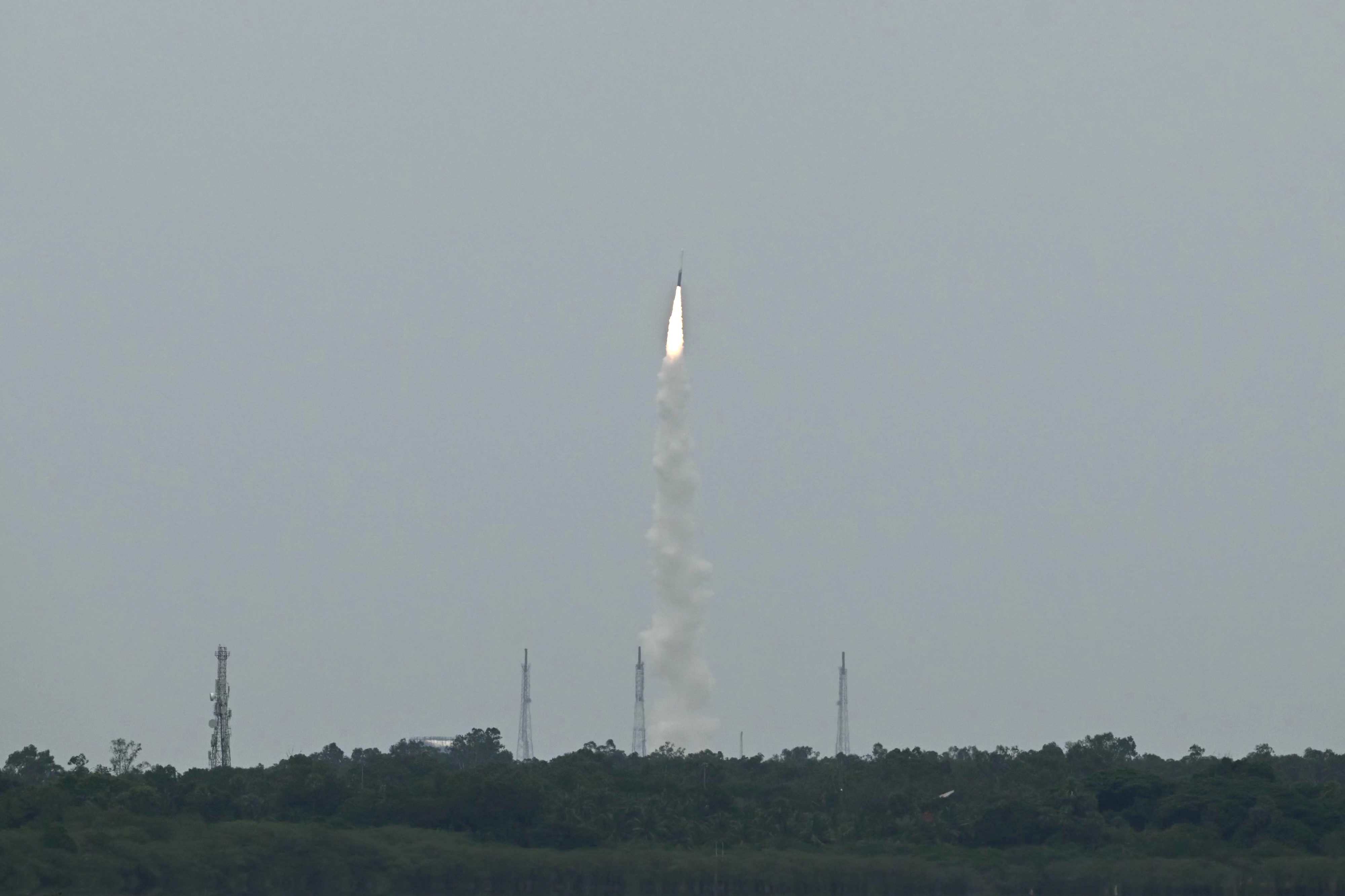
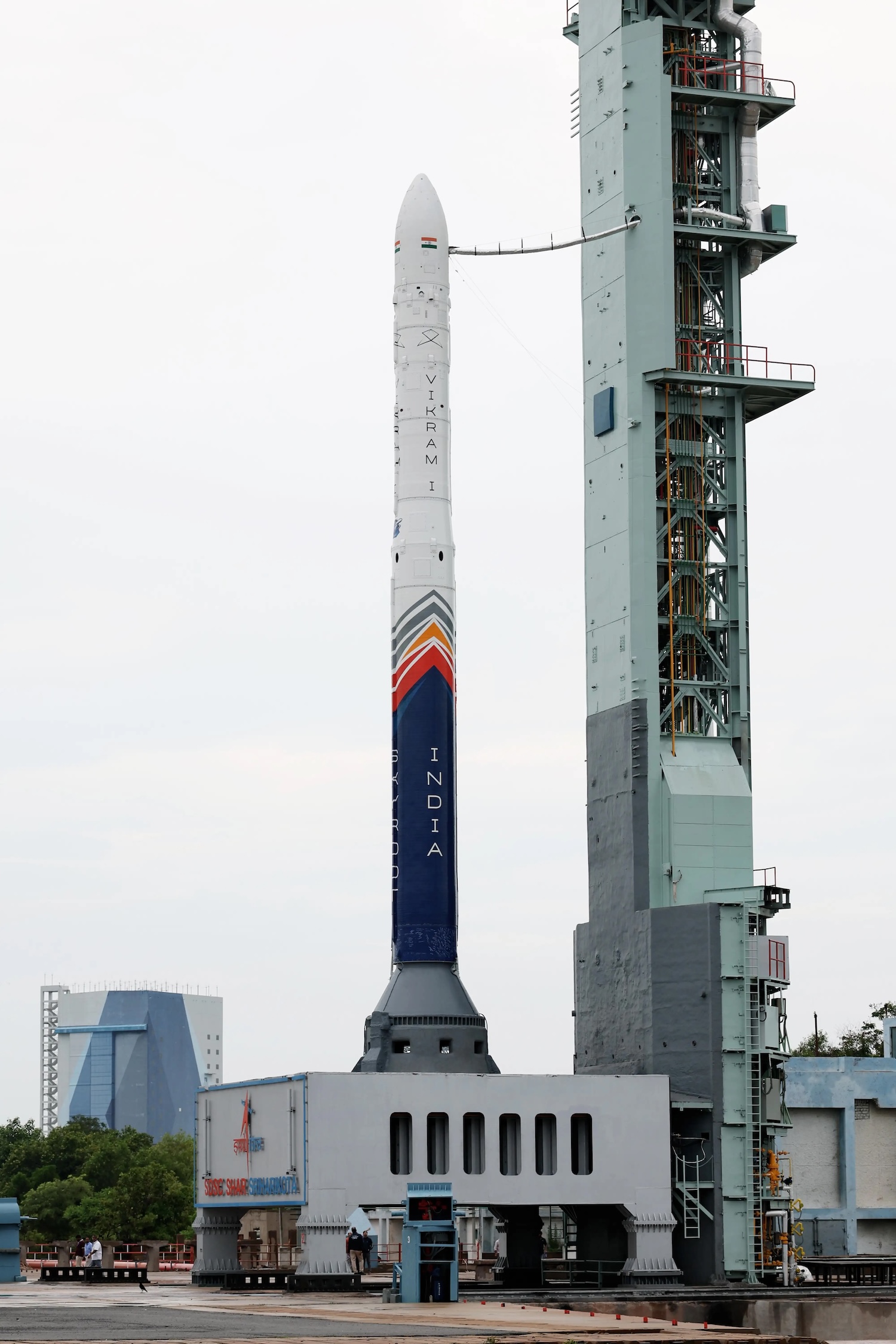
Skyroot Aerospace put India’s first privately developed orbital rocket into space over the weekend, with its Vikram-1 launcher reaching orbit after lifting off from Sriharikota, according to Ars Technica. The flight was delayed by more than half an hour by a last-minute technical issue, but the rocket ultimately released its intended satellites.
The debut matters because India’s space programme has historically been dominated by the state-run ISRO, with private firms operating as suppliers rather than independent launch providers. Vikram-1 is described as a fully commercial satellite launcher, designed for small payloads, and its first-flight success stands out in an industry where inaugural launches often fail. Ars Technica notes that SpaceX’s Falcon 1 required multiple attempts to reach orbit, and Rocket Lab’s Electron did not succeed on its first launch.
A working private launcher changes the bargaining dynamics inside India’s space ecosystem. If customers can buy launches from a domestic firm rather than queue for state capacity, pricing pressure shifts from parliamentary budgets to contract performance. It also changes who carries the cost of mistakes: a commercial operator that misses schedules or loses payloads risks losing future orders, while a state programme can roll setbacks into the next budget cycle.
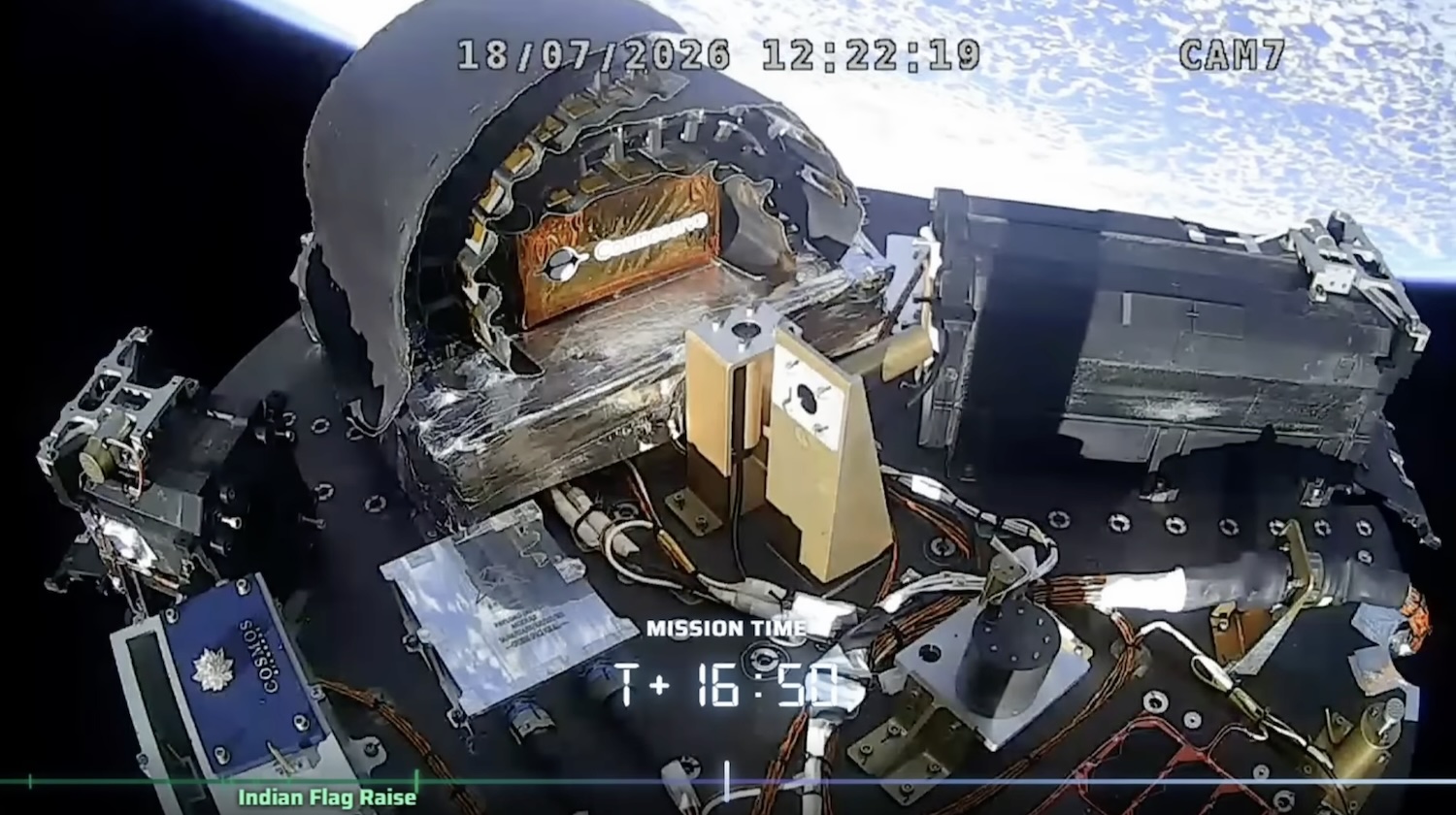
The flight itself showed why investors and insurers care about operational details. Ars Technica reports that during separation between the third and fourth stages, the spent third-stage motor lingered near the fourth stage briefly instead of moving away, a moment captured by onboard cameras. The liquid-fuelled fourth stage still ignited and accelerated the vehicle to orbital speed, with US military tracking data confirming the rocket’s arrival in orbit.
India has been encouraging private participation, but the country’s launch market will still be shaped by state gatekeeping: range access, licensing, and the cadence of missions out of the national spaceport. The more private firms demonstrate they can deliver without tying up public infrastructure, the easier it becomes for policymakers to claim “commercialisation” without actually relinquishing control.
Vikram-1 lifted off from the Satish Dhawan Space Center at Sriharikota and reached orbit on its first attempt. For now, India’s commercial launch sector has a working rocket and a single data point that will be hard for the rest of the industry to ignore.