
Andrew and Tristan Tate arrested in Miami
UK prosecutors announce new rape and trafficking charges and seek extradition, celebrity-scale audiences turn procedure into the battleground
Images
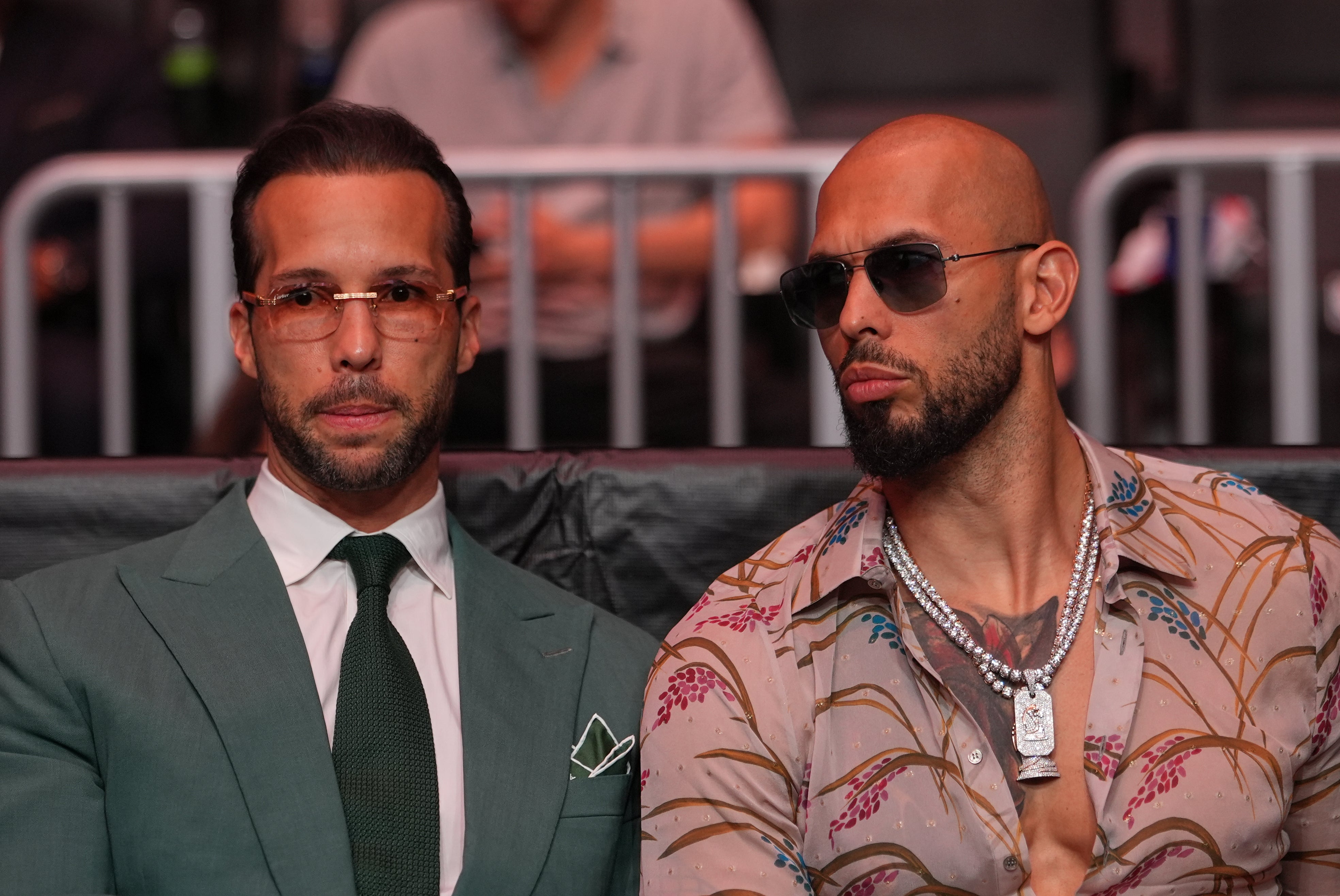 U.S. Marshals arrested influencers Tristan Tate (left) and Andrew Tate (right) on Saturday in Miami as UK officials announced a series of new sexual violence allegations against the brothers (Getty)
Getty
U.S. Marshals arrested influencers Tristan Tate (left) and Andrew Tate (right) on Saturday in Miami as UK officials announced a series of new sexual violence allegations against the brothers (Getty)
Getty
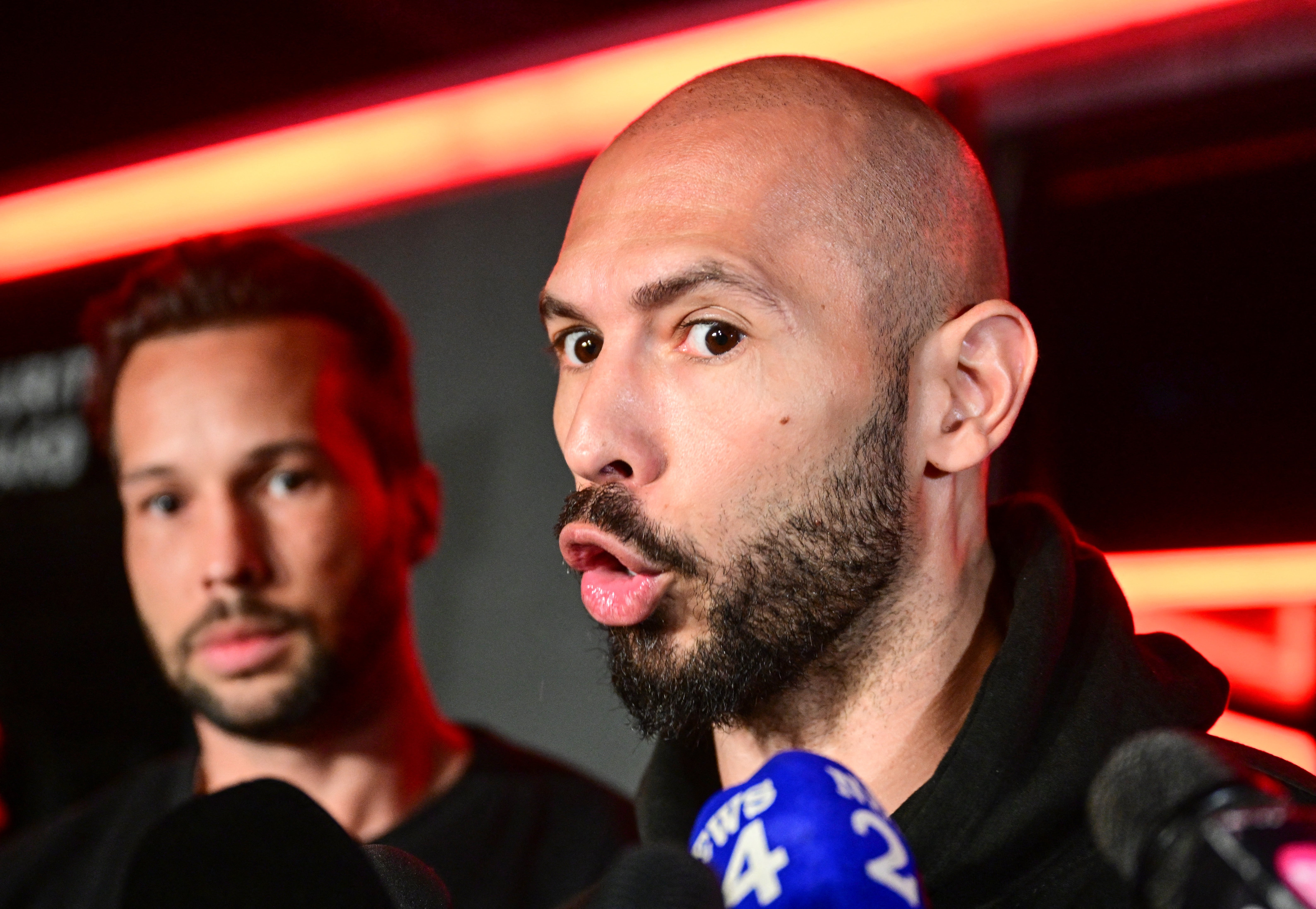 UK officials are seeking to extradite the Tates to face a litany of sex crimes charges, allegations which they deny (AFP/Getty)
AFP/Getty
UK officials are seeking to extradite the Tates to face a litany of sex crimes charges, allegations which they deny (AFP/Getty)
AFP/Getty
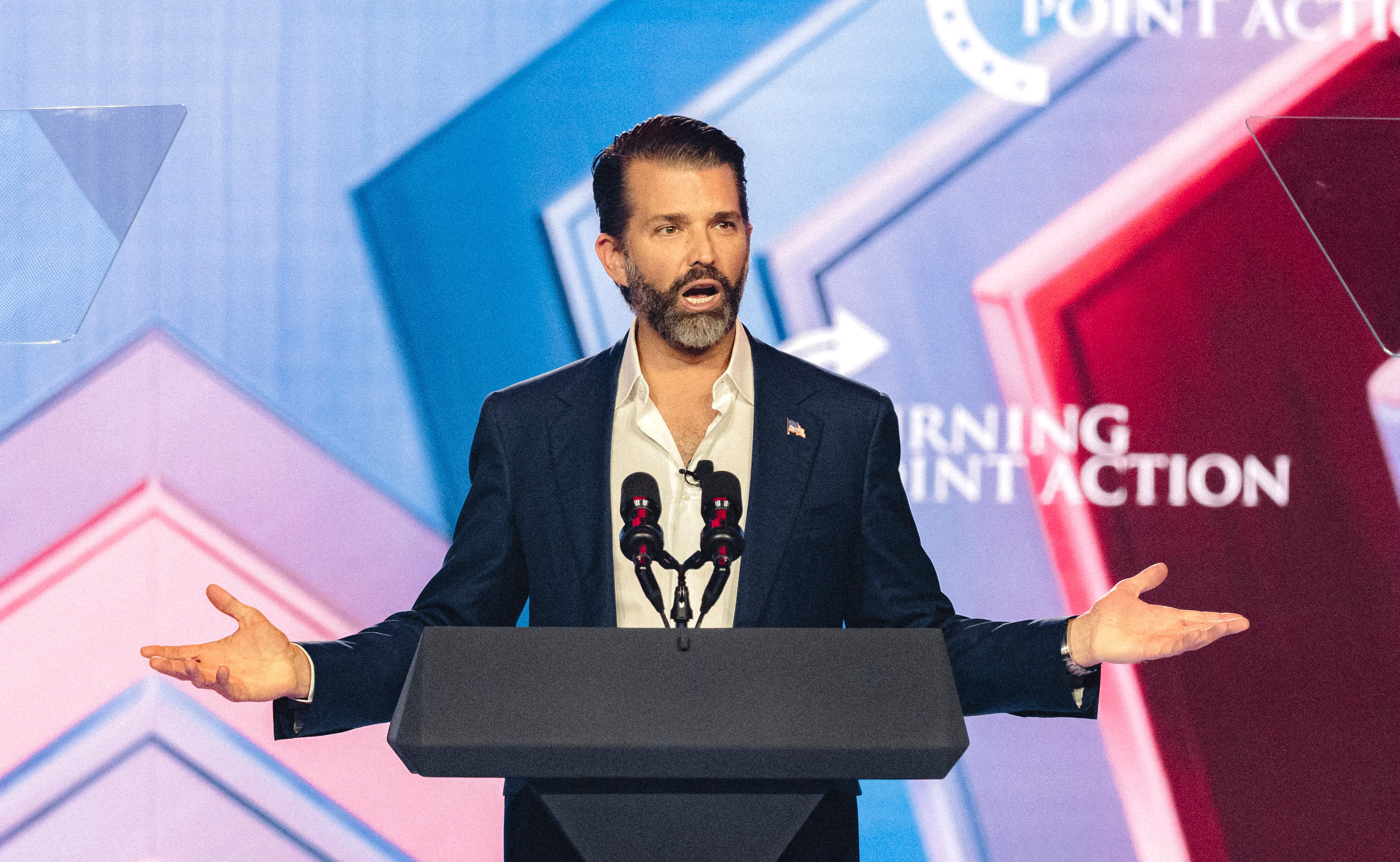 Members of the Trump inner circle, including the president’s sons Donald Trump Jr. and Barron Trump, have reportedly interacted with Andrew Tate in the past, and Tate reportedly claimed the White House helped him escape travel restrictions in Romania and return to the US (AFP/Getty)
AFP/Getty
Members of the Trump inner circle, including the president’s sons Donald Trump Jr. and Barron Trump, have reportedly interacted with Andrew Tate in the past, and Tate reportedly claimed the White House helped him escape travel restrictions in Romania and return to the US (AFP/Getty)
AFP/Getty
U.S. marshals arrested Andrew and Tristan Tate in Miami after British prosecutors announced a fresh set of charges that include rape and trafficking-related offences, according to the Independent. The UK’s Crown Prosecution Service said it is seeking extradition, adding to earlier allegations that have followed the brothers across jurisdictions since their 2022 arrest in Romania.
According to the CPS, the new UK case covers alleged offences said to have occurred between 2010 and 2017 and involves four victims. The Independent reports that prosecutors listed charges including rape, arranging or facilitating trafficking for sexual exploitation, and offences relating to indecent images of a child. The brothers deny wrongdoing, and their lawyer, Joseph D. McBride, described the allegations as baseless while signalling a fight against extradition.
The Tate case has become a working example of how celebrity-scale audiences complicate ordinary criminal procedure. Online reach turns legal milestones into content, and content into pressure: supporters frame investigations as political persecution, critics treat delays as proof of impunity, and every procedural step becomes a referendum on institutions rather than evidence. The Independent notes that the Romanian case has moved slowly and that Romanian authorities allowed the brothers to leave in 2025; they relocated to the United States in early 2025. That kind of timeline matters because extradition is less a straight line than a queue—cases stack, courts coordinate, and defendants with resources can litigate at every junction.
The cross-border element also exposes a practical asymmetry. Prosecutors must assemble witness testimony, digital records, and jurisdictional permissions across multiple legal systems, while defendants can concentrate their effort on the narrow chokepoints—bail, travel restrictions, and extradition hearings—that determine where a case is fought. The Independent reports that McBride said there was a prior understanding between the UK and Romania not to extradite while Romanian proceedings were ongoing, a claim that underlines how much discretion sits in the gaps between formal treaties and real-world sequencing.
The story’s political halo is part of the machinery now. The Independent reports the brothers’ ties to right-wing media figures and contacts in Donald Trump’s circle, including a reported meeting with Donald Trump Jr. years ago, and a claim by Andrew Tate that the White House helped him return to the US. Whether or not such claims withstand scrutiny, they function as a deterrent signal to officials who know that any move will be interpreted through partisan narratives.
For now, the concrete fact is that the brothers were taken into custody in Miami while UK prosecutors publicised new charges and an extradition request. The next decisive event will not be a viral clip but a court date that determines which country gets to put the allegations on a witness stand.