
Andy Burnham moves to scrap UK digital ID plan
Labour resets priorities after Brit card backlash, a national database dies again before a public budget appears
Images
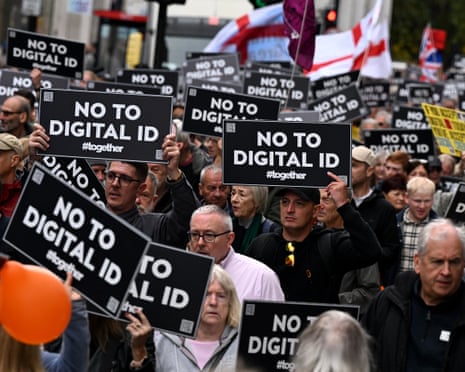 A London march against digital ID cards in October 2025. A petition opposing Keir Starmer’s plan attracted about 3m signatures. Photograph: Chris J Ratcliffe/AFP/Getty Images
theguardian.com
A London march against digital ID cards in October 2025. A petition opposing Keir Starmer’s plan attracted about 3m signatures. Photograph: Chris J Ratcliffe/AFP/Getty Images
theguardian.com
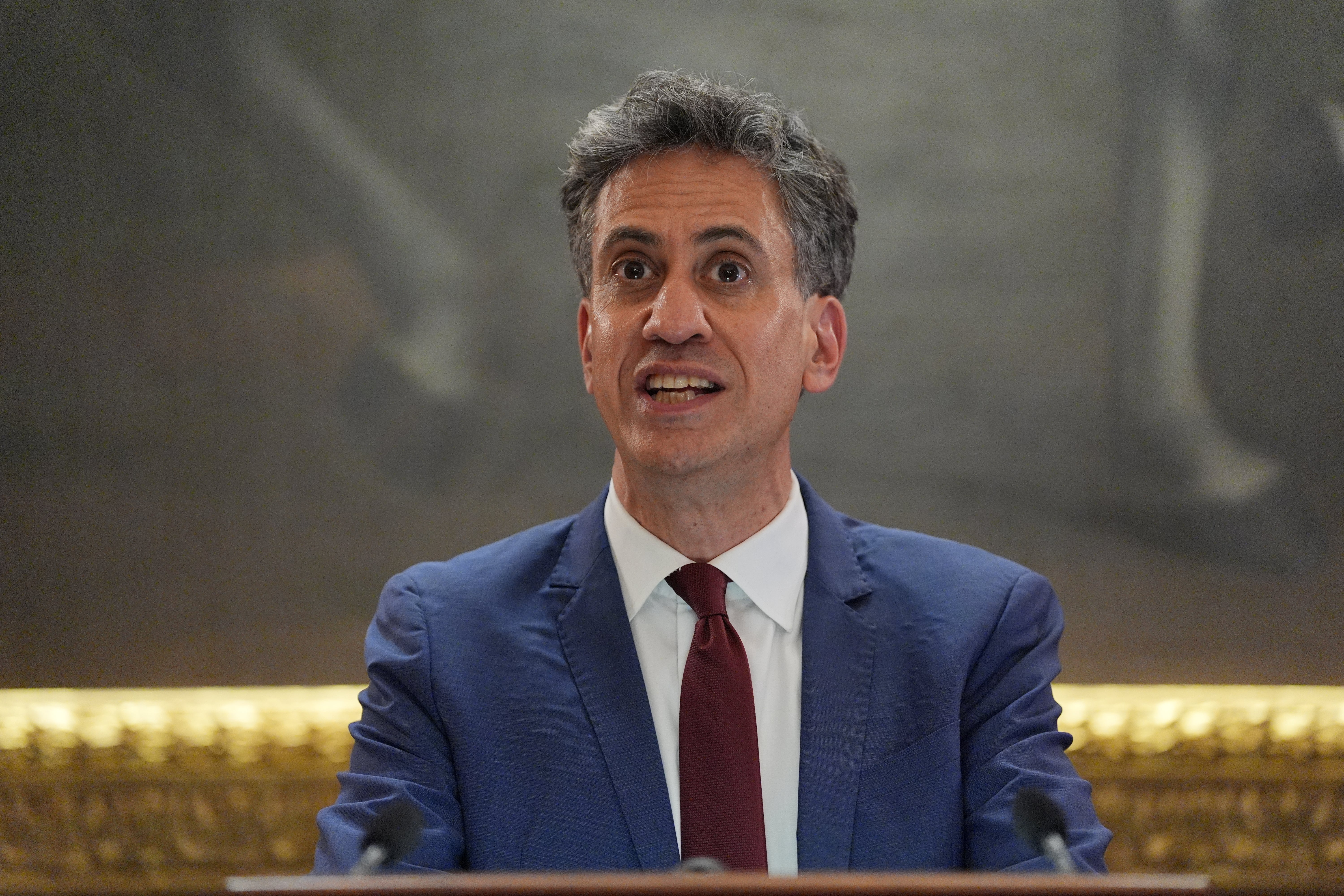 Ed Miliband is expected to be asked to reform the Foreign Office (PA) (PA Wire)
PA Wire
Ed Miliband is expected to be asked to reform the Foreign Office (PA) (PA Wire)
PA Wire
 Andy Burnham is expected to set out his plans when he takes over as prime minister on Monday, with reports suggesting he could back more drilling in the North Sea (Gareth Fuller/PA) (PA Wire)
PA Wire
Andy Burnham is expected to set out his plans when he takes over as prime minister on Monday, with reports suggesting he could back more drilling in the North Sea (Gareth Fuller/PA) (PA Wire)
PA Wire
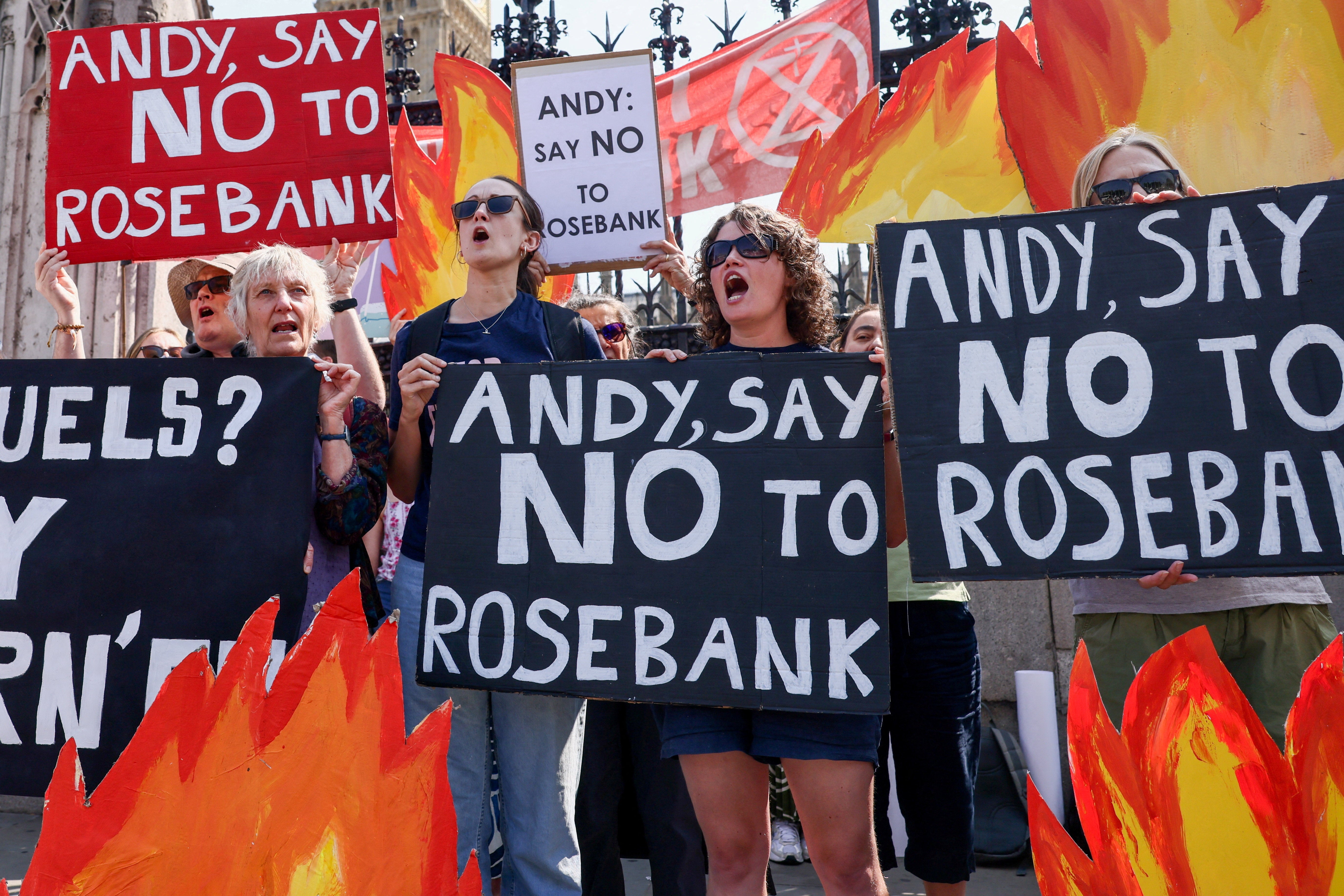 Climate change activists protest in London against more drilling (Reuters)
Reuters
Climate change activists protest in London against more drilling (Reuters)
Reuters
Andy Burnham is expected to scrap Keir Starmer’s planned digital ID scheme when he becomes UK prime minister on Monday, according to The Guardian. The proposal, branded the “Brit card”, was due to be rolled out by 2029 and would have been compulsory for people needing to prove their right to work. A petition opposing the plan attracted about 3 million signatures, the paper reports.
The reversal lands as a test of how quickly a new leader can unwind a flagship policy that had already gathered a supporting ecosystem. Starmer framed the scheme as a tool against illegal working and as part of a tougher border posture; the Tony Blair Institute welcomed it as a step toward modernising public services and “building trust”, according to The Guardian. But even supporters struggled to anchor the plan to a clear price tag: the Office for Budget Responsibility suggested it could cost about £1.8 billion, an estimate officials rejected, while the government itself did not publish a clear budget. That ambiguity matters because it turns a debate about civil liberties and state capacity into a more basic question of procurement and delivery: if nobody can say what it costs, nobody can be held to a result.
Burnham’s stated alternative is to redirect attention and resources to the cost of living. In practice, that means the immediate political payoff comes from cancelling a controversial build rather than delivering a measurable improvement—especially when the savings from cancellation are, by the government’s own accounting, uncertain. The Independent reports Burnham is also preparing a broader first-day policy blitz that includes foreign policy repositioning and possible cabinet changes, with Labour sources discussing Foreign Office reform and a roadmap back to spending 0.7% of GDP on international aid. That agenda cuts across the same institutional terrain as the ID plan: large, centralised systems that promise control and coherence, but which depend on data handling, interdepartmental coordination, and public consent that can evaporate in one scandal.
Digital ID has been here before. Tony Blair’s government legislated for ID cards in 2006, and the coalition government scrapped the project in 2011, leaving behind sunk costs and a cautionary tale about building national databases faster than trust can be earned.
This time, the “Brit card” is being mothballed before a public budget is even agreed. On Monday, Burnham will inherit the machinery that designed it—and the question of what else that machinery will be tasked to build instead.