
Jens Spahn resigns as CDU CSU parliamentary leader
Surrogacy in United States triggers internal revolt and church criticism, Germany’s ban survives by pushing the practice abroad
Images
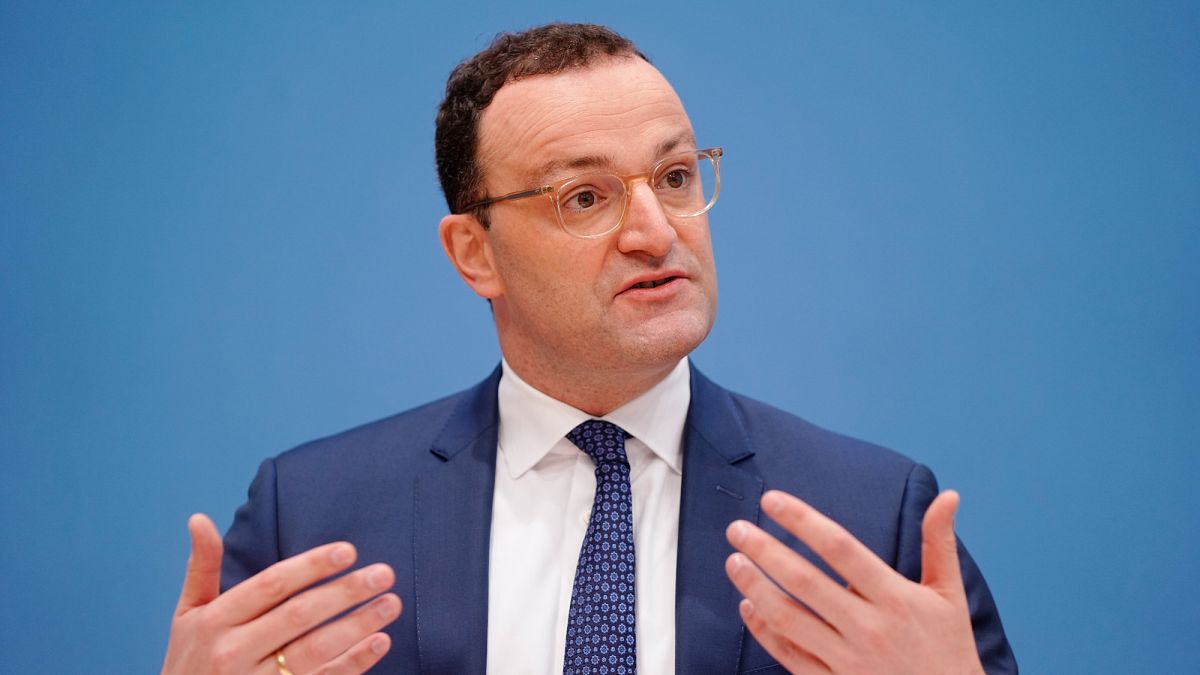 CDU's Jens Spahn resigns amid growing scrutiny over surrogate baby
euronews.com
CDU's Jens Spahn resigns amid growing scrutiny over surrogate baby
euronews.com
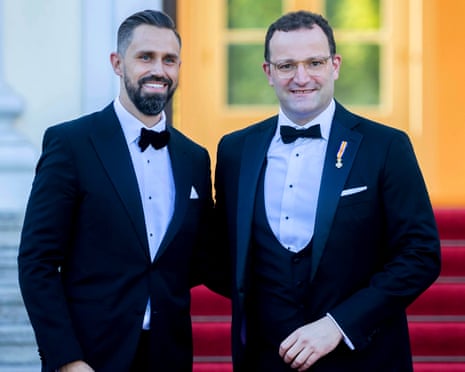 Jens Spahn (right), pictured with his husband, Daniel Funke, said his child, Georg, was his ‘greatest joy’. Photograph: Christoph Soeder/AP
theguardian.com
Jens Spahn (right), pictured with his husband, Daniel Funke, said his child, Georg, was his ‘greatest joy’. Photograph: Christoph Soeder/AP
theguardian.com
Jens Spahn has resigned from his role leading the CDU/CSU parliamentary group in Germany’s Bundestag after scrutiny over his decision to have a child via a surrogate mother in the United States, according to Euronews and The Guardian. Spahn said in a letter to colleagues that starting a family with his husband was no longer compatible with the expectations of his office, after pressure built inside the party and from church figures.
The episode lands in the middle of a long-running European pattern: national lawmakers vote for restrictive rules at home while the affluent route around them abroad. Surrogacy is banned in Germany under the Embryo Protection Act, and The Guardian notes Spahn had opposed loosening the ban when he was health minister. Local CDU officials in Brilon, the hometown of Chancellor Friedrich Merz, argued in an open letter that using surrogacy abroad clashes with German law and the party’s stated position, and said the controversy was making their day-to-day political work harder. Party figures framed the problem less as the private decision itself than as the public mismatch between what senior politicians ask of voters and what they permit themselves.
Merz’s response also shows how quickly internal enforcement can replace formal legal questions. Euronews reports Merz called the resignation “unavoidable” and said credibility was politics’ highest asset, while Bild reported he consulted CDU state leaders shortly before the decision. The timing matters: Spahn had indicated he would discuss his future with colleagues after the summer recess, with the first regular group meeting scheduled for early September. Instead, the party cut the matter short, limiting the space for a drawn-out argument over leadership standards in an already-fractious coalition landscape.
Germany’s surrogacy ban has not eliminated surrogacy; it has exported it. The Guardian reports that many German couples pursue surrogacy pregnancies abroad despite the domestic prohibition, creating a two-tier reality where the law binds some people tightly and others mainly to paperwork and travel. That gap becomes politically combustible when a prominent lawmaker who defended the ban is seen benefiting from the foreign option. Critics inside the CDU, including regional party leaders cited by The Guardian, described the issue as one of double standards rather than theology.
Spahn’s resignation letter thanked Merz and CSU leader Markus Söder for their trust and praised SPD parliamentary leader Matthias Miersch as a stabilising figure, according to Euronews. The immediate question now is less about the legal status of surrogacy than about who can credibly lead a parliamentary group while the party maintains a ban that Germans with means can bypass.
Spahn welcomed the birth of his child earlier this week, The Guardian reports. Two days later, he was no longer the Bundestag parliamentary leader for the CDU/CSU.