
Gaby Hinsliff: Ann Widdecombe is killed in Britain
Reform UK demands more protection while opposing platform regulation, online glorification becomes part of the security budget
Images
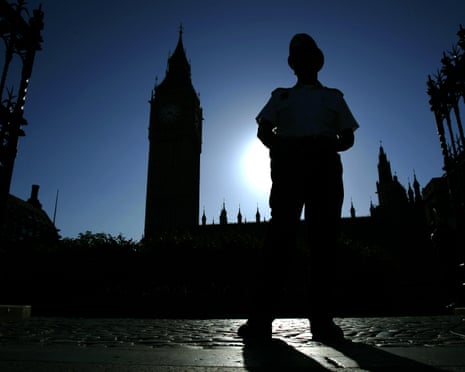 A police officer outside the Houses of Parliament, London. Photograph: Matt Dunham/AP
theguardian.com
A police officer outside the Houses of Parliament, London. Photograph: Matt Dunham/AP
theguardian.com
 Gaby Hinsliff
theguardian.com
Gaby Hinsliff
theguardian.com
Ann Widdecombe is killed in Britain, third politician slain in a decade raises security demands, Reform UK free-speech stance collides with calls for regulated platforms
Ann Widdecombe, a former Conservative MP and later a Reform UK spokesperson, has died after being killed, according to a Guardian column by Gaby Hinsliff. Widdecombe was 78 and had been living alone on Dartmoor in a retirement bungalow she called Widdecombe’s Rest, the Times reports are echoed in the Guardian’s account. Police have not publicly clarified a motive.
The death lands in a country where attacks on politicians have become a recurring event rather than an aberration. Hinsliff notes that Widdecombe’s killing is the third of a British politician in a decade, after Jo Cox was murdered during a polarising referendum campaign and David Amess was killed years later. Each previous case prompted public vows that politics would be toned down and that democracy itself was under attack; the practical legacy has been a steady expansion of security routines, from guarded constituency surgeries to the normalisation of police presence around Westminster.
This time, the immediate political reaction also points to a more transactional debate about protection. Keir Starmer and Kemi Badenoch offered solidarity with Nigel Farage, while senior Reform UK figures accused the authorities of failing to protect them. Richard Tice was quoted saying it felt “as though someone in the establishment wants us dead”. Farage, the Guardian reports, had been offered arrangements similar to Badenoch’s but rejected them, saying his own provisions were more comprehensive—an admission that security is already being privately purchased and customised by those with the means.
The argument then runs into Reform UK’s own platform. Hinsliff highlights the party’s commitment to unfettered free speech online and its opposition to regulating platforms that amplify and normalise hate, even as the online reaction to Widdecombe’s death included people openly glorifying it. In the same breath, the party promises that if elected it would provide round-the-clock protection for every MP at a cost of billions. That is a familiar pattern in modern politics: resist constraints on the channels that drive threats, then shift the bill for the consequences onto the public.
Hinsliff argues that policing alone cannot solve political violence, and the details she includes explain why. A country can deploy more officers and harden more buildings, but it cannot easily guard every public appearance, every train journey, every local meeting, or every home. The more politics becomes a permanent state of protection, the more it selects for politicians who can tolerate isolation, accept restricted movement, and treat public contact as a managed risk.
Widdecombe, who had lost friends in the Brighton hotel bombing that nearly killed Margaret Thatcher, once treated argument as part of the job and did not present herself as someone who needed shelter from it. She posed for photographs inside her retirement bungalow. Now a police officer stands outside the Houses of Parliament in London, and the motive for the latest killing is still unknown.