
Andy Burnham set to become UK Labour leader
Starmer exit after local election losses clears path to Downing Street, 379 MP nominations deliver power without a contest
Images
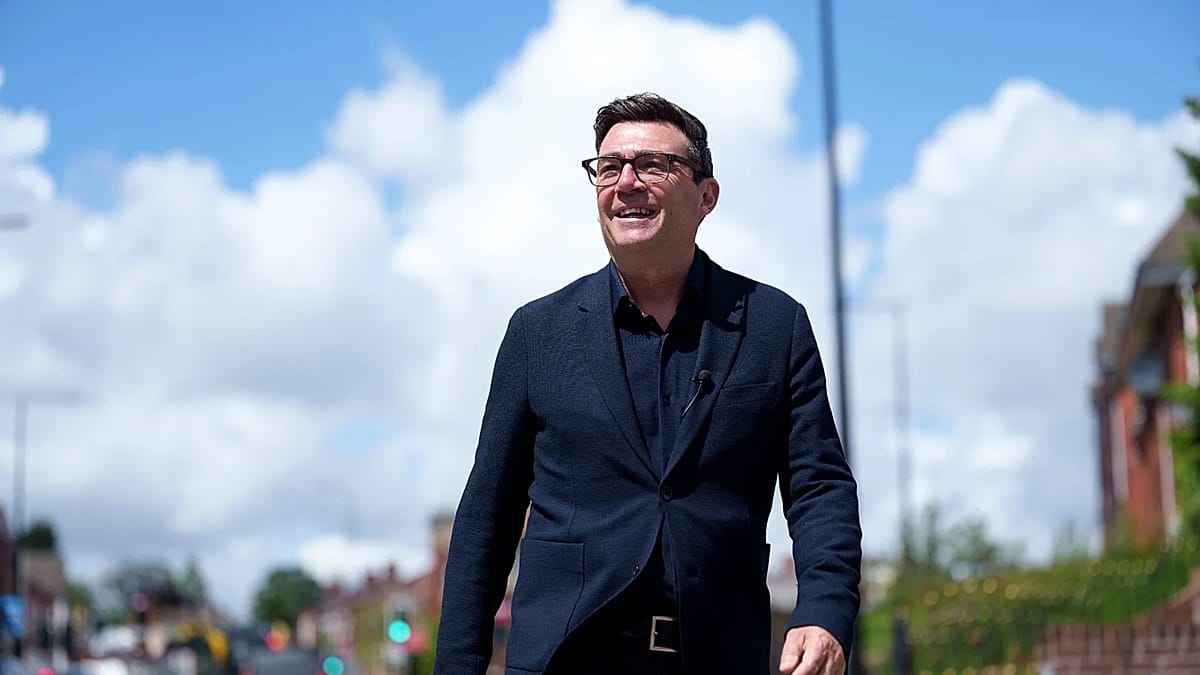 Andy Burnham set to become Labour leader before taking over as UK PM
euronews.com
Andy Burnham set to become Labour leader before taking over as UK PM
euronews.com
Andy Burnham is due to be announced as Labour’s new leader on Friday and is expected to take over as UK prime minister on Monday, according to Euronews. The party says Burnham secured 379 nominations from Labour MPs out of a possible 403, after his last potential rival ruled out a challenge. He is scheduled to be unveiled at a press conference, where Euronews reports he will pledge to be “unashamedly Labour” and promise “the courage to fix the big things that politics has neglected.”
Burnham’s rapid, uncontested ascent follows Keir Starmer’s decision to step down in June after Labour’s poor local election results in May, a reminder that leadership changes in Westminster can be driven as much by internal party arithmetic as by a general election. The nomination tally reported by Euronews signals a parliamentary party closing ranks early, limiting the kind of public contest that normally forces candidates to publish detailed fiscal plans and accept hostile questioning. That matters because Burnham is arriving with a defined brand from outside London: as mayor of Greater Manchester since 2017, he built a national profile defending the region during Covid-19 lockdown disputes and arguing that central government hoards power. Euronews says he has floated a “No. 10 North” and made devolution a central theme, which would shift some decisions away from Whitehall but also create new layers of authority and spending claims.
His policy pitch, as described by Euronews, points to a bigger state footprint rather than a smaller one. Burnham has talked about ending “trickle-down economics” and has proposed the biggest council house-building programme since the post-war period. Housing construction on that scale typically turns on planning rules, land acquisition, and long-term financing; it also creates a pipeline of contracts where delivery is hard to audit and delays can be blamed on everything from labour shortages to supply chains. The UK’s economic backdrop makes those promises harder to price: Britain is still wrestling with weak growth and strained public services, and any new programme competes with existing commitments that are already politically protected.
Europe sits in the background of Burnham’s positioning too. Euronews notes he previously called for the UK to rejoin the European Union, but softened his stance during the Makerfield campaign, saying Brexit has been damaging while arguing that rerunning the Brexit fight would be unwise. That shift tracks a wider pattern in British politics: leaders signal openness to closer ties, then narrow the offer once they are responsible for the trade-offs. Burnham’s return to Westminster via a by-election in June — defeating challengers from Reform UK and Restore Britain, Euronews reports — also shows how the post-Brexit party landscape is being fought on domestic competence as much as on Europe itself.
Burnham will deliver his leadership speech at a press conference on Friday, then enter Downing Street on Monday with a mandate built in a party room rather than a national campaign.