
UK charges 14-year-old over alleged plot against Sutton mosques
Prosecutors cite reconnaissance and weapon identification alongside online instructional material, youth court secrecy leaves communities with visible security costs
Images
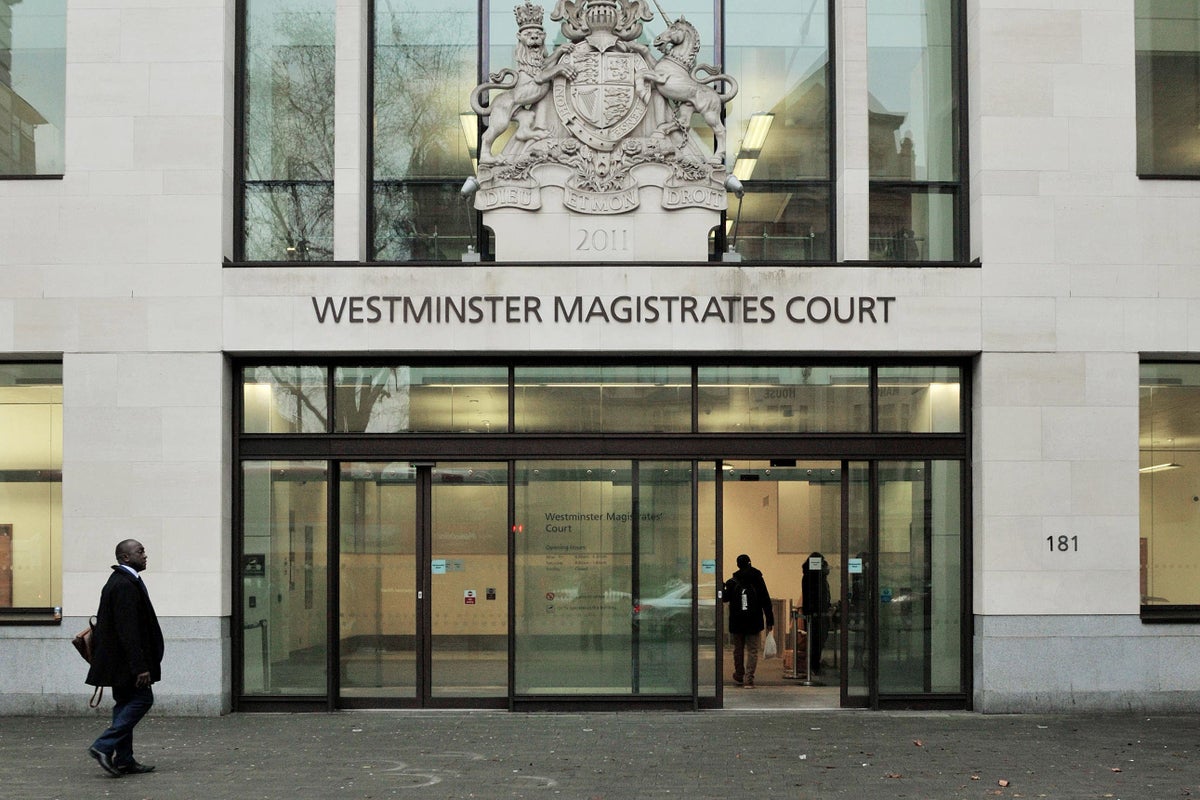 Boy, 14, denies planning terror attacks on two mosques
independent.co.uk
Boy, 14, denies planning terror attacks on two mosques
independent.co.uk
A 14-year-old boy appeared at Westminster Magistrates’ Court charged with preparing terrorist acts linked to an alleged plan to attack two mosques in Sutton, south London, according to The Independent. Prosecutors said the boy had identified targets, conducted reconnaissance, identified a weapon and collected instructional material, with the attacks allegedly planned for late August. He pleaded not guilty to the terrorism charge and to a second allegation of racially aggravated criminal damage involving a car window, and was remanded in youth detention.
The case lands in a familiar gap between headline security policy and the day-to-day mechanics of prevention. When a suspect is an adult, police can lean on established patterns: travel, networks, money flows, communications. With a child, the evidence often looks like a compressed checklist—targets, notes, instructions—assembled quickly enough to trigger intervention but early enough that intent, capability and supervision become the argument. British counter-terror policing has spent years building processes around online radicalisation referrals and school safeguarding, yet a prosecution still ends up testing what the state can prove in court rather than what it can spot on a platform.
It also exposes the practical trade-offs inside enforcement. A youth court cannot name the defendant, limiting public scrutiny of background and pathways while still forcing local communities to absorb the security response around places of worship. Police and prosecutors have to show sufficient detail to justify the seriousness of the charge, but not so much that they publish a how-to manual. The Independent reports the alleged plan included a separate scheme to cause criminal damage—“bricking” and slashing tyres—suggesting a mix of intimidation and violence rather than a single, coherent operational design.
For the public, the incentives run in opposite directions. After years of criticism that authorities miss early warning signs, there is pressure to act on preparatory behaviour before it becomes an attack. But acting early means the state is more likely to rely on inferences from online material and alleged reconnaissance, which raises the cost of error. The criminal process becomes the mechanism for drawing the line, with the defendant held in custody while the case moves to the Old Bailey.
The court heard the alleged mosque attacks were planned for 28 August. The boy’s next appearance is scheduled for late August, with the defendant still in youth detention.