
Uber agrees to buy Delivery Hero for $14.8bn
Deal combines Uber Eats with Foodpanda PedidosYa and talabat across 99 countries, 14-country carve-out sold to SSW Partners to pre-empt regulator pushback
Images
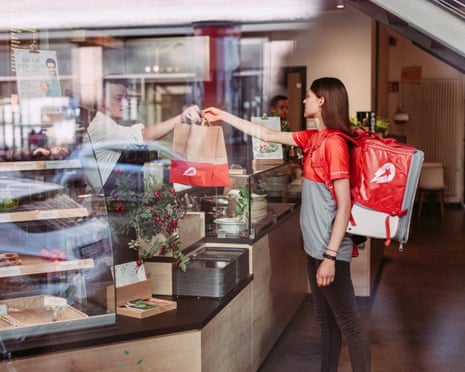 Uber said it would maintain Delivery Hero’s headquarters in Berlin and make no changes to its workforce until at least 2029. Photograph: Delivery Hero
theguardian.com
Uber said it would maintain Delivery Hero’s headquarters in Berlin and make no changes to its workforce until at least 2029. Photograph: Delivery Hero
theguardian.com
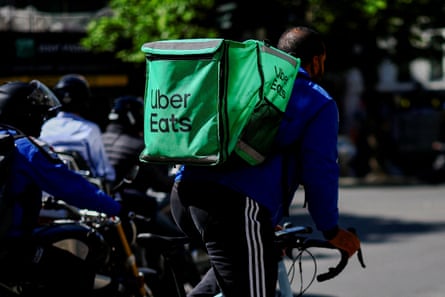 The deal will combine Uber Eats with Delivery Hero’s brands across 99 countries. Photograph: Sarah Meyssonnier/Reuters
theguardian.com
The deal will combine Uber Eats with Delivery Hero’s brands across 99 countries. Photograph: Sarah Meyssonnier/Reuters
theguardian.com
Uber agrees to buy Delivery Hero for $14.8bn, Uber Eats combines with Foodpanda and Talabat brands across 99 countries, a global delivery business grows by acquisition while workers wait for the fine print
Uber has agreed to acquire Germany’s Delivery Hero in a deal valued at $14.8bn, offering €41.50 per share and folding the group’s food delivery brands into Uber Eats, the Guardian reports. After accounting for Uber’s earlier purchases of about a quarter of Delivery Hero’s shares, including one in May, Uber expects to pay $13.7bn to complete the takeover. The combined platforms recorded $236bn in orders in 2025, according to the Guardian.
The structure of the deal shows where the pressure sits: competition regulators. Uber will not take over Delivery Hero operations in 14 countries where Uber already has a strong presence; those businesses—including Glovo in markets such as Spain and Portugal, foodora in Norway and Sweden, and Yemeksepeti in Turkey—are to be sold for $1.6bn to SSW Partners, a New York-based private equity firm. The carve-out is designed to avoid market dominance in places where the two networks already overlap, while still letting Uber absorb the rest of Delivery Hero’s footprint.
Delivery Hero brings brands that are regional defaults: Foodpanda in parts of Asia, PedidosYa in Latin America and talabat in the Middle East. Uber, meanwhile, has been trying to make its app a multi-purpose habit, arguing that customers who use both ride-hailing and food delivery spend three times more than those who use just one service, the Guardian notes. Scale is not only about more restaurants; it is about keeping users inside one account, one payment method, and one set of incentives.
The timing fits a broader post-pandemic reset. Food delivery expanded rapidly during coronavirus lockdowns, then spent the years after trying to cover fixed costs and win repeat orders in markets where consumers became more price-sensitive. The Guardian points to a wave of consolidation: DoorDash bought Britain’s Deliveroo last year, and Prosus acquired JustEat Takeaway. Delivery platforms have been seeking larger networks not because delivery became simpler, but because the business has struggled to make unit economics work without squeezing either restaurants, couriers, or customers.
Uber is offering assurances to smooth the path. It says Delivery Hero will keep its headquarters in Berlin and that there will be no workforce changes until at least 2029, and it pledged to invest €2bn in Germany over five years. The deal is expected to close in the second half of 2027, leaving a long runway for approvals, integration planning, and the quiet renegotiation of terms that do not show up in a press release.
Delivery Hero’s board and executives unanimously back the takeover and plan to recommend it to shareholders, the Guardian reports, with Prosus agreeing to sell its 17% stake to Uber. The delivery market’s next phase is being written in share registers and regulator filings, not in the apps’ marketing copy.