
US sets 25% tariffs on some Brazilian imports
Section 301 investigation cites unfair practices while exemptions protect key supply chains, trade surplus with Brazil does not stop the penalty
Images
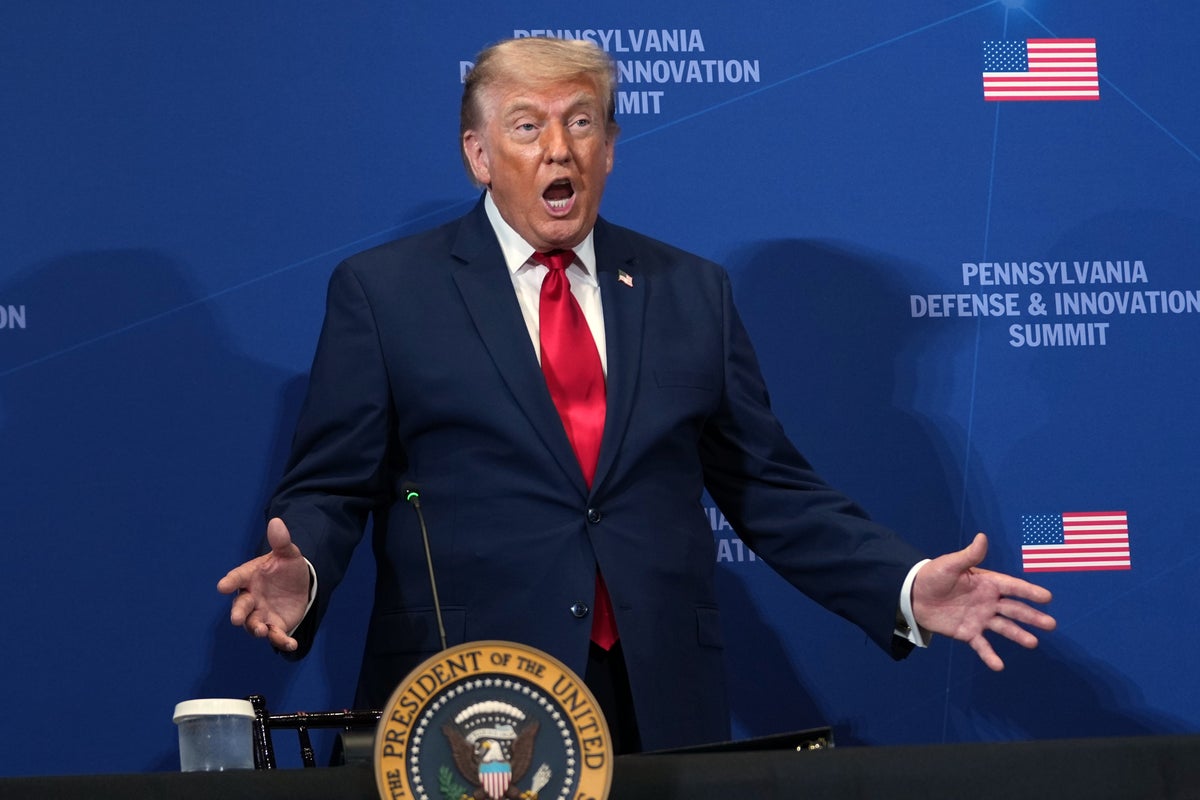 US imposing a 25% tariff on some Brazilian imports starting July 22, citing unfair trade practices
independent.co.uk
US imposing a 25% tariff on some Brazilian imports starting July 22, citing unfair trade practices
independent.co.uk
A 25% US tariff on some Brazilian imports is set to take effect on July 22, according to The Independent, after the Office of the US Trade Representative completed a yearlong investigation under Section 301 of the Trade Act of 1974. The administration says Brazil’s trade practices are unfair, while carving out exemptions for goods it says the United States does not produce or where disruptions would ripple through supply chains.
The exemptions listed by The Independent—covering items such as coffee, beef, oranges and orange juice, some oil and gas energy products, and aerospace parts and components—underline how modern tariff policy often arrives as a patchwork. The stated rationale is to punish a trading partner without punishing domestic buyers too quickly, but the mechanism still runs through the same chokepoint: importers pay first, and the cost is then negotiated across prices, margins, and wages. The Independent also notes that the US has run a goods trade surplus with Brazil for years, an awkward fit with an action framed as retaliation for trade imbalance. That mismatch shifts attention away from the trade ledger and toward the administrative process itself: a Section 301 finding can be used to justify penalties even when the headline economic grievance is not a deficit.
The political subtext is hard to avoid because it is already part of the public argument. Brazil’s President Luiz Inácio Lula da Silva previously reacted with indignation and blamed political considerations, pointing to Sen. Flávio Bolsonaro’s visit to Washington and his ties to former President Jair Bolsonaro, an ally of Donald Trump, The Independent reports. US officials deny political motives, saying grievances were aired for a long time and that only the last six weeks produced constructive meetings—followed by a judgment that progress was insufficient. In practice, the timeline described creates a familiar pattern: a long investigation establishes leverage, a short negotiating window tests compliance, and the tariff becomes the enforcement tool when talks stall.
The legal route matters too. The Independent points out that the US Supreme Court previously ruled against many tariffs imposed under a different authority, the International Emergency Economic Powers Act, after finding Trump overstepped. Section 301, by contrast, is built for trade disputes and has a longer paper trail, which makes the tariff easier to defend even when its economic logic is contested.
On July 22, the tariff schedule will start applying at US ports of entry, with exemptions carefully listed—an enforcement action that depends less on speeches than on customs codes.