
Japan overhauls intelligence services since World War II
New National Intelligence Council centralises data across ministries, external spy agency planned for 2027
Images
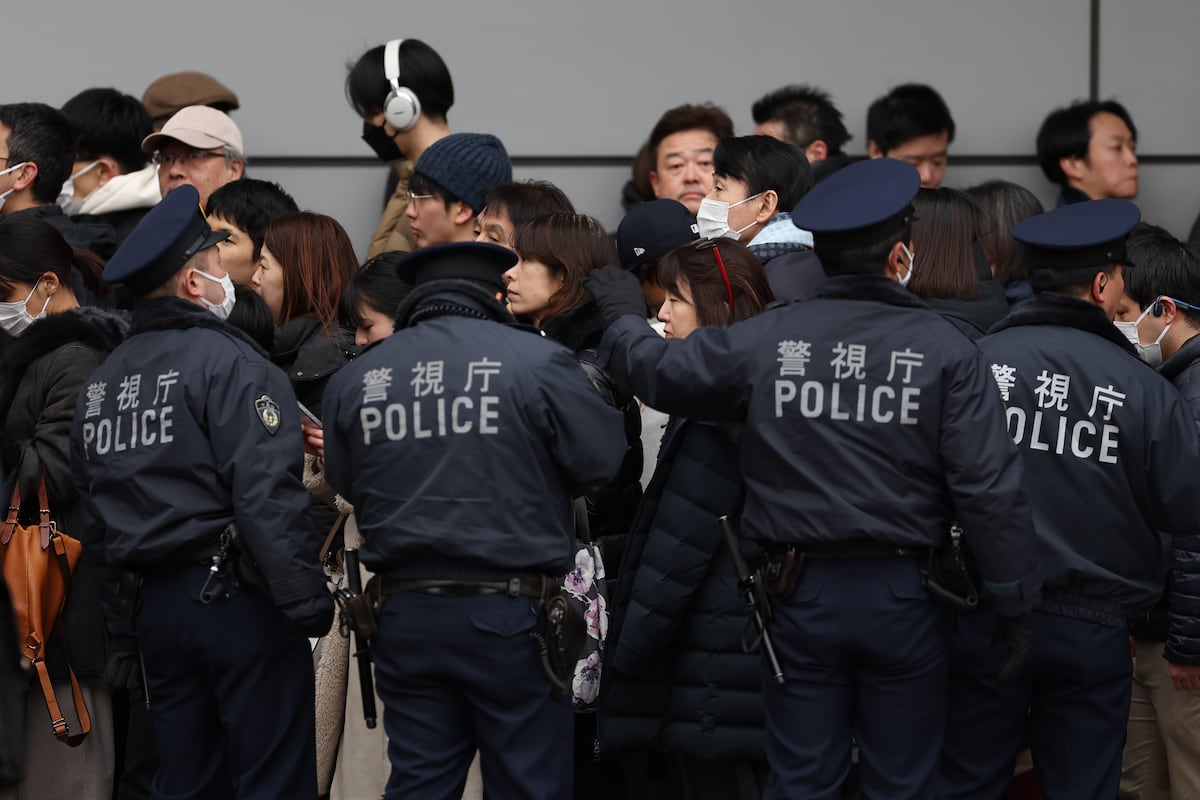 Japan embarks on largest reorganization of intelligence services since World War II
english.elpais.com
Japan embarks on largest reorganization of intelligence services since World War II
english.elpais.com
Japan is moving to unify intelligence scattered across ministries and security forces under a new National Intelligence Council, in what El País describes as the country’s largest intelligence reorganization since World War II. The reform, passed by parliament in May, is due to take effect in summer 2026 and will be chaired by Prime Minister Sanae Takaichi. A second step scheduled for 2027 would create an external intelligence agency, something Japan has not had since Allied forces dismantled its military apparatus after the war.
The change addresses a practical problem Japan’s own system created: agencies collected information, but had no legal obligation to share it. El País reports that fragmentation left Japanese diplomats reliant on intelligence from other countries during international crises and contributed to a reputation as a “spy paradise,” a label popularised after a former KGB officer testified to the U.S. Congress in 1979 about how easily secrets could be extracted in Japan. A researcher cited by El País says Japan has lacked legal authority for administrative interception that would help detect or prosecute foreign espionage before suspects leave the country.
The new structure is designed to pull police, public security services, and the foreign and defence ministries into a single pipeline: a National Intelligence Agency would collect and analyse information, then forward it to the council, which would set priorities and make policy decisions. That centralisation is also a political choice. Takaichi, who took office in October 2025, has made rearmament a core part of her agenda and has framed the reform as protection of national interests in what she calls the most severe and complex security environment since the postwar period.
El País points to Chinese espionage as one driver, describing Beijing as investing heavily in intelligence operations and using student covers to extract technological secrets from Japanese universities and laboratories. North Korea also remains part of the domestic political backdrop: Japan’s unresolved abductions case still shapes public expectations that the state should know more, sooner, and act on it. The article notes that families of abductees met U.S. President Donald Trump during his visit to Tokyo in October 2025 and asked him to intercede with Kim Jong-un.
Japan already hosts thousands of U.S. troops and has access to CIA intelligence under the 1960 Security Treaty. The new council will sit alongside that relationship, turning foreign-provided intelligence into a supplement rather than a substitute.
The reform’s first step is a council that can demand information Japanese agencies previously could keep to themselves. The second step is an external service—built decades after Japan learned to operate without one.