
Thames Water returns to profit
Bills jump while debt climbs toward £20bn, creditors wait for Burnham government stance
Images
 bbc.com
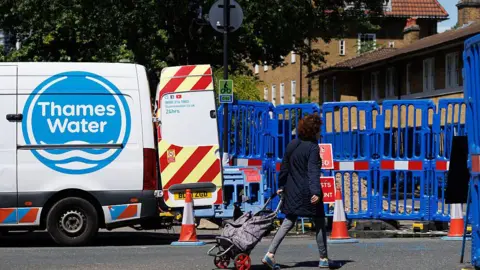 Getty Images The side of a Thames Water van with an open back door parked on a residential street next to a blue fence blocking off some work it is doing. A woman in the foreground with a blue coat, grey leggings, and a backpack on wheels walks past the scene.
bbc.com
Getty Images The side of a Thames Water van with an open back door parked on a residential street next to a blue fence blocking off some work it is doing. A woman in the foreground with a blue coat, grey leggings, and a backpack on wheels walks past the scene.
bbc.com
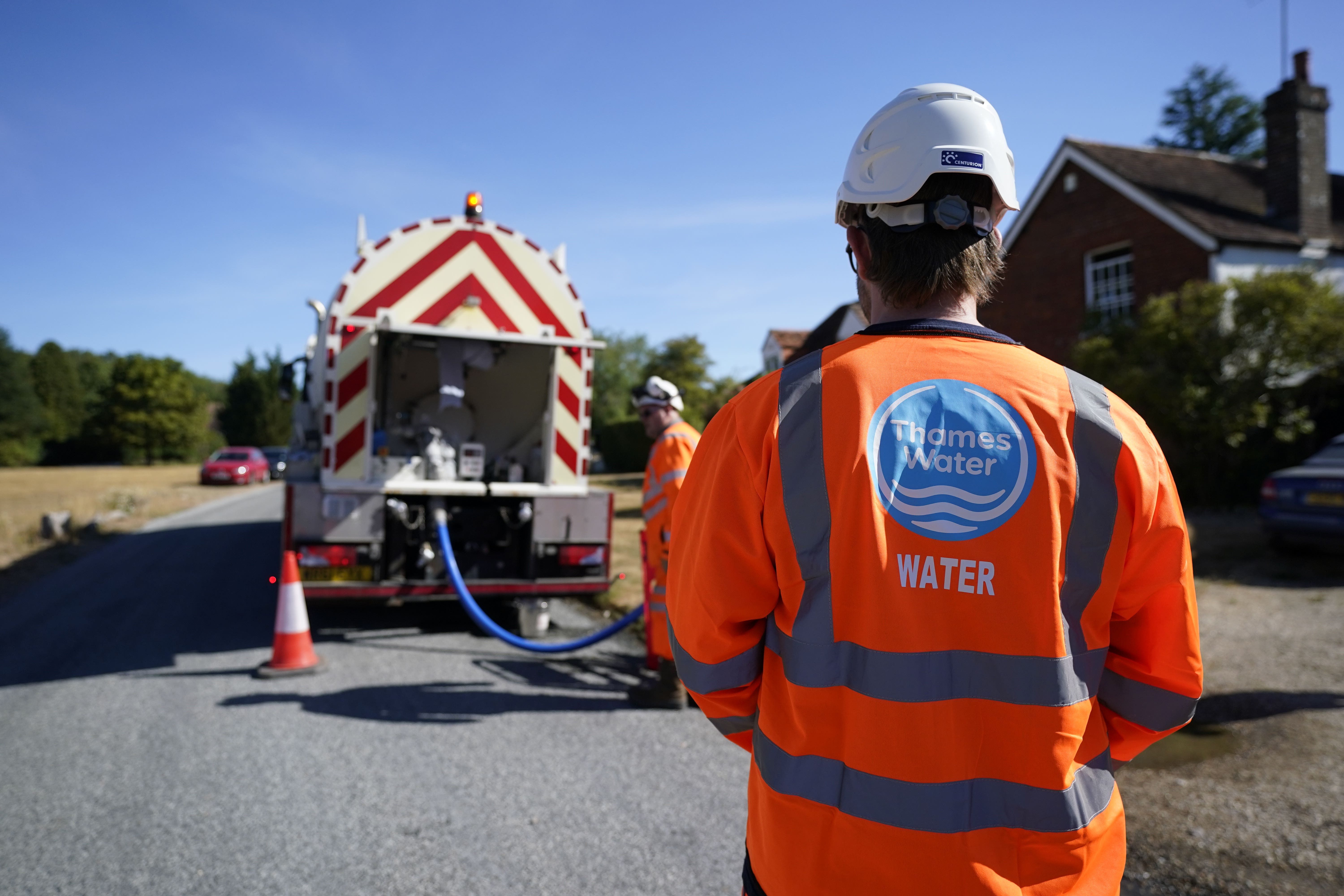 Troubled Thames Water has revealed it swung to an annual profit but saw its debt mountain balloon close to £20 billion (PA)
independent.co.uk
Troubled Thames Water has revealed it swung to an annual profit but saw its debt mountain balloon close to £20 billion (PA)
independent.co.uk
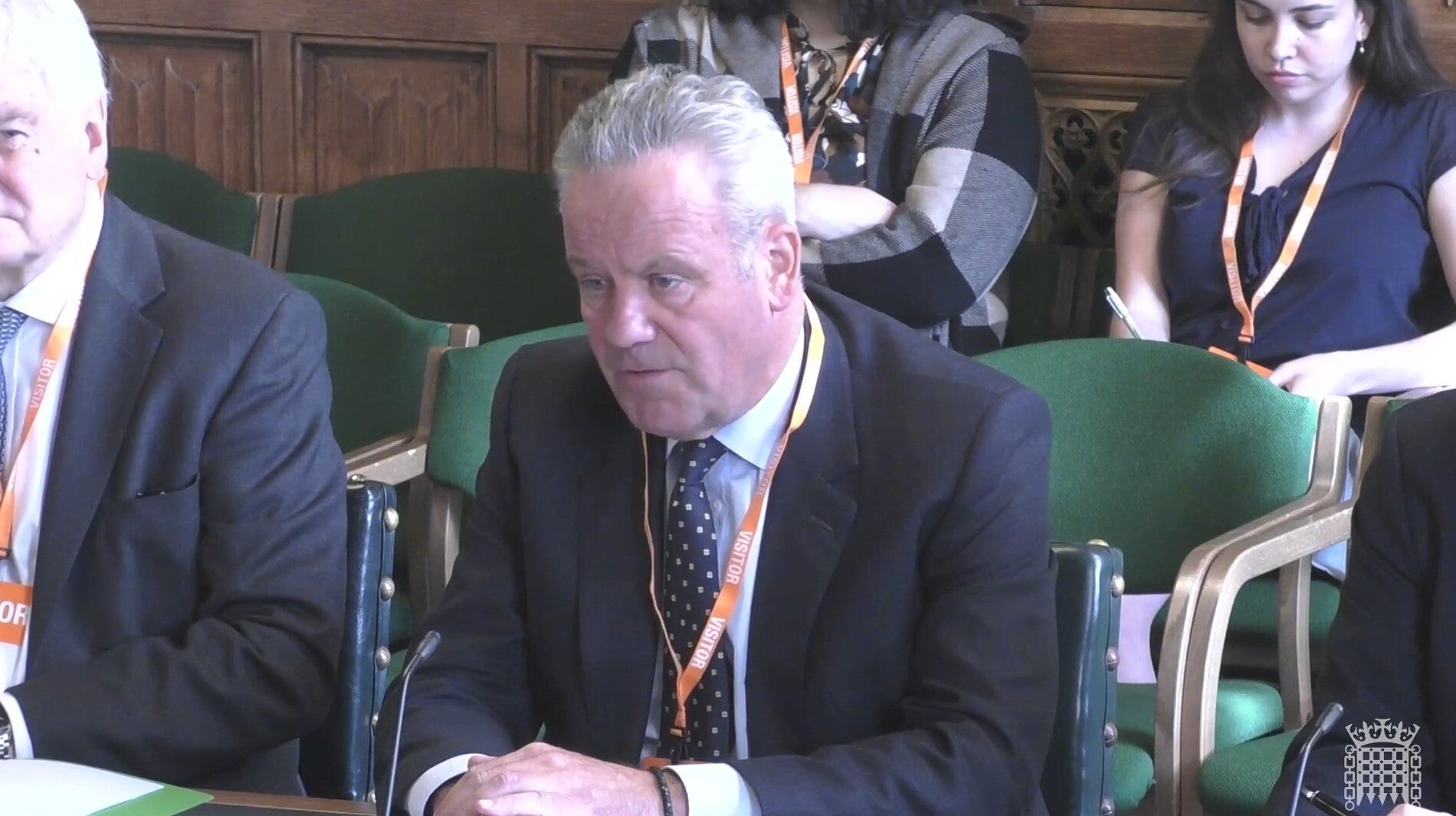 Thames Water chief executive Chris Weston said the group has funding until October (House of Commons/UK Parliament)
House of Commons/UK Parliament
Thames Water chief executive Chris Weston said the group has funding until October (House of Commons/UK Parliament)
House of Commons/UK Parliament
Thames Water reported a return to full-year profit after raising customer bills by 40% last year, posting post-tax income of £113 million for the 12 months to March 31, 2024, according to the BBC. The company’s net debt rose to £18.5 billion from £16.8 billion over the same period. Management says it has enough debt funding to keep operating through to the fourth quarter of 2026.
The numbers underline how the business now runs: higher bills stabilise cash flow, while borrowing remains the main bridge to the investment programme regulators and politicians say must happen. Thames Water told investors that bills alone are not enough to fund required infrastructure upgrades, meaning the company must keep drawing on debt and seek a recapitalisation deal. The BBC reports that a proposed rescue arrangement was rejected by the UK government in June 2024; it would have involved lenders writing off £9.4 billion of debt and investing new money in exchange for leniency on future pollution fines.
Operational performance has improved on paper but remains uneven. Thames Water said pollution incidents fell by 18%, and it met just over half of its performance targets. Yet customer complaints rose sharply: the BBC reports complaints increased by 77% in a year, with more than three quarters related to bills — a sign that the price rises meant to shore up the business are themselves becoming a source of regulatory and political risk.
The company’s funding position is now tied to politics as much as to engineering. Chief executive Chris Weston told investors they want to see the stance of the incoming Burnham government before providing more funding, according to the BBC. Andy Burnham has previously called for Thames Water to be nationalised, and the prospect of a shift in ownership model changes how creditors price the risk of lending more, even if the pipes still need replacing either way.
Thames Water’s accounts show a company that can report a profit while still adding to its debt pile to keep the system running. It is profitable, it is leveraged, and it is waiting for a new prime minister to decide what kind of industry it will be allowed to become.